How automation, security and customer expectations are reshaping the modern forecourt.
By Cheryl Ashton, Marketing Coordinator, TSG UK
As pressures continue to build across the fuel retail sector, forecourt operators are reassessing how their sites function, how costs are controlled and how customer expectations can be met without compromising safety or service. Against this backdrop, Outdoor Payment Terminals (OPTs) have become one of the most significant enablers of modern forecourt operations. What was once viewed as a useful add‑on is now a strategic asset, helping retailers improve efficiency, reduce risk and future‑proof their business as the energy landscape continues to evolve.
Several core drivers sit behind this shift, each influencing why more forecourts across the UK are choosing pay‑at‑pump technology as part of their long‑term operational strategy.
Rising operational costs are driving smarter investment
Operating a forecourt is more expensive than ever. Energy costs, staffing, insurance, compliance obligations and financial losses all place increasing pressure on retailers’ margins. For many operators, the challenge is to reduce ongoing expenditure without negatively affecting service.
An OPT is a one‑off investment that delivers sustained commercial benefits. Much like self‑checkout technology in retail, pay‑at‑pump reduces the reliance on staffed transactions. It supports more efficient resourcing, particularly during quieter periods, and reduces the need for overnight staffing on sites that choose to operate around the clock. For smaller independents, this can make extended trading hours commercially viable for the first time.
Crucially, pre‑payment at the pump eliminates drive-offs. With the British Oil Security Syndicate (BOSS) reporting that unpaid fuel has cost retailers close to £100 million annually at current prices, removing this loss alone represents a major financial gain for operators. For many retailers, this is one of the most compelling reasons to move towards an unmanned or semi‑unmanned model.
Customer expectations are changing
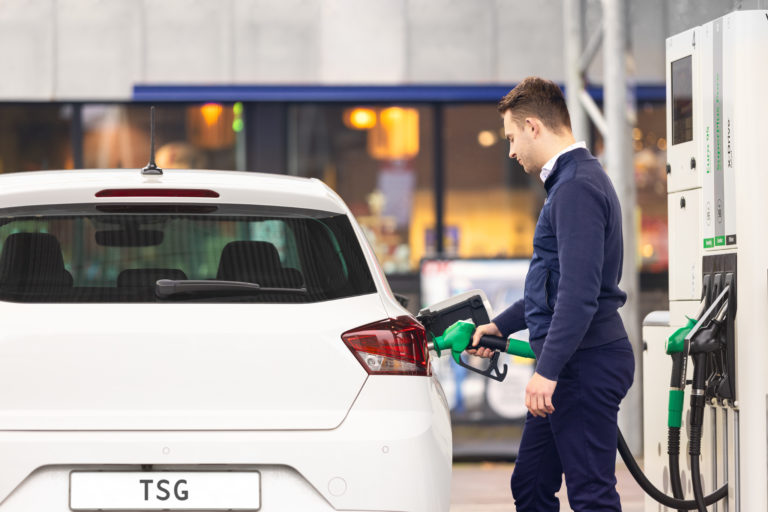
Today’s drivers expect convenience, speed and a seamless experience. As consumers become more accustomed to frictionless transactions in other sectors, the forecourt is no exception. Many simply want to refuel, pay and leave, without joining a queue inside the store.
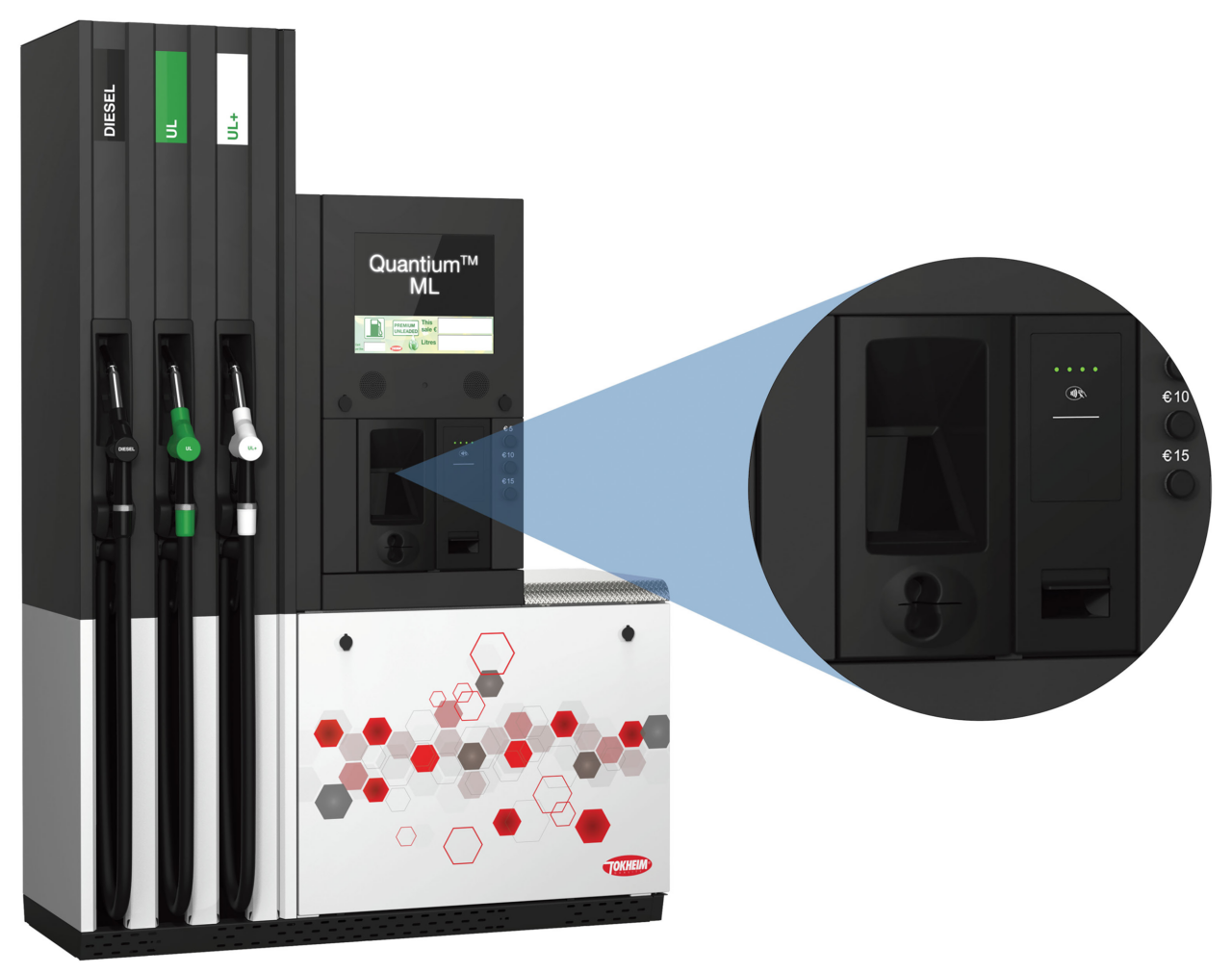
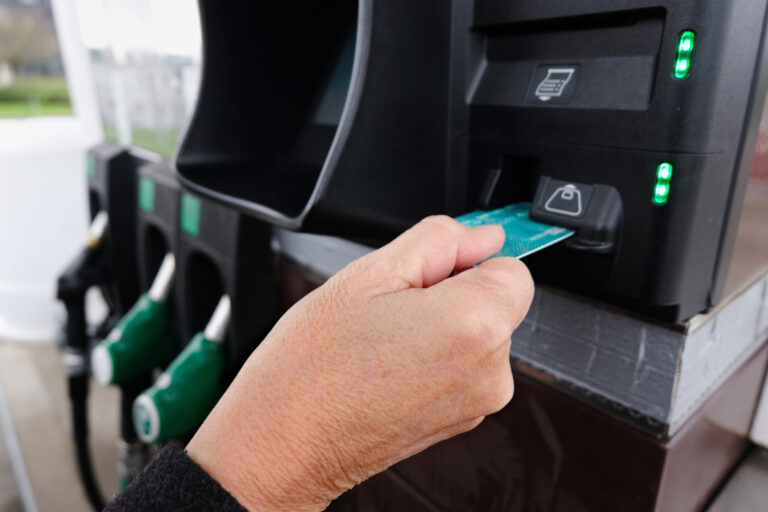
An OPT provides exactly that. Modern touchscreen technology guides customers through the process clearly and quickly, using the same intuitive formats found on smartphones. With support for credit, debit and fuel cards, as well as newer payment methods such as contactless and smartphone Near Field Communication (NFC), the process is familiar and easy for every user.
For forecourts, this shift in behaviour brings a further benefit. When customers pay at the pump, queues inside the shop ease, giving genuine convenience shoppers more time and space to browse, increasing basket value and improving their overall experience
Safe, secure and compliant payment technology
Payment security is essential for every forecourt. One breach can cause irreparable reputational damage and undermine trust in the site. Manual monitoring and traditional rule‑based fraud prevention are no longer sufficient in a landscape of high‑speed, high‑volume digital transactions.
The latest generation of OPTs, such as the Tokheim Crypto VGA, meet stringent PCI DSS requirements, which govern how cardholder data must be protected. These standards are reviewed and updated frequently to counter evolving fraud techniques, ensuring forecourts maintain robust compliance.
Advanced anti‑skimming and anti‑tamper mechanisms further strengthen security on the forecourt, while optional barcode modules allow retailers to validate vouchers, credit notes and loyalty applications with confidence. This combination of secure hardware and intelligent software creates a payment environment that is safer than traditional kiosk‑based systems.
The gateway to unmanned or low‑staffed operation
The shift toward unmanned operations is one of the most talked-about trends in energy retail. Although it is not suitable for every location, many forecourt owners are considering this model to boost profitability without increasing staffing costs.
For sites that currently close overnight, operating 24 hours becomes possible with an OPT and the right safety measures in place. This can significantly increase fuel sales, particularly in areas with nighttime traffic such as motorways, transport routes and urban fringe locations.
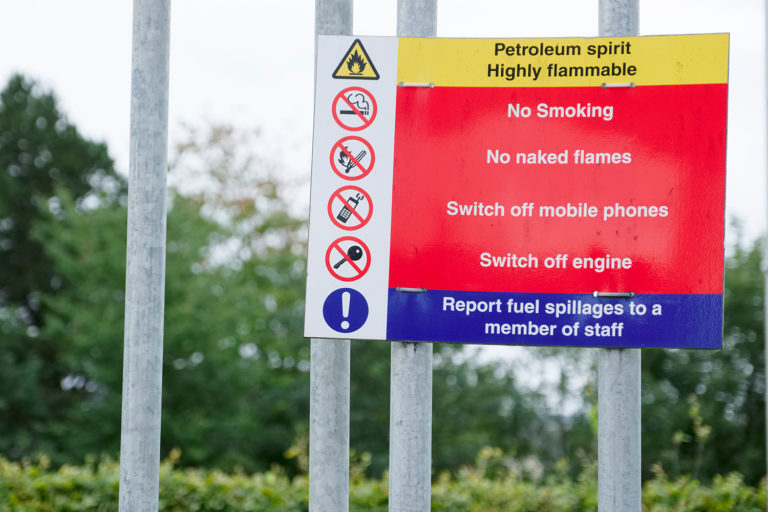
At the same time, the industry recognises that forecourts have inherent hazards, and retailers must comply with the Petroleum (Consolidation) Regulations 2014. Remote monitoring, safety signage, fire extinguishers and spill control materials are all part of maintaining a safe unmanned environment. Combined with pre‑payment technology, these safeguards allow retailers to operate confidently and in line with regulatory expectations.
Flexibility for every site layout and budget
Forecourts vary widely in size, complexity and customer profile. OPT technology allows retailers to take a tailored approach, whether they operate a single independent site or a large multi‑site network.
An OPT can be installed on a fast lane only, rolled out across the full forecourt or mounted on a pod to serve multiple pumps from a single device. This flexibility is particularly helpful for smaller sites that want to modernise gradually or manage investment in phases.
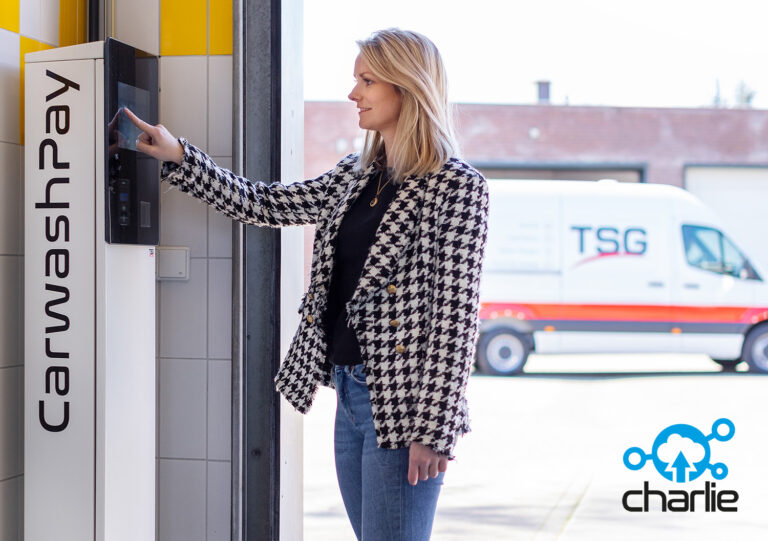
In addition, modern OPTs offer far more than fuel payment. With options for car wash purchases, top‑ups, vouchers and promotional campaigns, retailers gain a direct interface with their customers and an additional touchpoint for revenue growth.
Supporting the forecourt of the future
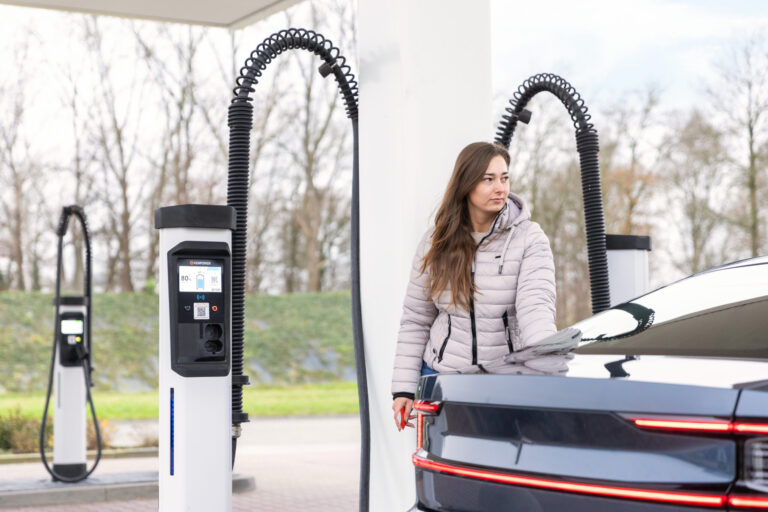
As forecourts evolve to accommodate multiple energy sources, from electricity and biofuels to future fuels such as hydrogen, operational complexity will increase. Payment systems need to adapt to this diversification without creating friction for customers.
OPTs offer a consistent payment experience across different energy types and can be integrated into a wider digital infrastructure that supports smart charging, loyalty, promotions and data insights. As the energy mix continues to broaden, this consistency will play an important role in maintaining customer trust and keeping the refuelling process simple.

A strategic investment in efficiency, safety and customer experience
The move to OPT technology is not a temporary trend. It reflects the broader shift in retail towards automation, efficiency and customer choice. For forecourt operators, the benefits are clear: reduced losses, improved safety, lower operating costs, increased convenience and future‑ready capability.
As the sector continues to progress, pay‑at‑pump systems will form a central part of the modern forecourt, helping retailers run leaner operations while offering a better experience for every customer who stops to refuel.
TSG is here to help
Choosing the right payment solution can feel complex. TSG helps forecourt operators cut through the options, simplify the decision and implement the right set‑up for each site. With more than 30 years’ experience supporting single‑site independents and national networks, TSG delivers secure, compliant and customer‑friendly payment systems that work in the real world.
TSG offers a wide range of OPT configurations, including standalone units, dispenser‑integrated terminals, fast‑lane installations and pod‑mounted options that can serve multiple pumps. Each solution is tailored to the site layout, budget and long‑term plans.
If you are exploring pay‑at‑pump for the first time or expanding to 24‑hour operation, TSG can help you build the business case, design the right configuration and deploy with confidence.