How Businesses Are Redefining Energy for a New Era
By Cheryl Ashton, Marketing Coordinator, TSG UK
Every industrial revolution has been defined by the way society harnesses energy. Coal fuelled the age of steam, transforming manufacturing, transport and economic growth on a scale never seen before. Oil followed, accelerating global mobility and helping to build the interconnected world we know today. Electricity then reshaped industry once again, powering businesses, homes and critical infrastructure while becoming one of the most important foundations of modern life.
Today, another transformation is underway. Unlike previous energy revolutions, this one is not being driven by a single technology or fuel source. Instead, it is emerging through a combination of renewable generation, energy storage, intelligent infrastructure and alternative fuels, all working together to address one of the defining challenges of our time: how to create a more sustainable future without compromising economic growth, operational resilience or quality of life.
Across the UK, organisations are rethinking how they consume energy, operate their fleets and strengthen their competitive position. Sustainability has become an integral part of decision-making, influencing strategic priorities and raising expectations among customers, employees and investors. The focus has shifted from whether change is necessary to how quickly businesses can adapt to an increasingly complex and rapidly evolving landscape.
A combination of economic, regulatory and technological factors is accelerating this transformation. Faced with rising costs, increasing scrutiny and a more complex operating environment, businesses are focusing on strategies that create lasting value rather than short-term fixes. At the same time, advances in renewable energy, digital technologies and smarter energy management are opening new possibilities, enabling organisations to rethink what can be achieved in the pursuit of sustainability.
For many businesses, the issue involves much more than reducing carbon emissions. It is about building confidence in an unpredictable environment while creating a stronger foundation for future growth. Sustainability is now closely linked to organisational performance, influencing everything from energy management and operational continuity to customer trust and commercial success.
Success in this new era will depend on more than just ambitious targets. Organisations will need practical solutions and a forward-looking mindset, supported by technologies that work together in a connected energy ecosystem. Whether generating renewable electricity, storing energy, supporting cleaner transport or strengthening infrastructure, each innovation contributes to the transition towards a more sustainable future. Rather than being shaped by a single breakthrough, the future will be defined by the successful integration of complementary solutions.
The organisations that thrive will be those that recognise sustainability not as an obligation but as an opportunity to develop new ways of working, improve business performance and create greater value than financial performance alone. With the transition already underway, businesses are now determining the role they want to play in the next chapter of industry, energy and sustainability.
From Corporate Aspiration to Business Necessity
For much of the last two decades, sustainability was often viewed as a desirable addition to business strategy rather than a fundamental requirement. Environmental initiatives sat alongside other corporate objectives, demonstrating good intentions while rarely influencing core operational decisions. Today, that position has changed dramatically.

Sustainability Moves to the Boardroom
Sustainability now sits at the heart of business decision-making, with organisations recognising its influence on commercial performance, customer expectations and continuing success. Investors, customers, employees and regulators are demanding greater accountability, while supply chains are becoming more selective about the organisations they choose to work with. As a result, sustainability is judged not by statements of intent alone but by action, transparency and demonstrable progress. This reflects a growing recognition that responsible business practices and commercial performance are not opposing priorities. In fact, they are becoming closely interconnected. Organisations that reduce waste, improve energy efficiency and strengthen their sustainability credentials are often better positioned to manage costs, protect themselves from market volatility and enhance long-term resilience.
At the same time, environmental legislation continues to influence how organisations operate. The expansion of Clean Air Zones, tighter emissions standards and more detailed reporting requirements are encouraging businesses to examine every aspect of their operations, from vehicle fleets and energy consumption to procurement and infrastructure planning. While compliance remains important, leading organisations are looking beyond regulatory requirements and viewing sustainability as an opportunity to create meaningful value.

The Growing Importance of ESG
Environmental, Social and Governance (ESG) considerations have played a significant role in accelerating this transition. Once regarded primarily as an investor concern, ESG now influences decision-making throughout entire organisations. Customers want to engage with responsible brands. Employees increasingly seek employers whose values align with their own. Financial institutions are paying closer attention to sustainability performance when assessing risk and investment potential.
This growing focus on accountability has led businesses to prioritise transparency. Voluntary disclosures, sustainability reporting and science-based targets are now widely available, as organisations strive to demonstrate their commitment to responsible growth. Rather than simply announcing ambitions, businesses are expected to provide evidence of progress and explain how they intend to achieve their objectives.

Turning Ambition into Action
For TSG UK Solutions Ltd (TSG), this transformation mirrors changes taking place across the energy sector. Sustainability is no longer viewed as a standalone initiative but as a principle that influences investment decisions, operational priorities and long-term strategic planning. Through its commitment to international frameworks, environmental reporting, and science-based emissions-reduction targets, the company recognises that meaningful progress requires both ambition and accountability.
Fortunately, the technologies and expertise needed to support that transition are becoming more accessible. From renewable energy generation and battery storage to electric mobility and alternative fuels, businesses have more options than ever before. The key question now is how these solutions can be combined effectively to deliver meaningful business and ecological benefits.
This is where the conversation begins to move from policy and targets towards something far more practical: the way energy itself is generated, stored and managed. As organisations seek greater certainty around costs, energy security and environmental performance, renewable energy is rapidly becoming one of the most powerful tools available to them.
Reinventing the Way Energy is Generated
The Rise of Energy Independence
Energy has become one of the most important tactical considerations facing organisations today. For decades, most businesses existed as passive consumers, drawing power from the grid with little visibility of where that energy originated or how it was generated. Rising costs, increasing demand and growing awareness of environmental issues are changing that relationship.
A growing number of organisations are moving away from the traditional model of simply purchasing electricity. Instead, they are exploring ways to generate, store and manage their own energy, creating a level of control that was once available only to major utilities. This evolution is transforming energy from an operational expense into a strategic asset that supports resilience, reduces costs and advances sustainability objectives.

Solar as a Strategic Asset
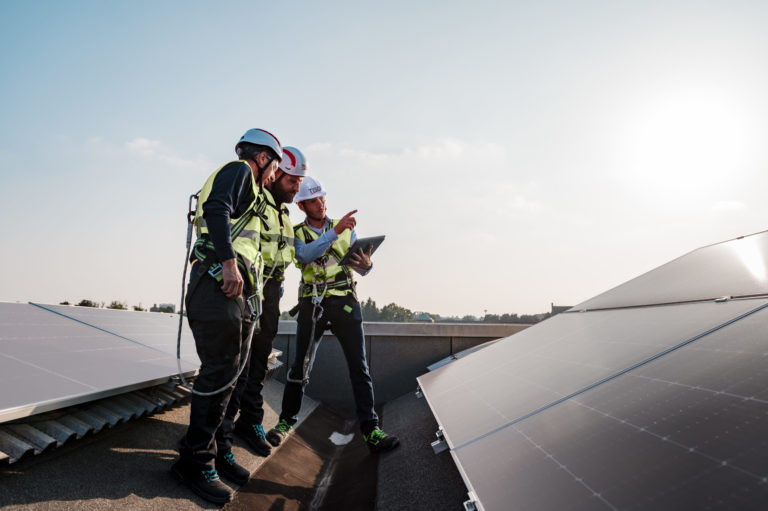
Once perceived as a niche technology adopted primarily by environmentally conscious organisations, solar photovoltaic (PV) systems have become an attractive option for businesses demanding greater energy independence and long-term financial stability. Improvements in panel efficiency, declining installation costs and growing pressure to reduce emissions have all contributed to the emergence of solar as a cornerstone of modern energy strategies.
The appeal offers far more than emissions reduction alone. Solar allows organisations to generate electricity directly from an abundant renewable resource, reducing reliance on conventional power sources and protecting themselves from fluctuations in energy markets. By producing electricity on site, businesses can lower operational costs while improving the predictability of their future energy expenditure, creating a valuable degree of certainty in an increasingly volatile market.

More Than Renewable Electricity
Perhaps most importantly, solar provides visible evidence of a company’s commitment to sustainable growth. Customers, investors and employees expect organisations to demonstrate responsible business practices through measurable action rather than simply communicate good intentions. Solar installations provide a tangible representation of that commitment while simultaneously delivering practical commercial benefits.
This growing emphasis on accountability is closely linked to the evolution of Environmental, Social and Governance (ESG) reporting. As sustainability disclosures become more detailed and stakeholder expectations continue to rise, businesses require reliable, measurable data that demonstrates genuine progress. Solar generation contributes directly to this objective by providing clear evidence of reduced reliance on higher-carbon electricity sources and supporting broader decarbonisation strategies.
Its value is not limited to emissions reduction. Investment in renewable energy can strengthen relationships with customers, enhance corporate reputation and improve employee engagement. People want to work for organisations that align with their values, and visible commitments to sustainability often play an important role in attracting and retaining talent.
Yet despite its many advantages, solar alone is not enough to meet the demands of a modern economy. Renewable generation is most effective when combined with technologies that address one of the industry’s most persistent obstacles: ensuring energy is available precisely when it is needed.
Storing Energy for a More Resilient Future
Why Storage Matters
The rapid growth of renewable energy has brought a fundamental question into sharper focus. What happens when electricity is generated during periods of low demand, or when energy is required after the sun has set?
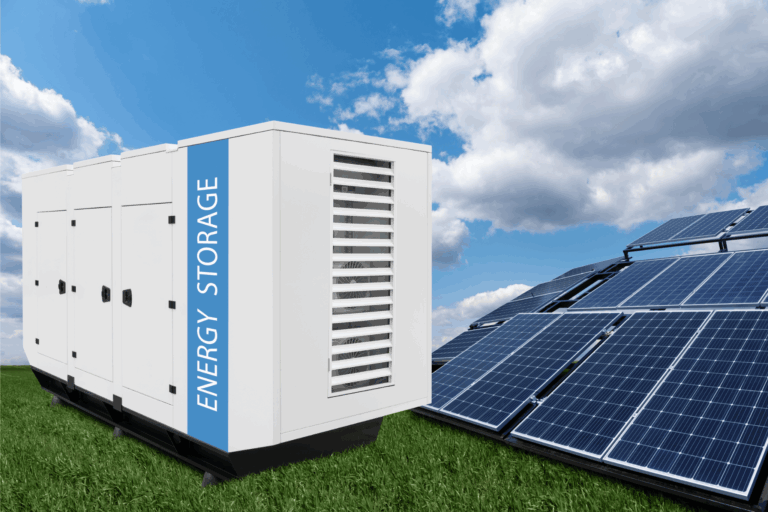
The answer lies in battery energy storage systems (BESS), which are becoming one of the most influential technologies supporting the energy transition. While solar generation often receives much of the attention, battery storage plays an equally important role by helping organisations maximise the value of every kilowatt-hour they produce.
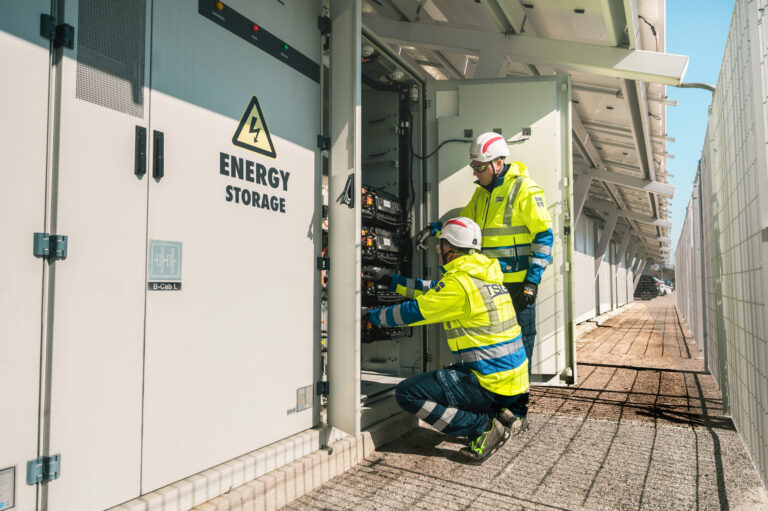
Battery storage enables excess renewable energy to be captured and retained for later use, creating greater flexibility and reducing dependence on the grid. Electricity generated during periods of high solar output can be stored and discharged when demand increases, helping businesses optimise energy consumption and improve resilience to supply interruptions and price volatility.
This capability is becoming increasingly valuable as organisations look to take a more active role in shaping their energy strategies. Rather than relying exclusively on external supply, businesses can develop systems that generate, store and utilise electricity in a much more efficient and predictable way. The result is a more balanced energy management model that supports both financial and sustainability objectives.
Unlocking the Value of Renewable Generation
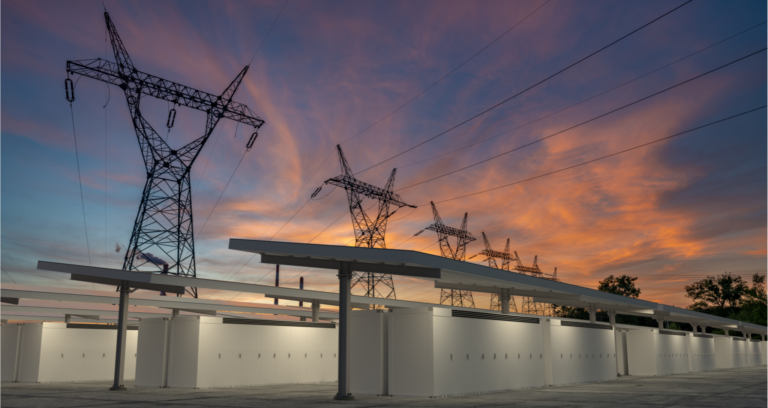
Battery storage offers more than a means of supporting renewable energy. It also delivers a range of commercial benefits, including reduced peak-demand charges, improved energy efficiency and participation in grid-balancing services. In many cases, businesses are discovering that battery systems can unlock additional revenue streams, strengthening the overall business case for investment.
When linked with solar generation, the benefits become even more pronounced. Together, these technologies create a foundation for greater energy independence, allowing organisations to make better use of renewable electricity while reducing exposure to market fluctuations. What emerges is not simply a renewable energy system, but a more intelligent and resilient framework for energy management.
This principle of integration is becoming central to every sector of the economy. Sustainable energy solutions deliver the greatest value when they are viewed not as individual technologies but as part of an integrated ecosystem, with each component supporting the performance of the whole.
Building Smarter Energy Systems
For organisations seeking to strengthen resilience, improve sustainability performance and achieve greater predictability in energy expenditure, solar generation and battery storage represent a significant step forward. Their growing adoption reflects a significant change in perspective, with energy now recognised as a strategic resource that influences competitiveness, operational continuity and long-term growth.
As more organisations embrace renewable generation and energy storage, another consideration quickly emerges. Producing and storing clean energy is only part of the solution. For that energy to power businesses, communities, transport networks and industrial facilities, the underlying infrastructure must be capable of supporting an increasingly electrified world.
It is here that the conversation moves from generation to distribution, revealing the critical role that power networks, grid connectivity and electrical infrastructure will play in enabling the next phase of the energy transition.
Building the Infrastructure Behind the Transition
The Growing Demand for Power
As organisations embrace electrification, renewable generation and digital technologies, demand for electricity is increasing at an unprecedented rate. From fleet depots and manufacturing facilities to data centres and commercial developments, businesses are becoming more reliant on electricity than ever before. At the same time, many are introducing technologies such as electric vehicle (EV) charging infrastructure, battery energy storage and solar generation, all of which place additional demands on existing networks.
This creates a paradox at the heart of the energy transition. While businesses are becoming more capable of generating and managing their own energy, they remain dependent on the electrical infrastructure that connects them to the grid. The success of the transition therefore depends not only on renewable technologies themselves but also on the networks that support them.
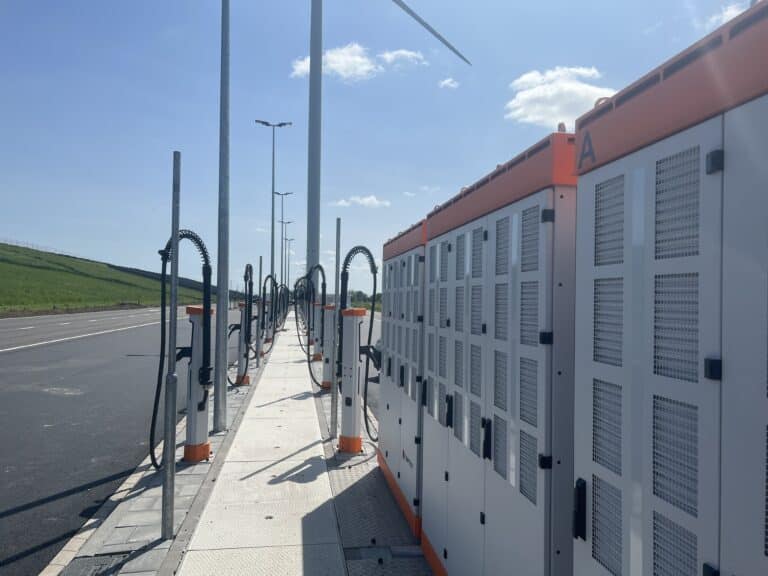
For many organisations, this reality becomes apparent the moment they begin exploring large-scale sustainability initiatives. An EV charging hub may require significantly more power than a site was originally designed to accommodate. A new manufacturing facility may need a dedicated high-voltage connection. A battery storage system may require complex integration with existing infrastructure. In each case, access to sufficient network capacity can become a decisive factor in determining how quickly a project can progress.
As a result, conversations about sustainability are evolving into conversations about power. The focus is shifting from simply reducing emissions to understanding how businesses can access, manage and distribute the electricity required to support long-term growth.
High-Voltage Infrastructure: The Hidden Foundation
Large-scale energy projects often attract attention for the technologies they showcase. Solar panels, battery systems and EV chargers are highly visible symbols of change. Yet behind each of these innovations lies a layer of infrastructure that is rarely seen but essential.
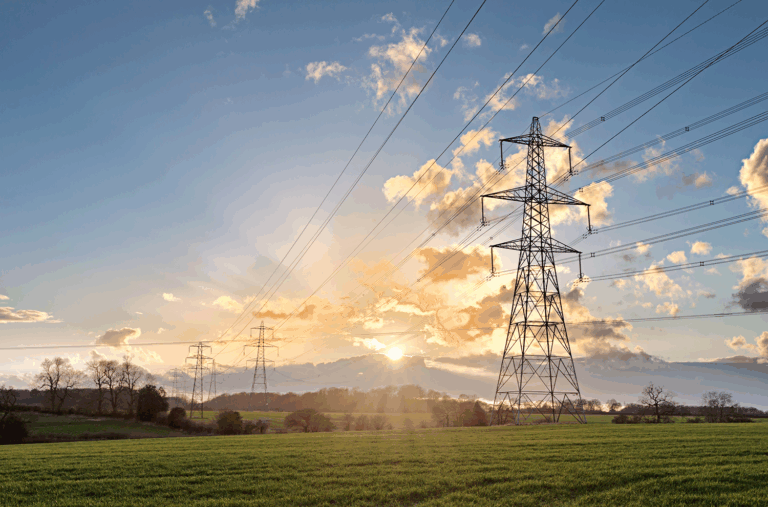
High-voltage (HV) and low-voltage (LV) electrical networks form the backbone of modern industry, enabling electricity to be transmitted efficiently from the grid to the businesses, facilities and communities that depend upon it. Without these networks, renewable generation cannot be integrated effectively, charging infrastructure cannot operate at scale and many sustainability ambitions remain firmly out of reach.
The importance of electrical infrastructure is becoming increasingly evident as the UK moves towards a more decentralised energy landscape. Historically, electricity flowed in a relatively straightforward direction, from large power stations to consumers. Today’s energy system is very different. Businesses are evolving from consumers of electricity into active participants within the energy system.
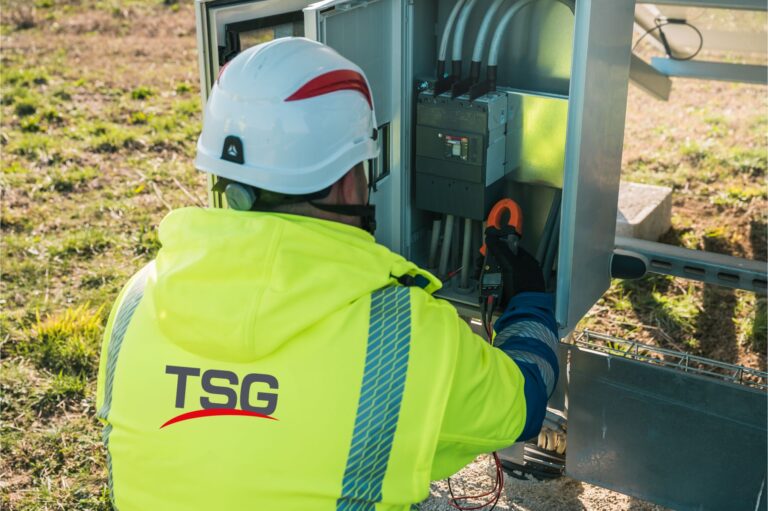
This evolution requires a more sophisticated infrastructure design. Grid connections must accommodate fluctuating demand, support renewable energy generation and provide sufficient capacity for future growth. The role of electrical networks is evolving from simple power delivery to an integral part of a more dynamic and interconnected energy framework.
For organisations investing in sustainability initiatives, it is often this unseen infrastructure that determines whether a project succeeds, stalls or moves from the planning stage into delivery. Access to reliable power has become one of the most important considerations in long-term business planning, influencing everything from site selection and expansion plans to fleet electrification and renewable energy investments.
Recognising these changing requirements, companies such as TSG Powertek and TSG Power UK, both part of the TSG UK Group, are helping organisations navigate a more complex energy landscape by delivering the infrastructure required to support modern, electrified operations. With high-voltage and low-voltage systems designed, installed, and maintained, businesses can access the capacity they need and prepare for future energy demands.
Connecting Ambition to Reality
One of the greatest challenges facing organisations today is not a lack of sustainable technologies but the complexity of connecting them to the national energy network.
Whether installing a large-scale solar array, deploying battery storage or creating a commercial EV charging hub, every project depends upon a reliable connection to the grid. Securing that connection is often one of the most technically complex stages of an energy project, requiring detailed planning, regulatory compliance and close coordination with network operators.
This has elevated the role of Independent Connection Providers (ICPs), which are helping organisations navigate the demanding process of grid connectivity. By managing contestable works and acting as a bridge between developers, businesses and Distribution Network Operators (DNOs), ICPs are playing a critical role in accelerating the delivery of energy infrastructure across the UK.

For businesses, the advantages are not limited to convenience. Greater flexibility, improved cost control and streamlined project delivery can significantly reduce the barriers associated with large-scale sustainability projects. Rather than treating grid connectivity as a standalone issue, organisations are integrating it into their broader energy strategies from the earliest stages of development.
As an accredited Independent Connection Provider, TSG Power UK and TSG Powertek support organisations throughout the entire connection process, helping to ensure that projects are delivered efficiently, safely and in accordance with regulatory requirements. This capability allows businesses to move more confidently from concept to implementation while maintaining greater oversight of project delivery.
The growing importance of grid connectivity highlights a broader truth about the energy transition. Ambition alone is not enough. Organisations require the infrastructure, expertise and technical capability needed to transform strategic objectives into operational reality.

Building Resilience Through Integration
As businesses continue their sustainability journeys, it is becoming clear that successful energy strategies are built on integration rather than individual technologies.
Solar generation, battery storage, high-voltage infrastructure and grid connectivity each play an important role, but their greatest value emerges when they operate as part of a unified system. Together, they create integrated energy systems capable of supporting growth, improving efficiency and lowering emissions.

This integrated model is particularly important as electrification expands across multiple sectors. Energy demand is rising, infrastructure requirements are becoming more complex and organisations are seeking solutions that can adapt to future demands without compromising current performance. Businesses must think beyond immediate requirements and build foundations that support future opportunities and continued growth.
The result is a fundamental change in how organisations think about energy. Rather than viewing power as a utility that arrives when needed, businesses are beginning to view it as a strategic resource that must be carefully planned, managed and optimised.
This changing relationship with energy is perhaps most visible within the transport sector, where electrification, alternative fuels and intelligent energy management are transforming how vehicles are powered and how organisations operate their fleets.
Transport's Multi-Energy Future
Moving Beyond a One-Technology Mindset
Few sectors illustrate the scale of the sustainability challenge more clearly than transport. Responsible for a significant proportion of greenhouse gas emissions, the movement of goods and people sits at the centre of many organisations’ decarbonisation strategies. Yet despite considerable progress, there is growing recognition that no single technology will provide all of the answers.
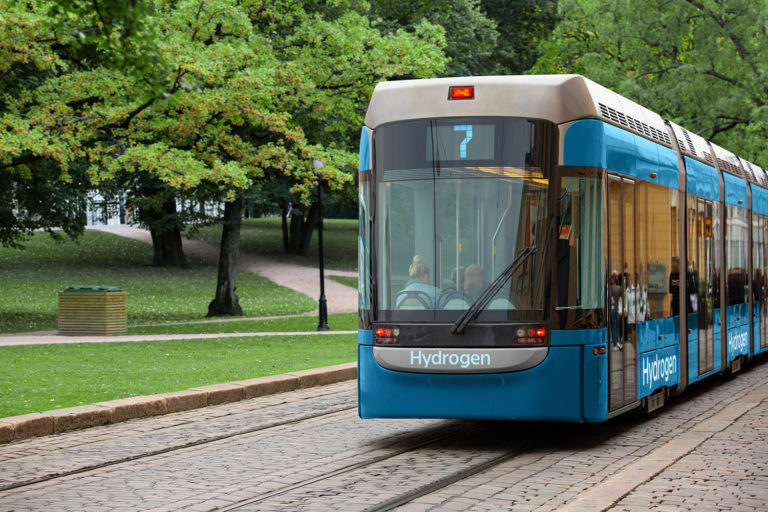
For several years, discussions surrounding sustainable transport have often been framed as a choice between competing technologies. Electric vehicles, hydrogen fuel cells, renewable fuels and biomethane have frequently been presented as rivals in a race to replace conventional fossil fuels. The reality is considerably more nuanced.
Different industries face different requirements, and the energy solution that works for an urban delivery fleet may not be suitable for long-haul haulage, remote operations or heavy industrial applications. The future of transport is therefore unlikely to be dominated by a single technology. Instead, it will be shaped by a combination of complementary solutions, each serving specific operational needs.
This multi-energy strategy is becoming more attractive as organisations seek practical pathways towards carbon reduction. Rather than waiting for a single perfect solution to emerge, businesses are adopting technologies that can deliver environmental and operational benefits today while maintaining the flexibility to adapt as the market continues to evolve.
For companies such as TSG, which operate across multiple energy disciplines, this reflects a long-held belief that the transition will be driven by integration rather than competition. Electricity, hydrogen, renewable gas and low-carbon liquid fuels each have a role to play in supporting a more sustainable transport ecosystem.

Electrification Takes Centre Stage
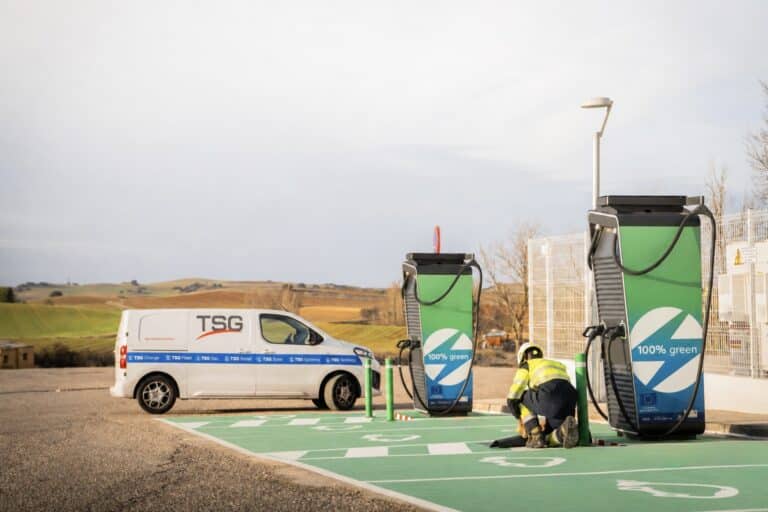
Electric vehicles have emerged as one of the most visible symbols of this transition. Improvements in battery technology, expanding charging networks and growing market confidence have accelerated adoption across both private and commercial sectors. What was once viewed as a niche alternative is becoming a familiar presence on roads, in workplaces and within fleet operations throughout the UK.
For businesses, the appeal is not limited to environmental considerations alone. EVs offer lower running costs, reduced maintenance requirements and protection against the volatility often associated with conventional fuel markets. Combined with the increasing introduction of Clean Air Zones and other environmental regulations, electrification is becoming a practical business decision as well as a sustainability initiative.
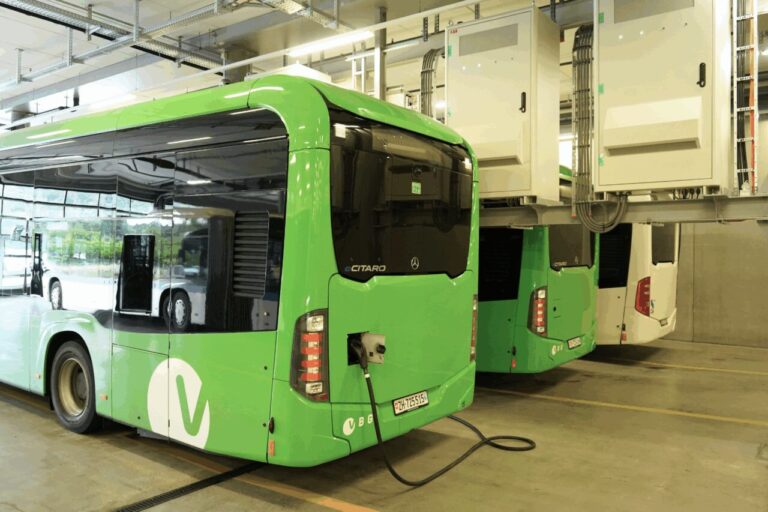
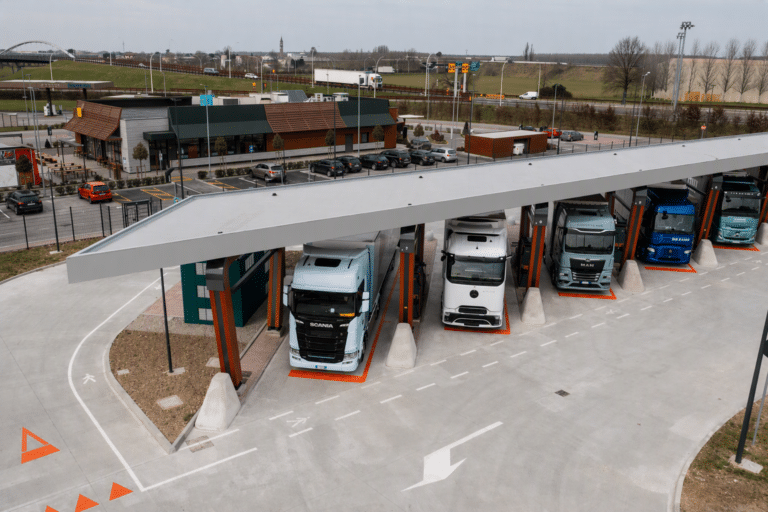
The transition, however, involves far more than simply replacing vehicles. Successful electrification depends on the supporting infrastructure. Organisations must consider charging capacity, grid connectivity, operational requirements and future growth when developing long-term fleet strategies. As vehicle numbers increase, charging networks must evolve to support both current demand and future expansion.
These changing requirements have encouraged many businesses to rethink the role of their sites and depots. Rather than functioning solely as operational bases, they are beginning to evolve into energy hubs where vehicles, charging infrastructure, renewable generation and battery storage work together as part of an integrated ecosystem. This way of working enables organisations to improve efficiency, reduce costs and make more informed decisions about their energy use, while supporting broader carbon-reduction objectives.

Technology is also playing an important role in this evolution. Intelligent energy management systems can monitor vehicle charging, balance electrical loads and provide valuable insights into operational performance. By analysing usage patterns and anticipating demand, these systems help organisations make informed decisions that improve efficiency and maximise the value of their energy investments.
Through solutions such as ChargeLOG, TSG is supporting fleet operators as they navigate this transition. Providing real-time visibility across charging infrastructure and energy consumption, these platforms allow organisations to manage increasingly complex charging environments while maintaining operational control. As electrification continues to gain momentum, the ability to monitor, optimise and adapt will become just as important as the hardware itself.
"Creating a genuinely sustainable future is not about choosing one technology over another. It is about understanding how different energy solutions work together to support businesses, communities and the wider economy. Success will depend on practical innovation, resilient infrastructure and a willingness to invest in long-term change."

Hydrotreated Vegetable Oil (HVO): Progress Available Today
While electrification continues to gather momentum, many organisations face a more immediate priority. A significant number of commercial vehicles, generators and specialist equipment will remain dependent on liquid fuels for years to come, making it essential to identify practical solutions that reduce emissions without requiring extensive operational change.
Hydrotreated Vegetable Oil (HVO) has emerged as one of the most accessible options available. Produced from certified waste materials including used cooking oils and animal fats, HVO offers a renewable alternative to conventional diesel while requiring little or no modification to existing engines and infrastructure.
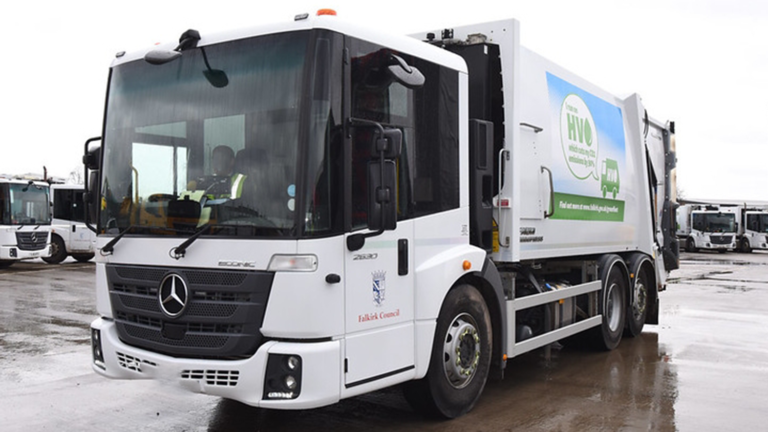
This compatibility has made HVO particularly attractive to fleet operators seeking to reduce emissions without waiting for the widespread availability of alternative technologies. By offering a direct replacement for diesel, organisations can begin reducing their environmental impact immediately while maintaining operational continuity and avoiding substantial capital investment.
The advantages extend well beyond fuel substitution. Depending on feedstock and production methods, HVO can deliver substantial reductions in lifecycle greenhouse gas emissions when compared with traditional diesel. It also produces lower levels of particulates and other pollutants, improving air quality and supporting broader sustainability objectives.
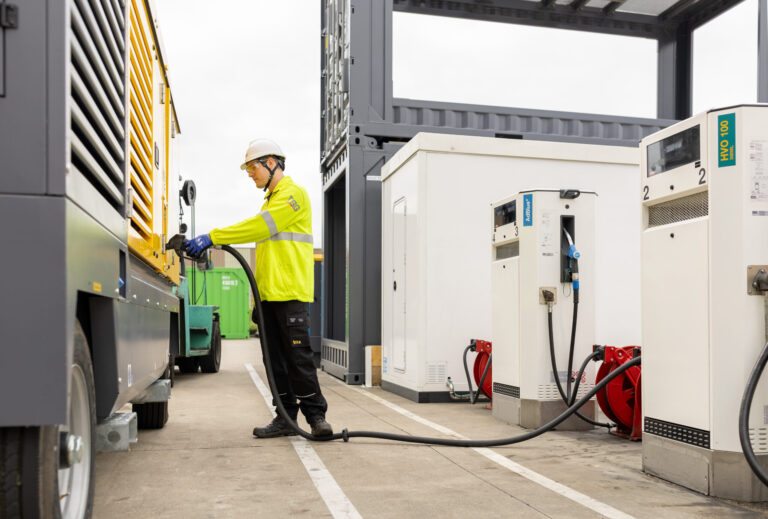
Practical advantages further strengthen its appeal. HVO can be stored using existing diesel infrastructure, offers excellent cold-weather performance and provides a longer storage life than conventional diesel. These characteristics make it particularly well suited to sectors where reliability and operational flexibility remain essential.
Although HVO is unlikely to be the final destination in the transport sector’s decarbonisation journey, it demonstrates an important principle often overlooked within sustainability discussions. Meaningful progress does not always require a complete transformation overnight. In many cases, organisations can achieve substantial environmental improvements through technologies that are available today while continuing to prepare for longer-term change.
This pragmatic mindset is likely to play an important role during the coming decades as businesses navigate an increasingly diverse energy landscape. Different sectors will progress at different speeds, and solutions such as HVO provide valuable flexibility while more extensive infrastructure and technology developments continue to mature.

Renewable Gas and Biomethane
The search for practical alternatives to diesel has also escalated interest in renewable gases, particularly within the haulage and logistics sectors where long operating ranges and rapid refuelling remain critical requirements.
Compressed Natural Gas (CNG) and Liquefied Natural Gas (LNG) have become established alternatives for operators seeking cleaner transport solutions. While both fuels offer advantages over traditional diesel, their renewable counterparts, bio-CNG and bio-LNG, are attracting even greater attention for their ability to deliver operational performance alongside significant carbon reductions.
Produced from organic waste streams including food waste, agricultural residues and sewage sludge, biomethane transforms materials that would otherwise contribute to greenhouse gas emissions into a valuable transport fuel. This creates a compelling sustainability story in which waste becomes a resource and emissions are reduced through both production and utilisation.
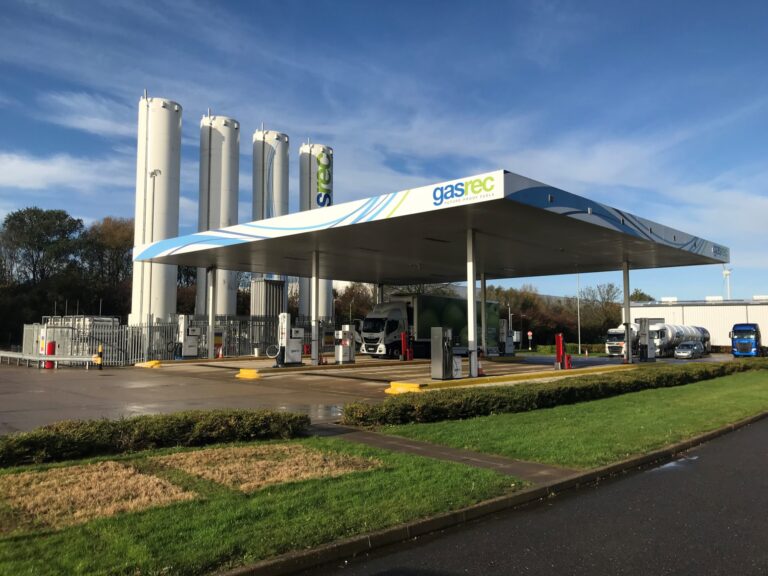
For fleet operators, the appeal extends beyond environmental performance. Renewable gas technologies offer driving ranges and refuelling times that are well suited to many commercial applications, particularly regional distribution networks and long-distance haulage operations. The ability to utilise established infrastructure and proven vehicle technologies provides an additional level of confidence for organisations pursuing practical pathways towards decarbonisation.
Perhaps most importantly, biomethane highlights the growing diversity of the sustainable transport landscape. Rather than relying on a single solution, organisations now have access to multiple technologies that can support carbon-reduction objectives while addressing diverse operational requirements.
Hydrogen's Emerging Role
Hydrogen has long been regarded as one of the most promising technologies within the transition to cleaner transport. As organisations explore a broader mix of energy solutions, hydrogen is emerging as a potential option for demanding commercial and industrial applications.

Unlike battery-powered vehicles, hydrogen fuel cell electric vehicles generate electricity through a chemical reaction between hydrogen and oxygen, producing only water vapour at the point of use. The technology offers many of the environmental benefits associated with electrification while providing a refuelling experience that closely resembles conventional petrol and diesel vehicles.
For sectors such as heavy goods transport, buses and high-utilisation commercial fleets, these characteristics are particularly attractive. Vehicles can typically be refuelled in minutes rather than hours, reducing downtime and helping operators maintain productivity. Combined with potentially longer operating ranges, hydrogen can support applications where current battery technologies may face practical limitations.
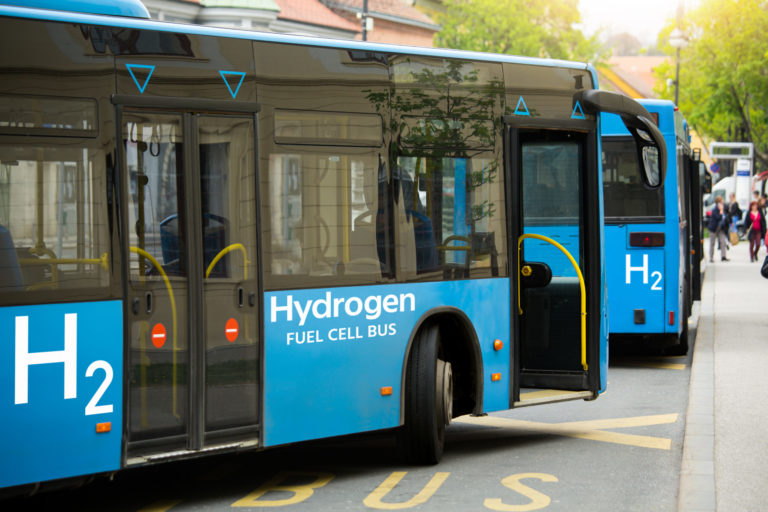
Much of hydrogen’s long-term potential, however, depends on how it is produced. Green hydrogen, generated through electrolysis powered by renewable electricity, offers a pathway towards genuinely low-carbon mobility. As renewable generation capacity continues to increase and production technologies mature, interest in green hydrogen is expected to grow across both transport and industry.
Infrastructure remains one of the most significant challenges. Hydrogen refuelling networks are still in the early stages of development and require substantial investment before widespread adoption becomes viable. Nevertheless, momentum is building. Governments, energy providers and infrastructure specialists are exploring the development of hydrogen production facilities, storage systems and refuelling corridors designed to support future demand.
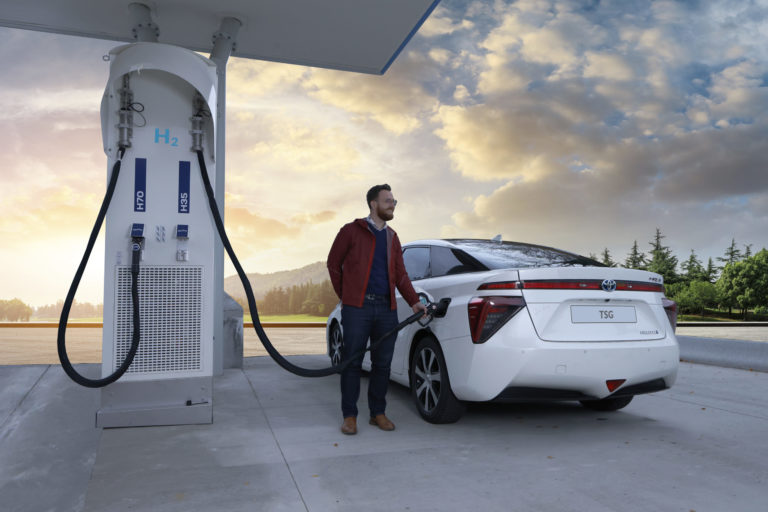
This growing investment reflects a deeper understanding that hydrogen’s role is likely to extend across multiple sectors. The technology has the potential to support industrial processes, energy storage and decarbonisation initiatives, creating opportunities that extend well outside the forecourt segment.
For companies such as TSG, hydrogen represents an important component within the energy transition. By supporting the delivery of hydrogen infrastructure, compressors, electrolysers and dispensers, organisations can begin preparing for a future in which multiple energy solutions operate side by side to meet evolving customer requirements.
A Multi-Energy Future
The diversity of technologies emerging across the transport sector highlights an important reality. There is unlikely to be a single solution capable of meeting every operational, commercial and environmental requirement.
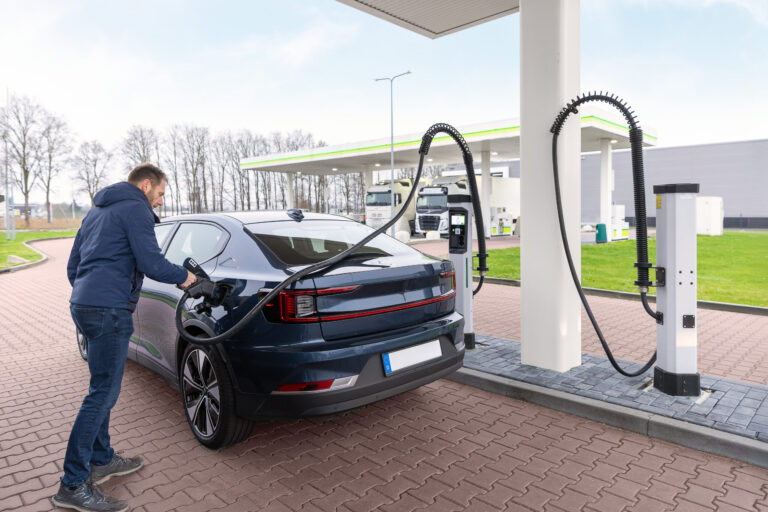
EVs continue to establish themselves within passenger transport, urban logistics and depot-based operations. HVO provides an effective route for organisations seeking immediate emissions reductions using existing assets. Renewable gases offer practical alternatives for fleet operators requiring extended range and rapid refuelling, while hydrogen continues to develop as a potential solution for heavier applications and energy-intensive operations.
Rather than competing against one another, these technologies are now being viewed as complementary parts of a multi-energy future. The most successful organisations are likely to be those that remain flexible, selecting the solutions that best align with their operational requirements while remaining open to further developments.
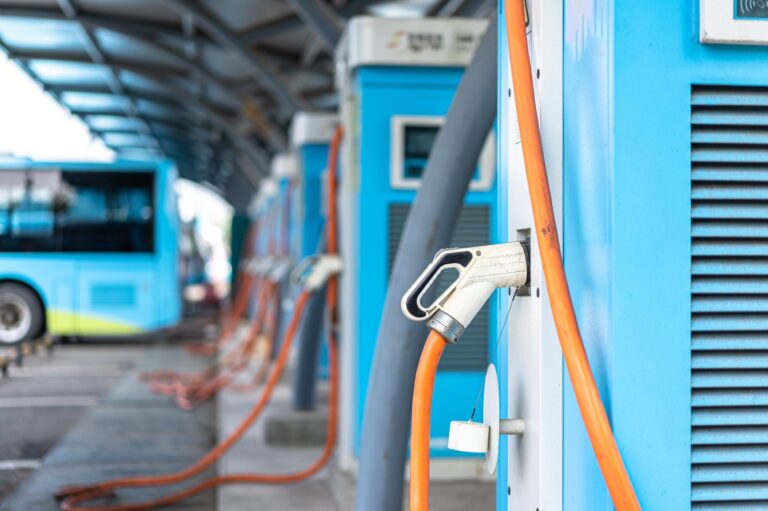
This shift in thinking reflects a broader evolution in the way organisations understand sustainability. Businesses are moving away from the search for a single answer and embracing a more integrated approach that combines multiple technologies to achieve the greatest environmental and operational benefits.
As organisations continue this journey, attention is increasingly turning towards the places where many of these technologies converge. Fleet depots, logistics centres and operational facilities are becoming focal points for innovation, bringing together renewable generation, energy storage, charging infrastructure and alternative fuels within a single environment.
The result is the emergence of a new kind of operational model: the sustainable energy hub.
The Rise of the Sustainable Fleet Depot
From Operational Base to Energy Hub
For many years, the role of a fleet depot was relatively straightforward. Vehicles arrived, refuelled, underwent routine maintenance and returned to service. Energy was largely viewed as a utility that supported operations rather than a strategic asset that required active management.
Today, that mindset is changing.
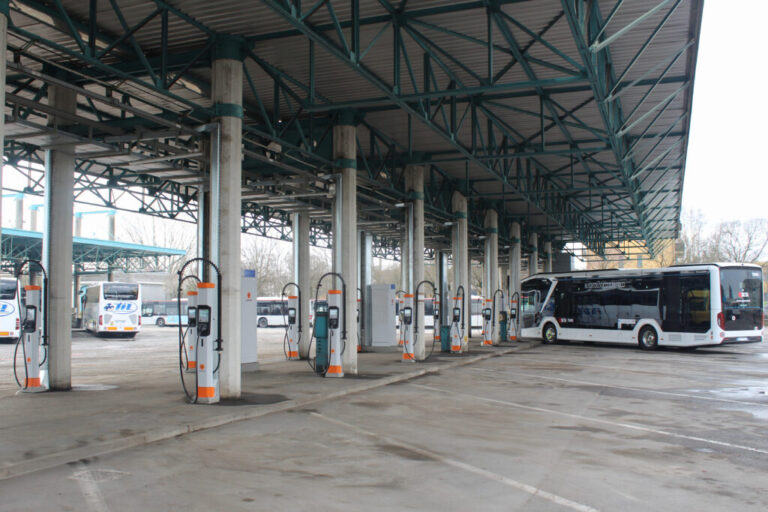
The increasing adoption of renewable energy technologies is transforming fleet depots into highly connected environments that bring together vehicles, infrastructure and energy management within a single operational hub. What was once considered an operational necessity is becoming a critical component of long-term sustainability strategies.
Both environmental and commercial considerations are driving this transformation. Organisations are exploring ways to reduce emissions and improve efficiency while strengthening energy security and improving cost predictability. The fleet depot has become one of the few locations where these objectives can be addressed simultaneously.
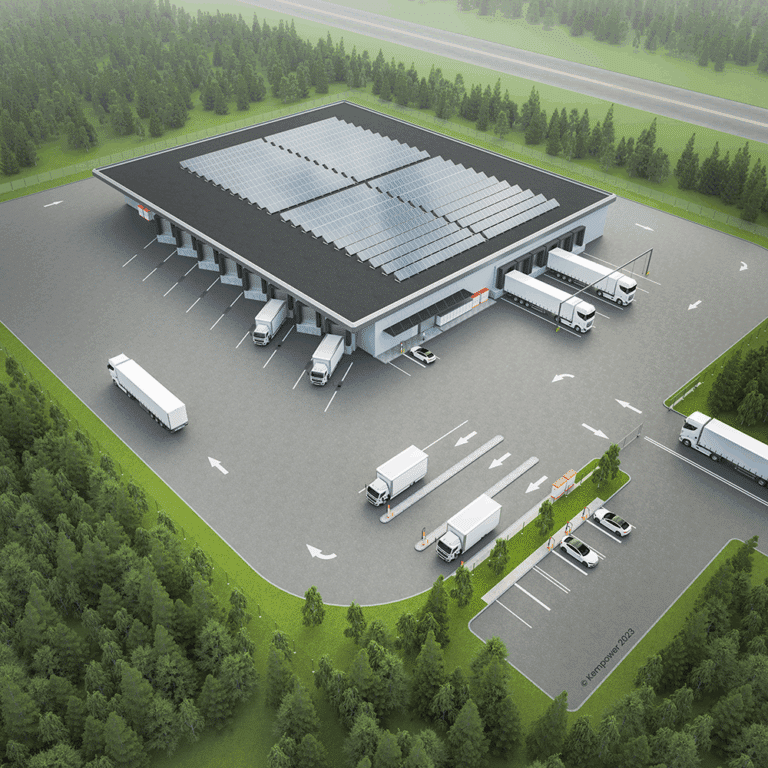
Integrating Energy, Infrastructure and Mobility
One of the defining characteristics of the modern fleet depot is integration.
Solar photovoltaic systems can generate renewable electricity during daylight hours. Battery energy storage systems can retain surplus electricity for use during periods of higher demand. Intelligent charging infrastructure can optimise EV charging, while alternative fuels such as HVO and biomethane continue to support applications where electrification may not yet be practical.
Rather than operating independently, these technologies complement one another. Energy generated on site can be stored and used to charge vehicles. Charging schedules can be adjusted to reduce peak demand. Surplus electricity can potentially be exported back to the grid. Every component contributes towards a more efficient and responsive energy strategy.
This holistic perspective enables organisations to maximise the value of their investments while reducing reliance on external energy supplies. It also provides greater flexibility, allowing businesses to adapt as technologies evolve and operational requirements change.

The Growing Role of Intelligent Energy Management
As these environments become more sophisticated, technology is playing a central role in ensuring their success.
Advanced energy management systems can monitor electricity generation, battery performance, charging schedules and fuel consumption in real time. By analysing operational data, these platforms can identify inefficiencies, forecast demand and help organisations make better-informed decisions about their energy use.
Artificial intelligence is expected to play a more influential role in this process. Predictive analytics, automated load balancing and intelligent scheduling have the potential to improve efficiency while reducing operational complexity. As energy systems become more interconnected, the ability to manage them effectively will be every bit as important as the infrastructure itself.
For fleet operators, the benefits are clear. Improved visibility can enhance operational performance, reduce downtime and support more effective planning across entire vehicle fleets.
Sustainability Beyond Carbon
ESG, Governance and Responsible Growth
While discussions surrounding sustainability often focus on emissions reduction, renewable energy and technological innovation, the reality is far broader. Creating a sustainable future requires organisations to consider not only their environmental impact but also how they govern their operations, support their people and contribute to the communities in which they operate.
This broader perspective has elevated Environmental, Social and Governance (ESG) principles from a reporting requirement to an important framework for responsible business. Investors, customers, employees and regulators are more focused on transparency, accountability and long-term value creation, encouraging organisations to demonstrate how sustainability is being embedded throughout their operations.
For many businesses, this represents a significant change in perspective. While carbon reduction remains an important priority, sustainability now influences decision-making across every aspect of an organisation. Procurement strategies, supply chain management, employee wellbeing, community engagement and governance standards are all becoming integral parts of an organisation’s sustainability agenda.
Transparency has become particularly important. Stakeholders expect organisations to move from broad commitments to clear evidence of progress. Environmental reporting frameworks, science-based targets and independent assessments are helping businesses measure performance more effectively while building confidence among investors, customers and employees.
At the same time, organisations are recognising the importance of responsible growth. Commercial success and sustainability are now viewed as complementary objectives, with businesses seeking opportunities to improve environmental performance while strengthening long-term competitiveness. This mindset is helping to create organisations that are not only more sustainable but also more adaptable, accountable and prepared for future change.
Sustainability Begins with People
Skills for a New Energy Era
Every technological transition in history has relied upon people with the skills, knowledge and ambition to drive it forward. Today’s energy transition is no different.
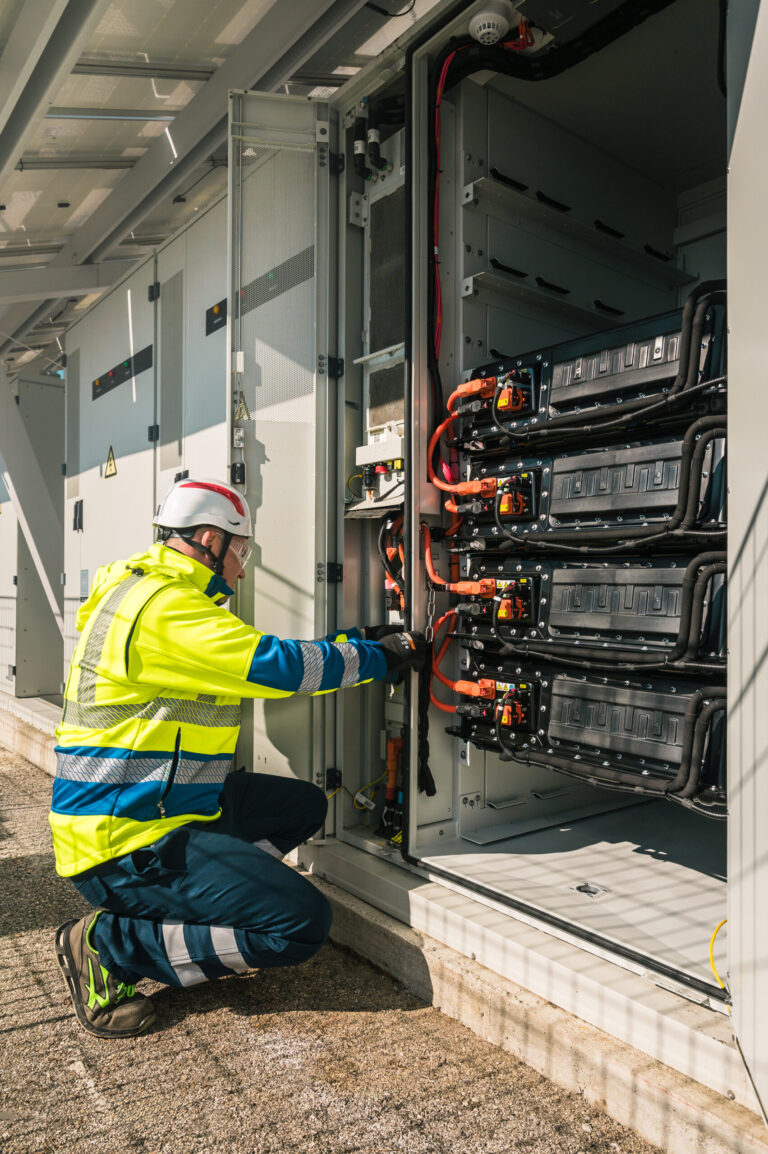
Although technologies such as solar generation, battery storage, hydrogen and electric vehicles often attract the greatest attention, it is the expertise behind them that determines their success. From engineering and project delivery to installation and maintenance, skilled professionals play a central role in supporting the infrastructure that underpins the energy transition.
As demand for low-carbon technologies continues to grow, the need for skilled professionals is becoming increasingly apparent across the energy sector. New roles are emerging at every stage of the supply chain, creating opportunities for experienced professionals while attracting a new generation of talent eager to contribute to a more sustainable future.

For businesses operating within the sector, investment in people has become every bit as important as investment in technology. Developing the workforce needed to support future growth requires ongoing training, professional development and a commitment to creating environments where individuals can build rewarding and meaningful careers.
Bringing together people with different backgrounds, experiences and perspectives helps organisations think more creatively and respond more effectively to new opportunities and demands. As the energy sector continues to evolve, attracting talent from a broad range of backgrounds will support innovation and help ensure the industry reflects the communities it serves.
In addition to technical expertise, organisations are paying closer attention to employee wellbeing, personal development and workplace culture. Sustainability is ultimately about creating long-term value, and that principle applies as much to people as to infrastructure, technology or environmental performance.
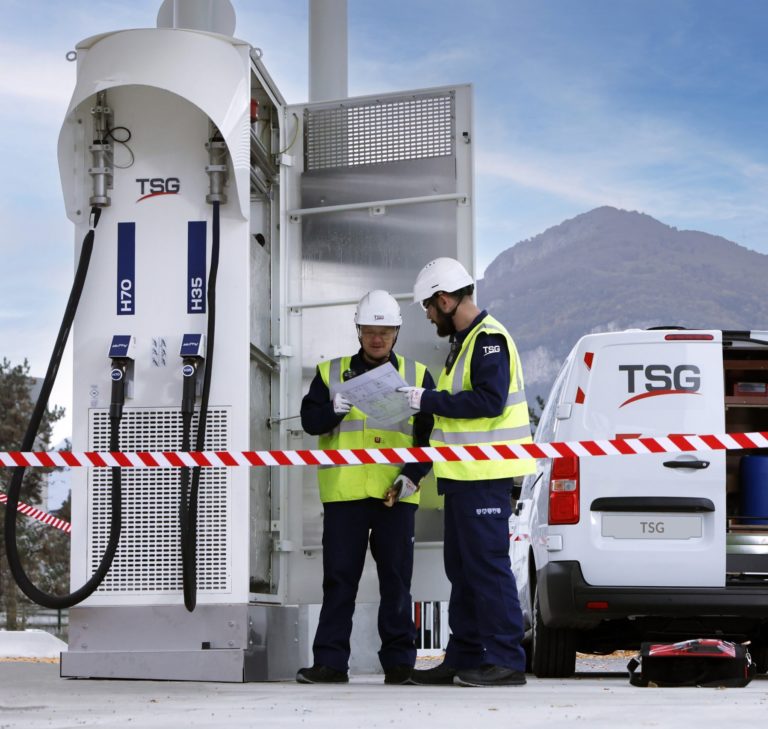
Creating Opportunities Through Careers
The transition towards cleaner energy is creating one of the most significant employment opportunities of a generation. Across the UK, demand is growing for individuals with expertise in electrical engineering, renewable energy, infrastructure delivery, sustainability, project management and digital technologies.
For organisations such as TSG, this evolution has created exciting opportunities to build careers that contribute directly to the future of energy. What began as a business primarily associated with traditional fuel infrastructure has expanded into a multi-energy organisation supporting technologies such as solar, battery storage, electric vehicle charging, hydrogen and alternative fuels.
This transformation reflects the changing needs of customers and the economy, but it also highlights the importance of investing in the people who will deliver the next generation of energy solutions. By providing training, development opportunities and pathways for progression, organisations can help ensure the industry has the skills needed to support continued growth.
The energy transition is often discussed in terms of technology. In reality, it is equally a story about people, ambition and opportunity. The innovations shaping tomorrow’s energy landscape will ultimately be delivered by individuals whose expertise, creativity and commitment make progress possible.
Turning Commitments into Action
TSG’s Own Sustainability Journey
For organisations working within the sustainability sector, credibility depends not only on the solutions they provide but also on the standards they apply to their own operations.
Across the TSG UK Group, sustainability is being embedded through a combination of environmental commitments, operational improvements and long-term targets designed to support meaningful change. From renewable energy adoption and fleet transition programmes to digitalisation and responsible procurement initiatives, the objective is to reduce environmental impact while maintaining high standards of governance and accountability.
These efforts are supported by a range of internationally recognised frameworks and certifications. Participation in initiatives such as the United Nations Global Compact, CDP environmental reporting and science-based emissions reduction targets reflects a commitment to transparency and continuous improvement. Achievements such as EcoVadis Platinum certification in 2024, alongside TSG Group’s alignment with the Science Based Targets initiative (SBTi), demonstrate how responsible business practices and measurable climate action are embedded across the Group.

Within the UK, renewable electricity is already supporting office operations, while investments in solar generation, waste reduction, digital systems and lower-emission vehicles are helping to reduce environmental impact across day-to-day activities. Alongside these initiatives, community engagement, employee development and ethical business practices remain central to the company’s culture and values.
Meaningful progress is not achieved through a single project or investment. Sustainability requires continuous improvement as organisations adapt, innovate and remain accountable in response to evolving technologies, regulations and expectations.
By applying the same principles internally that it promotes externally, TSG aims to demonstrate that meaningful progress is achieved through consistent action rather than aspiration alone.
Shaping the Next Chapter
The transition towards a more sustainable future is often described as a challenge. While that is certainly true, it is also an opportunity to rethink how energy is generated, distributed, stored and consumed in ways that support both environmental progress and economic growth.
The technologies required to support this transformation already exist. Solar power, battery storage, electric vehicle infrastructure, renewable fuels, hydrogen solutions and intelligent energy management systems are helping organisations reduce emissions while strengthening operational performance. Equally important is the infrastructure that connects these technologies, providing the foundations on which future energy systems will be built.
Yet technology alone will not determine success. Progress will depend on collaboration between businesses, infrastructure providers, policymakers and individuals working towards a shared objective. It will require investment, innovation and a willingness to embrace new ways of thinking about energy and sustainability.
The organisations that lead this transition are unlikely to be those searching for a single answer. They will be the ones that understand how different technologies, skills and strategies can work together to create practical solutions that deliver long-term value.
From the steam-powered industries of the nineteenth century to the interconnected energy ecosystems now emerging, every era has been defined by its ability to adapt to changing circumstances and harness new opportunities. The same principle applies today.
The sustainability imperative is reshaping business, infrastructure and society alike. Organisations that recognise this shift and act with purpose will not simply respond to change. They will help define what comes next.