Introduction
By Cheryl Ashton, Marketing Coordinator, TSG UK
Every business leaves an environmental footprint. The question is not whether that impact exists, but how effectively it is managed.
At TSG, environmental stewardship extends far beyond compliance. It influences how projects are planned, how facilities are operated and how teams work across customer sites every day. From reducing greenhouse gas emissions and preventing pollution to protecting biodiversity and managing waste responsibly, the objective is clear: to minimise environmental impact while supporting the transition towards a more sustainable future.
The environmental challenges facing society are significant. Climate change, pollution and habitat loss continue to place growing pressure on natural systems. Yet organisations also have an opportunity, and a duty, to contribute to positive environmental change. Through clear environmental objectives and practical action, TSG is committed to driving meaningful change.

Understanding Our Impact
Every organisation leaves an environmental footprint through the resources it consumes, the energy it uses and the activities it carries out. For a business such as TSG, that footprint extends across offices, warehouses, operational vehicles, construction sites and maintenance activities delivered for customers every day.
Even routine operations can influence the environment in different ways. Energy used to power buildings contributes to greenhouse gas emissions, while vehicle movements consume fuel and release carbon into the atmosphere. Construction activities can generate dust, noise and waste, and excavation work may disturb vegetation, habitats and natural drainage systems. If not managed effectively, waste materials, spills and leaks can also affect the soil and water resources that both communities and ecosystems depend upon.
Recognising these impacts is the first step towards reducing them. By understanding where environmental risks exist, TSG can implement practical measures that minimise harm, improve sustainability and support growth.

Climate: Reducing Carbon Across Our Operations
Climate change remains one of the defining environmental challenges of our time. Greenhouse gases, particularly carbon dioxide (CO₂), continue to place increasing pressure on the planet by trapping heat in the atmosphere and accelerating global temperature rise.
At TSG, addressing climate change begins with understanding where emissions originate. Several factors influence the company’s carbon footprint, including fuel consumed by operational vehicles, energy used within offices and facilities, and the wider supply chain that manufactures and delivers the equipment required to support customer projects.
Reducing these emissions requires action across the business. More efficient route planning helps minimise unnecessary journeys, while eco-driving techniques and the ongoing adoption of lower-emission vehicles cut fuel consumption. Within buildings, careful management of lighting, heating and equipment use helps reduce energy demand and improve overall efficiency.
These measures support TSG’s wider mission of helping customers adopt cleaner energy solutions while continuously improving the sustainability of its own operations.

Protecting Water and Soil: Pollution Prevention
Water and soil are among our most valuable natural resources, yet they are often the most vulnerable to human activity. In industrial and construction environments, uncontrolled spills, leaks and poorly managed waste can contaminate land, groundwater and watercourses, creating long-term environmental consequences.
TSG treats protecting water and soil as a fundamental priority rather than a regulatory obligation. Prevention remains the primary objective. Robust handling procedures, appropriate storage practices and established environmental controls help minimise the likelihood of pollution incidents.
The same principle applies to waste management. Correct segregation, safe transportation and appropriate disposal help prevent pollutants from entering the environment while ensuring waste materials are managed in accordance with environmental requirements.

Air Quality: Managing Emissions, Dust and Noise
While carbon emissions often dominate environmental discussions, they represent only one aspect of a much wider challenge. Air quality can also be affected by exhaust fumes, gas vapours, dust and noise generated through everyday operational activities.
Construction equipment, generators, vehicles and machinery can affect the surrounding environment and, where works are undertaken close to residential or commercial areas, local communities can feel those impacts directly.
TSG seeks to reduce these effects through practical measures designed to minimise emissions and disturbance. Cleaner operations are supported through a combination of measures, including using electric tools where practical, reducing unnecessary equipment idling and ensuring machinery is properly maintained. Dust-control measures and the careful scheduling of activities further help mitigate impacts on neighbouring businesses, residents and the wider environment.
While individual actions may appear small in isolation, their combined effect can significantly reduce atmospheric emissions and improve environmental performance across a project’s lifecycle.

Biodiversity: Protecting the Natural Environment
Environmental protection is about more than reducing emissions or preventing pollution. It also requires safeguarding the natural ecosystems that support life around us.
Plants, animals and natural habitats are interconnected. Damage to one part of an ecosystem can trigger a ripple effect across the wider environment, influencing biodiversity, water quality, soil health and climate resilience. Healthy ecosystems provide many of the resources society depends upon, including clean air, fresh water and fertile land.
This presents an important challenge for organisations involved in construction, maintenance and infrastructure development. Activities such as excavation, ground disturbance and land development can alter habitats if not carefully managed.
TSG aims to minimise these impacts through well-planned site management, clearly defined work zones and measures designed to protect vegetation, trees and watercourses. By carefully controlling activities and promoting environmentally conscious working practices, the business seeks to ensure that necessary development can take place while respecting the natural environment in which it operates.
The Hidden Environmental Risks in Everyday Operations
When people think about environmental impact, their minds often turn to carbon emissions, energy consumption or climate change. While these remain critical challenges, many environmental risks associated with day-to-day operations are far less visible.
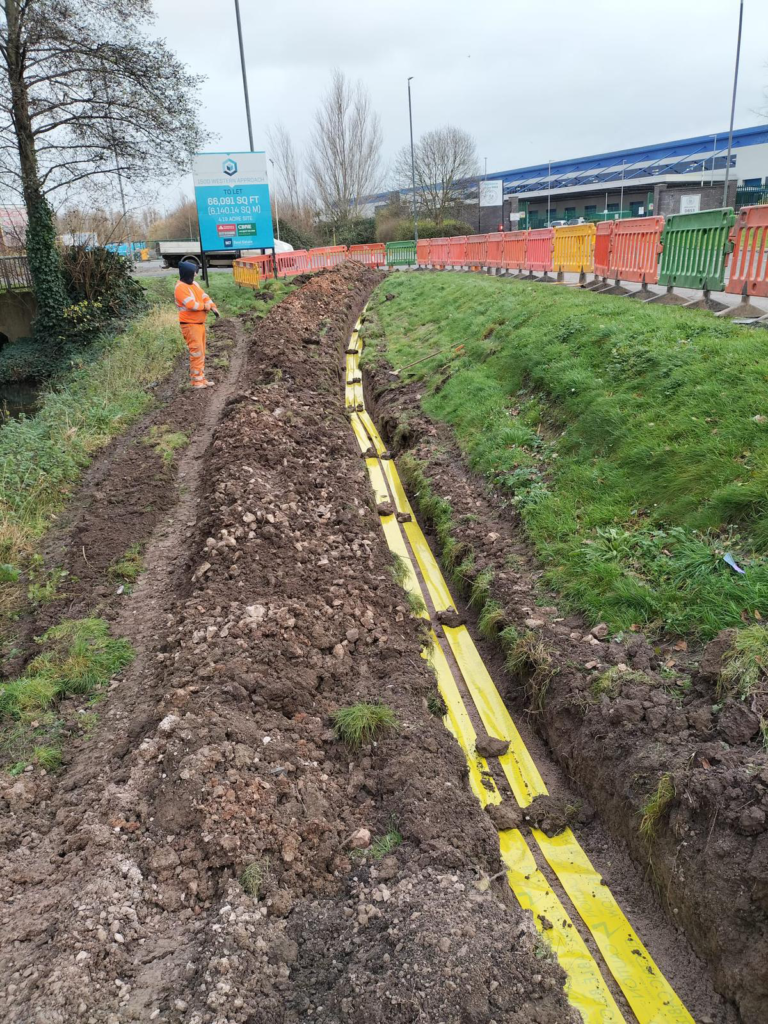
Across construction, maintenance and infrastructure projects, a wide range of materials and by-products can affect the environment if not managed correctly. From waste materials and chemical residues to dust, excavated soil and ageing equipment, the risks can take many forms. Understanding these potential impacts is essential to effective environmental management.
At TSG, environmental protection begins with recognising where these risks exist and implementing measures to control them throughout the project’s lifecycle.
Materials such as cement, concrete and asphalt are commonplace on construction sites, yet if they enter watercourses or surrounding land, they can have a significant environmental impact. Similarly, chemicals, solvents and petroleum-related products require careful handling and storage to prevent contamination of soil and groundwater.

Excavation activities present their own challenges. Soil and rock removed during construction projects must be managed appropriately to minimise waste and prevent disruption to the surrounding environment. Meanwhile, equipment that has reached the end of its operational life, including electrical and electronic components, requires specialist disposal processes to ensure hazardous materials are recovered or treated safely.
Even materials that may appear relatively harmless can contribute to environmental pressures if not managed correctly. Packaging waste, scrap plastics, wooden crates and pallets are valuable resources that can often be reused or recycled instead of discarded. By adopting a more circular approach to resource management, businesses can reduce waste, conserve raw materials and lower the environmental burden of disposal.

Airborne pollutants can also present environmental challenges that are not always immediately visible. Vehicle and machinery exhaust emissions, gas vapours and construction-related dust can affect local air quality and contribute to wider environmental concerns if not properly controlled.
For TSG, effective environmental management means taking a holistic view of these risks. Rather than focusing solely on the most visible environmental challenges, the business seeks to identify and manage potential impacts across every stage of its operations. This approach helps ensure that environmental responsibility is embedded not only in strategic objectives, but also in the practical decisions made on sites, in workshops and across facilities every day.
Turning Commitment into Action
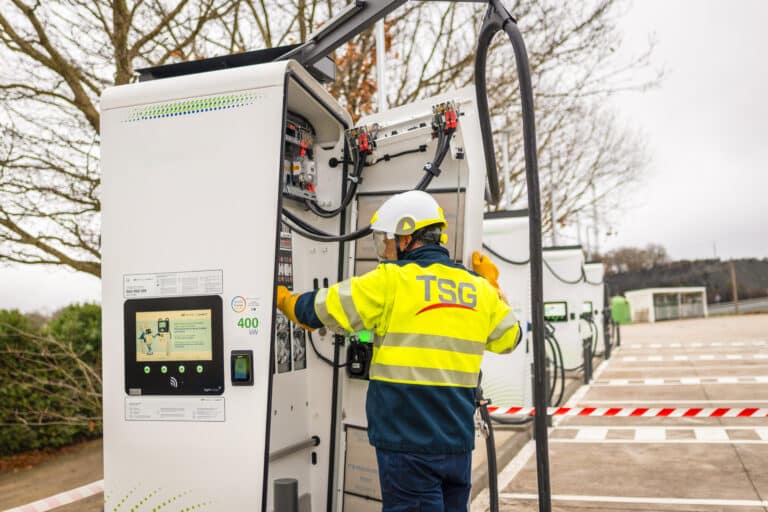
Environmental performance is most effective when it becomes part of everyday decision-making. At TSG, environmental considerations are integrated across operations, from managing offices and warehouses to delivering projects on customer sites. Whether reducing energy consumption, preventing pollution or protecting local habitats, the objective remains the same: minimise environmental impact while supporting safe, efficient and sustainable operations.
Policies and procedures play an important role, but lasting progress depends on creating a culture where environmental awareness is part of daily working life. By giving employees the knowledge and understanding needed to recognise environmental risks, TSG helps embed informed decision-making throughout the organisation.
Across the business, environmental considerations influence everything from facility management to operational field activities. In offices and warehouses, attention is given to reducing energy consumption from lighting, heating and equipment, while operational teams are encouraged to work efficiently and minimise unnecessary resource use. Across the vehicle fleet, route planning, fuel-efficiency measures and the gradual adoption of lower-emission technologies help reduce the environmental impact of travel and transportation.
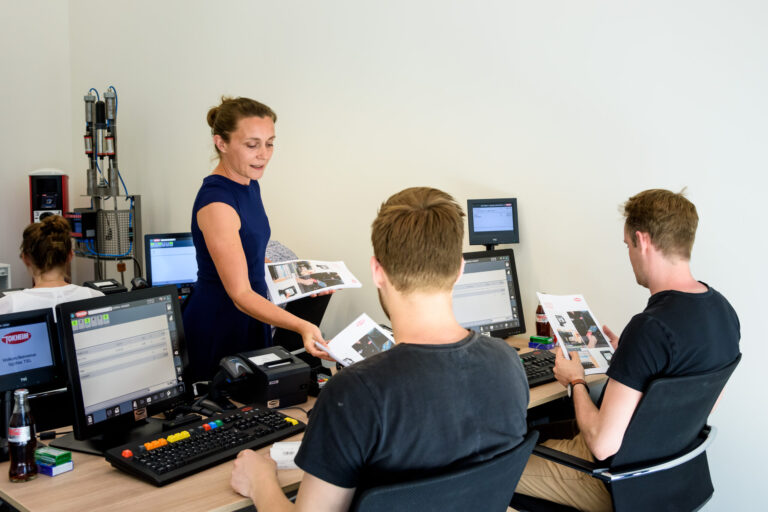
The same approach continues across customer sites, where construction, installation and maintenance activities are managed to minimise disruption to surrounding communities and the natural environment. Effective waste management practices and pollution prevention measures help mitigate environmental impact across the entire site.
Underpinning these efforts is environmental training that helps employees understand how everyday activities can affect climate, air quality, water, soil and biodiversity. TSG ensures that environmental awareness is not confined to management strategies or sustainability reports. Instead, it becomes a practical consideration that informs decisions at every level of the business.
This ongoing focus on awareness and accountability strengthens TSG’s ability to manage environmental impacts effectively. More importantly, it reinforces a shared understanding that sustainability is not achieved through a single initiative, but through the collective effect of thousands of positive actions carried out every day.
Every Action Counts
Environmental protection is not the responsibility of one department or a handful of specialists. It depends on the actions every employee takes, every day.
Whether reducing energy use, responding quickly to spills, managing waste responsibly or protecting local habitats, each action contributes to a larger goal.
TSG is committed to protecting ecosystems, reducing environmental impacts and supporting the fight against climate change. Through thoughtful business practices and the dedication of our people, we are helping to build a safer, cleaner and more sustainable future.
The environmental challenges are real. But so is our ability to make a difference.
And at TSG, that difference starts with us.