By Cheryl Ashton, Marketing Coordinator, TSG UK
As forecourts evolve to support multiple fuels, new technologies and higher customer expectations, the reliability of every asset matters. Service and maintenance sit quietly behind the scenes, yet they play a defining role in performance, safety and operational confidence.
Modern forecourts are complex, high‑pressure environments. They operate long hours, welcome thousands of customers each week and rely on multiple systems working seamlessly together. From fuel dispensers and wash equipment to EV charge points, solar installations and site presentation, every element plays a role in performance, safety and customer perception.
Yet service and maintenance are often overlooked until something goes wrong. In reality, they are among the most powerful tools a forecourt owner has to protect revenue, control costs and safeguard reputation. With changing fuels, tighter regulation and higher customer expectations, maintenance now sits at the heart of forecourt performance. Those who take a proactive approach are better placed to protect uptime, reputation and long‑term value.
Reliability Starts with the Basics
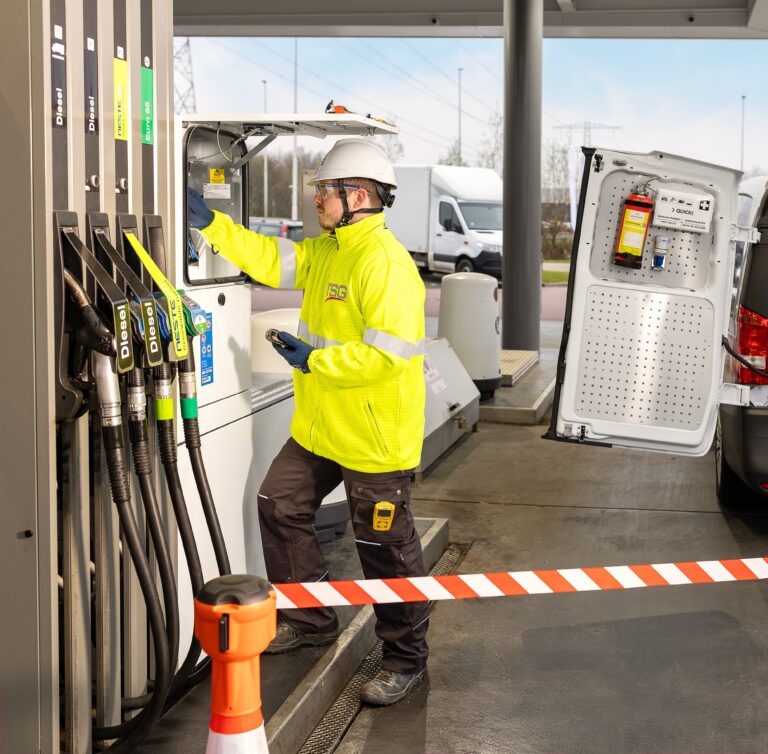
Every forecourt depends on equipment that must perform day in, day out. Fuel dispensers, gauges, lighting, payment systems and safety infrastructure all need to function flawlessly to keep traffic flowing and customers satisfied. A single fault can disrupt operations, slow queues and erode trust in a matter of minutes.
Planned maintenance provides structure and predictability. Routine inspections identify wear before it escalates into failure, allowing parts to be serviced or replaced in a controlled way. Filters, seals, hoses and moving components naturally degrade over time. Addressing this early helps preserve performance, accuracy and safety while extending asset life.
Seasonal servicing also plays a vital role. Cold weather brings its own risks, including brittle components, freezing, and condensation within equipment housings. Preparing sites in advance reduces the likelihood of winter breakdowns and avoids the inconvenience and cost of emergency repairs during the most challenging conditions.
Planned Preventative Maintenance: The Smarter Approach
Reactive maintenance may feel cost‑effective in the short term, but it often proves expensive over time. Emergency repairs typically involve longer downtime, higher labour costs and delays while parts are sourced. Worse still, repeated run‑to‑failure scenarios can cause irreversible damage, shortening the lifespan of valuable assets.
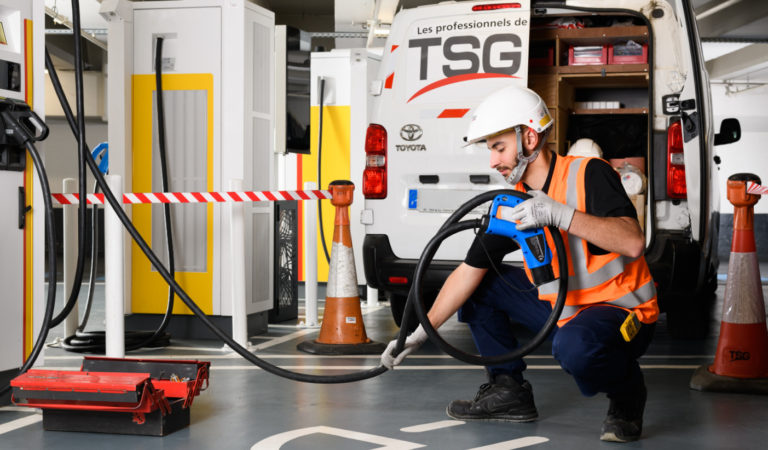
Planned Preventative Maintenance offers a smarter alternative. By scheduling inspections and servicing while equipment remains operational, forecourt owners gain control. Minor issues are resolved early, failure rates fall and uptime improves. Maintenance costs become more predictable, budgeting is simplified and business continuity is protected.
For busy forecourts where availability is critical, uptime is a competitive advantage. Customers expect reliable service. An unavailable dispenser, wash or charger gives customers a reason not to return. Consistent maintenance helps ensure that does not happen.
EV Charging: Reliability Builds Trust
As EV adoption accelerates, reliability has become the defining factor for public charging infrastructure. Drivers have little tolerance for faulty or out‑of‑service charge points, and poor performance quickly damages confidence in a site.
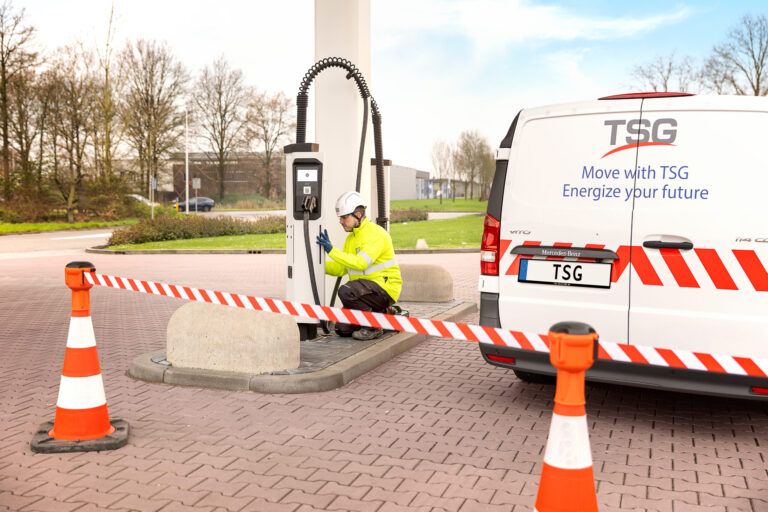
Maintenance programmes for EV charge points must address both safety and performance. Inspections typically cover transformers, circuit breakers, cooling systems, connectors and cables, combined with load checks to confirm power is distributed evenly across the site. Irregular charging times can indicate voltage issues or underlying electrical faults, which, if left unaddressed, can lead to larger failures.
Presentation also matters. Clean, accessible charging bays with functional screens and payment terminals significantly improve the driver experience. Regular cleaning prevents debris build‑up, protects sensitive components and reinforces the impression of a professional, well‑run site.
Regulation has added another layer of importance. Under the Public Charge Point Regulations 2023, rapid chargers must meet strict reliability standards, with quarterly reporting required for compliant networks. A proactive maintenance strategy helps operators stay aligned with these obligations while avoiding penalties and reputational risk.
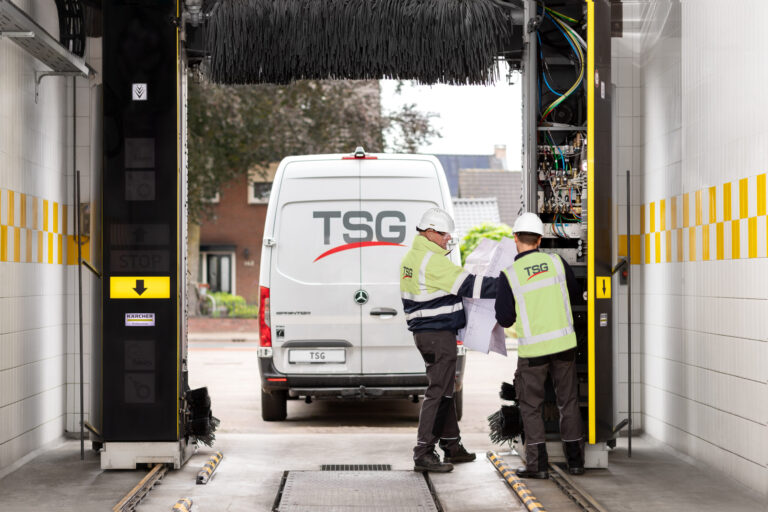
Wash Equipment: Protecting Revenue and Brand Standards
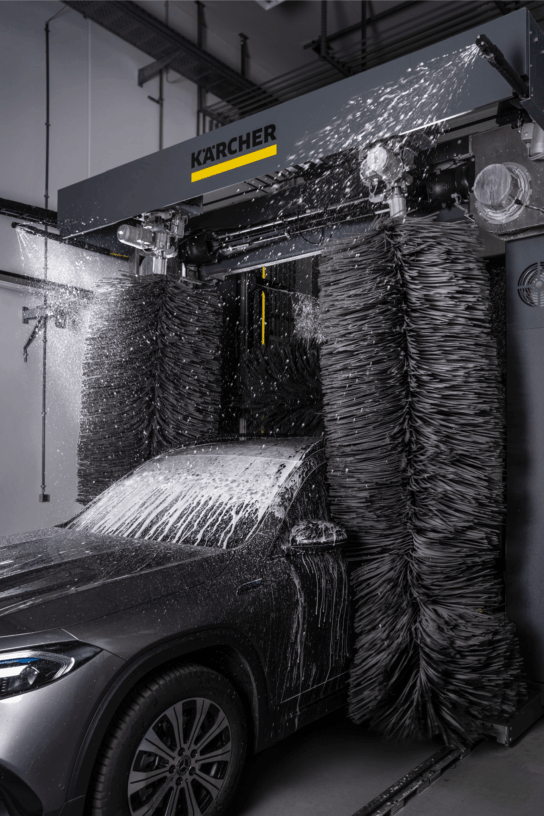
Vehicle wash systems are demanding pieces of equipment. They operate in harsh conditions, handling constant water exposure, grit, dirt and heavy usage. Without regular care, mechanical components deteriorate quickly, leading to breakdowns, customer complaints and lost income.
Daily visual checks make a meaningful difference. Inspections of hoses, brushes, nozzles, blowers, drainage, lighting and detergent levels help staff identify early signs of wear. A simple test wash can confirm that brushes make proper contact and soap is being applied evenly.
Cleanliness is just as important as mechanics. A dirty or neglected wash creates a poor impression and undermines trust, particularly on high‑throughput sites. Even brief, regular jet washing can restore appearance, support brand standards and maintain customer confidence.
Scheduled mechanical servicing of motors, belts and bearings reduces the risk of sudden failure, while drainage maintenance prevents blockages that can halt operations entirely. Together, these activities protect both revenue and reputation.
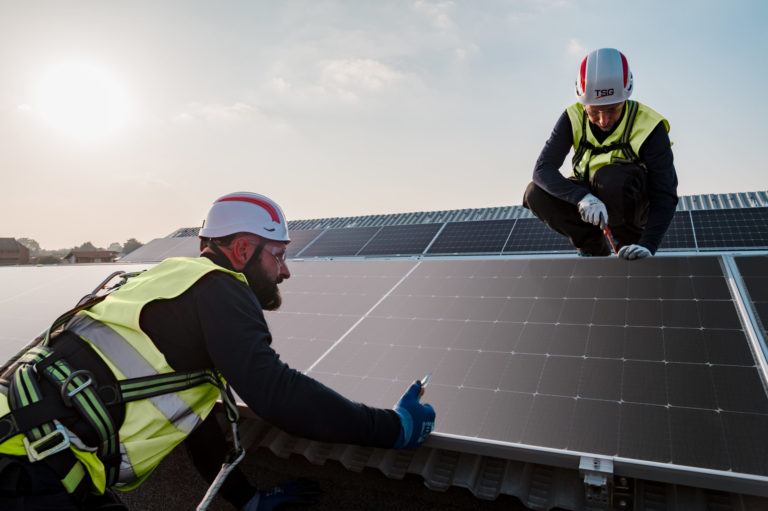
Solar Maintenance: Protecting the Investment
Many forecourts have invested in solar PV to offset energy costs and improve sustainability credentials. However, generation performance depends on ongoing care. Without maintenance, efficiency can gradually decline and go unnoticed, undermining return on investment.
Routine inspections focus on inverter performance, electrical testing and energy‑production analysis to identify dips or irregular patterns. Panels are checked visually for damage, and spot cleaning removes dirt and debris that reduces output.
Advanced monitoring tools track performance across the system, making it easier to identify issues such as shading, loose connections or declining panel efficiency. Thermal imaging can reveal hotspots or wiring faults invisible to the naked eye. The earlier these issues are addressed, the better protected the system’s long‑term value.
For forecourts where energy resilience matters, reliable solar performance supports broader operational stability and sustainability goals.
Care and Protect: Presentation with Purpose
Customers form opinions quickly. A clean, well‑maintained site signals professionalism, safety and reliability, encouraging repeat visits. Care and Protect takes a structured approach to forecourt presentation, combining aesthetic upkeep with essential maintenance.
Following a detailed site survey, plans are tailored to each location’s priorities. This can include canopy cleaning, lighting maintenance, façade restoration, signage upkeep, decal refreshes, floor graphics, paintwork and safety‑notice checks. High‑pressure cleaning and treatments for algae and mould restore brightness to surfaces that are otherwise difficult to reach.
Regular presentation maintenance does more than enhance appearance. It supports health and safety compliance, identifies hazards early and protects structural integrity. For busy forecourts, this proactive approach reduces unplanned downtime and safeguards brand reputation.
One Partner, Total Confidence
Managing multiple service providers across dispensers, charging, wash systems, solar assets and site presentation can quickly become complex and time‑consuming. A single, experienced partner simplifies reporting, improves consistency and provides a clearer view of site performance.
TSG brings decades of experience across every aspect of forecourt service and maintenance. From planned preventative maintenance and compliance support to EV charging, solar care, wash servicing and Care and Protect, TSG delivers joined‑up expertise that reflects how modern forecourts actually operate.
Service and maintenance may work quietly in the background, but their impact is unmistakable. They protect performance, safeguard investment and ensure forecourts remain safe, reliable and welcoming, today and in the future.