How payment is driving performance across every service
By Cheryl Ashton, Marketing Coordinator, TSG UK
The modern forecourt is no longer defined by fuel alone. It has evolved into a multi-service retail environment where customers expect speed, simplicity and consistency across every interaction, whether they are refuelling, buying coffee, washing a vehicle or charging an electric car. At the centre of this transformation sits payment.
What was once a functional endpoint has become a key enabler of performance. Payment influences how quickly customers move through a site, how confidently they engage with services and how effectively operators manage their business. When systems are connected and deployed intelligently, payment does more than process transactions. It quietly underpins efficiency, security and growth across the entire forecourt.
Payment is the operational backbone
Customer expectations have shifted rapidly in recent years. Contactless and mobile payments are now second nature, while self-service is seen as a convenience rather than a novelty. Queues and delays quickly erode satisfaction, particularly on busy forecourts where time is limited and visits are quick and task-focused.
Faster, more flexible payment options give operators a clear opportunity to improve flow across the site, reduce pressure on staff and increase throughput during peak periods, helping to create a consistent experience that builds trust and encourages repeat visits.
Individual devices are not enough to maintain this level of consistency; integrated systems are required to connect dispensers, car washes, retail platforms and back-office reporting within a single environment. Payment sits at the centre of this ecosystem, linking all elements and enabling seamless communication across the entire site.
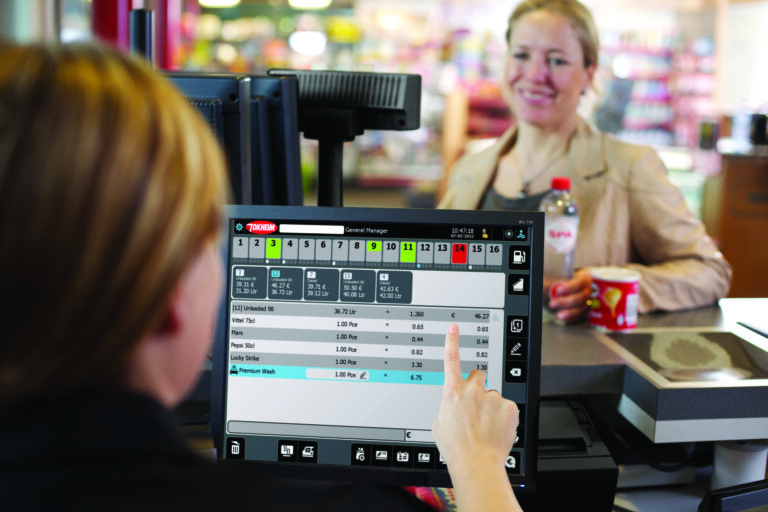
TSG’s Prizma electronic point-of-sale platform brings this into day-to-day operation, giving retailers a clear, joined-up view of site activity and greater control through a centralised interface. Tasks that were once manual become automated, reducing complexity and allowing staff to focus on customer service.
As transaction volumes grow and fraud becomes more sophisticated, security must evolve in parallel, with operators increasingly seeking systems that go beyond baseline compliance. Prizma meets stringent Payment Card Industry Data Security Standard (PCI DSS) requirements and protects every transaction through secure, encrypted communication, ensuring sensitive card data is never stored on site and maintaining a secure environment without slowing the customer journey.
Improving flow across the forecourt
Once payment is fully integrated into site operations, its impact extends across every touchpoint, improving both customer flow and operational control in ways that are immediately visible.
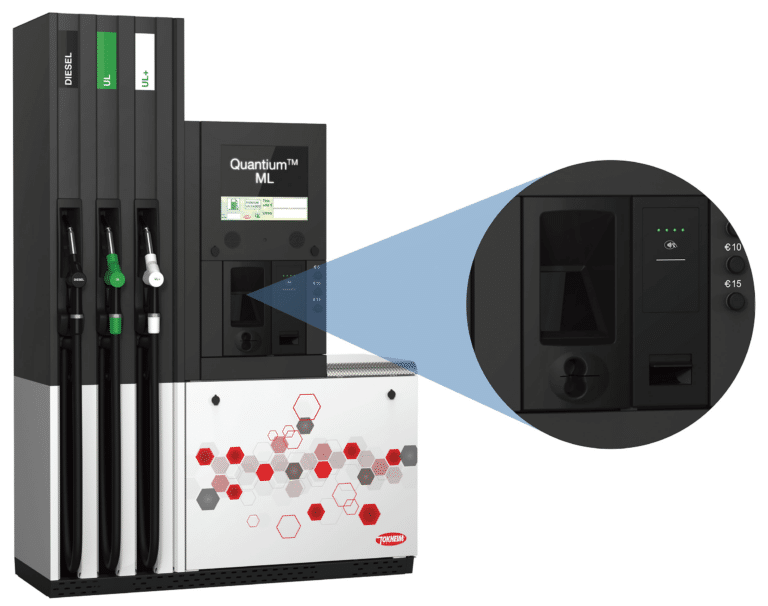
Outdoor payment terminals have become one of the most effective ways to improve throughput and reduce site friction. Customers can refuel and complete transactions directly at the pump, eliminating the need to enter the store. This streamlines the process and eases congestion inside.
Solutions such as the Crypto VGA™ terminal are designed to make this experience simple and intuitive. A clear touchscreen guides users through the process, supporting card, contactless and mobile payments. Built-in anti-tamper and anti-skimming protection ensures transactions remain secure even in high-volume environments.
For operators, the benefits extend well beyond convenience, as pre-payment at the pump reduces the risk of drive-offs and provides greater control over transactions. It also supports extended opening hours and, in some cases, unmanned operation, helping sites maintain profitability in a challenging labour market.
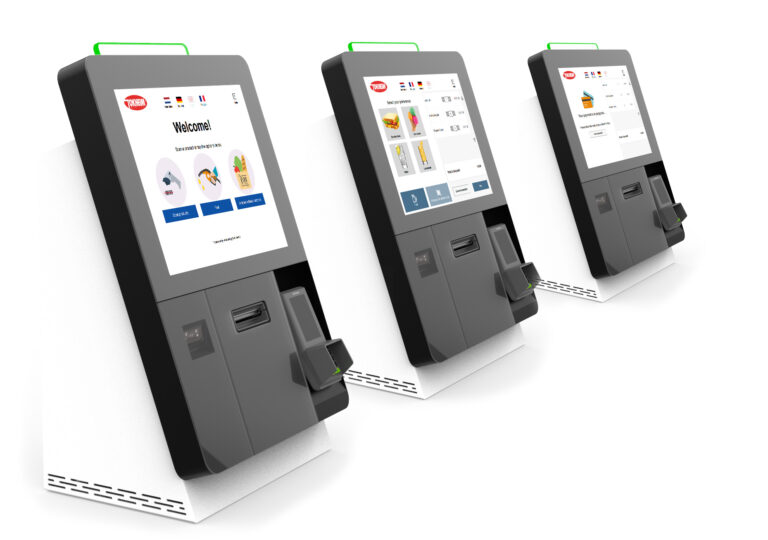
Inside the store, self-checkout solutions extend the same principles. Customers who want speed can pay quickly for fuel, groceries or car wash services in a single transaction, while staff are freed to focus on higher-value tasks. One team member can oversee multiple self-service points, maintaining service levels without increasing headcount.
Order kiosks are becoming particularly valuable as food-to-go continues to grow. By simplifying ordering and integrating payment into one process, they reduce queues and improve accuracy and consistency. Promotional features can be built into the interface to encourage customers to add items and increase basket value.
Flexible indoor payment terminals, such as the Orion range, complete the ecosystem. Whether used alongside the electronic point-of-sale (EPOS) or in standalone positions across the site, they provide secure, reliable transactions with full visibility through centralised reporting tools. This level of visibility allows operators to track performance and make informed decisions in real time.
Payment and the evolution of EV charging
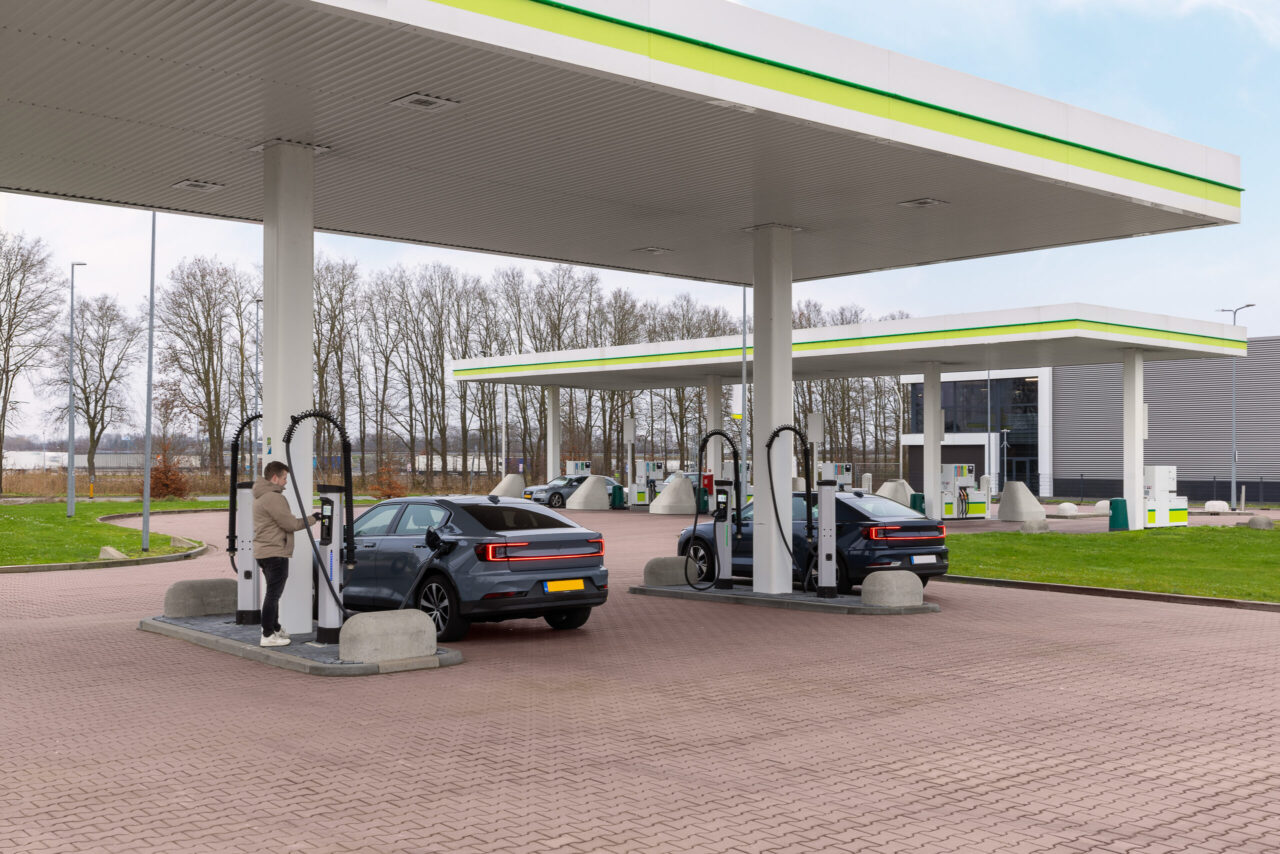
As forecourts expand into electric vehicle charging, payment systems must adapt to new requirements. Charging sessions differ significantly from traditional refuelling, with longer dwell times and more complex pricing structures.
When it comes to EV charging, customers expect clarity at every stage of the process, from understanding costs before a session begins to monitoring usage and receiving a clear summary upon completion, with the same ease of payment experienced elsewhere on the site.
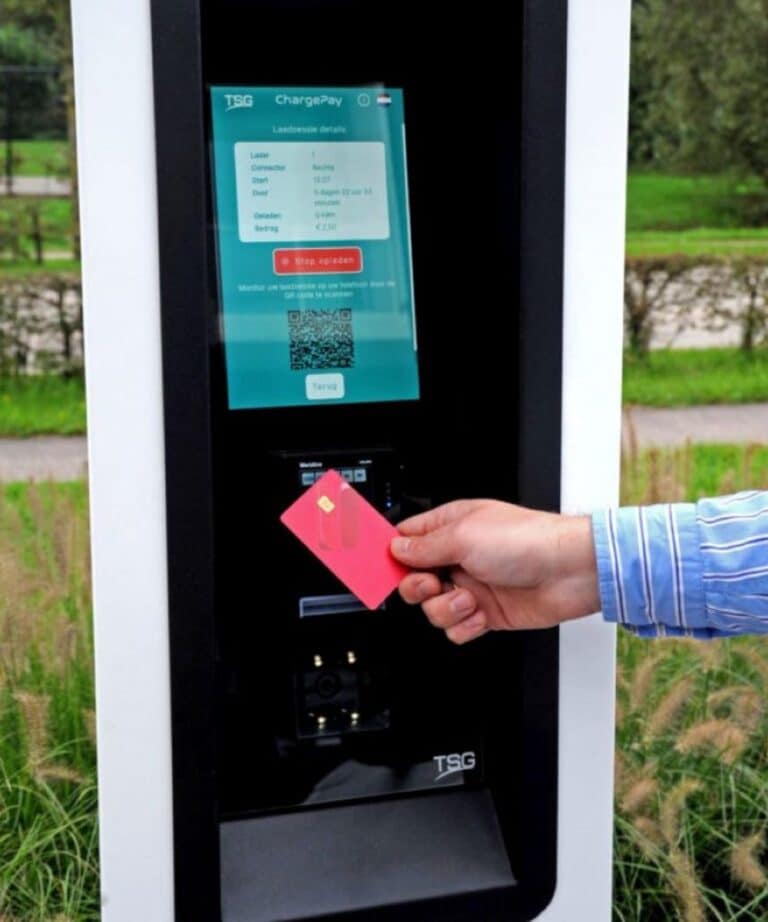
TSG’s ChargePay has been developed with these expectations in mind, supporting a wide range of payment methods, including card and mobile, without requiring app-only access, keeping the process simple and reducing barriers to use.
A strong emphasis on transparency ensures that costs are displayed clearly, with digital receipts providing a complete breakdown of each session, and integration with wider site systems allows operators to manage transactions, reporting and performance centrally, keeping EV activity aligned with the rest of the business.
This consistency is essential as forecourts evolve into multi-energy hubs. Customers should experience the same simplicity whether they are paying for fuel or electricity, reinforcing trust across every service.
Turning wash into a stronger revenue stream
Payment may drive the overall experience, but its influence extends directly into revenue-generating services such as vehicle wash.
Car wash facilities remain a valuable asset for forecourt operators, but their success depends on ease of use and reliability. Customers are far more likely to engage when the process is simple, intuitive and fast.
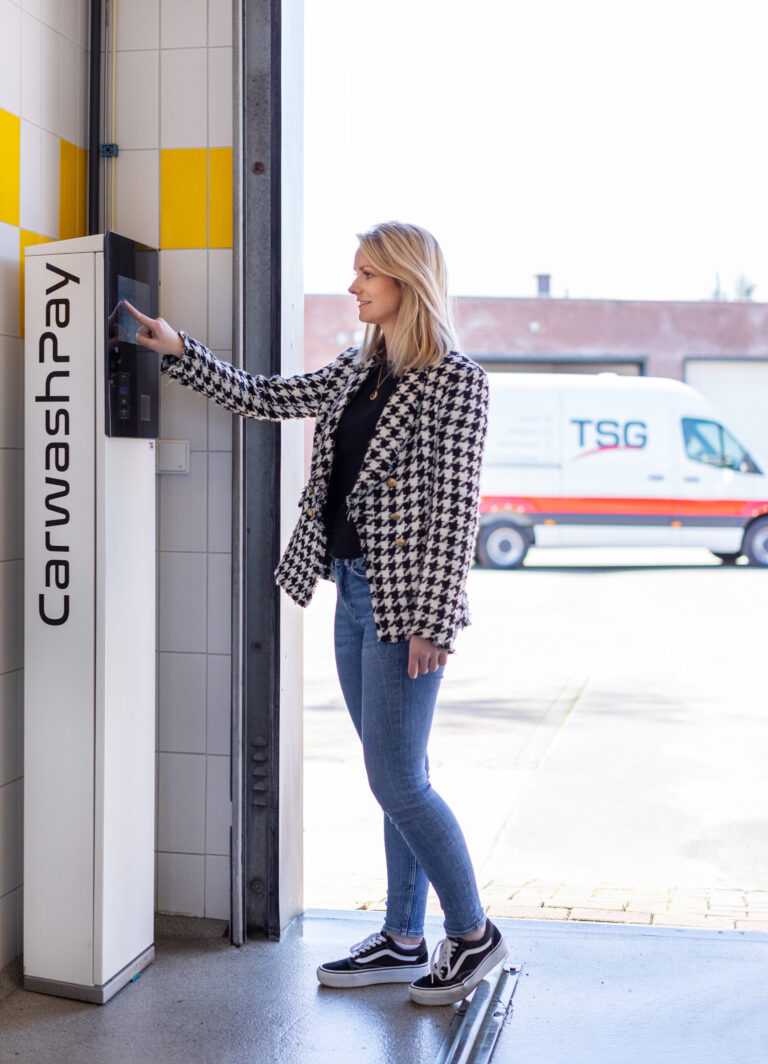
TSG’s CarwashPay addresses this by putting customers in direct control of the experience. Through a clear touchscreen interface, users can select programmes and complete payment quickly, creating a smooth process from arrival to activation. Integration with site systems allows operators to manage pricing, promotions and programme settings with precision, supporting both day-to-day operation and targeted campaigns.

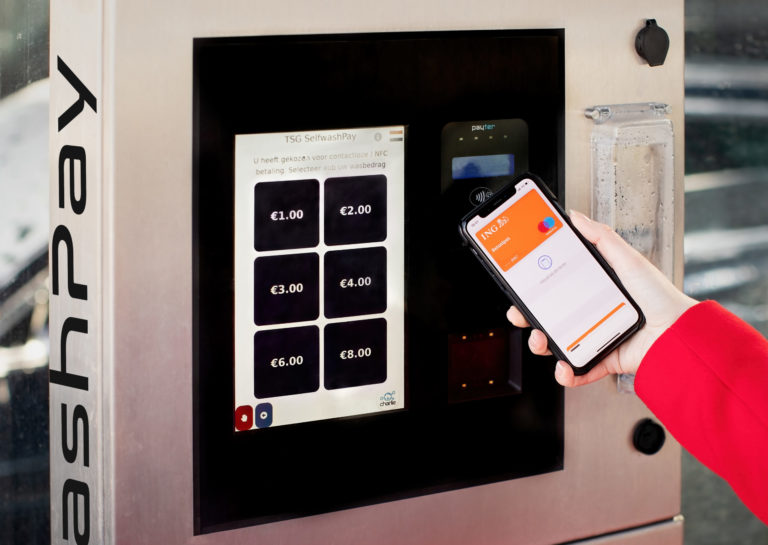
For self-service bays, SelfwashPay provides the same level of flexibility. Customers can pay using contactless or mobile methods, ensuring consistency across all wash options. That matters. When customers understand how to use one service, they are more confident engaging with others.
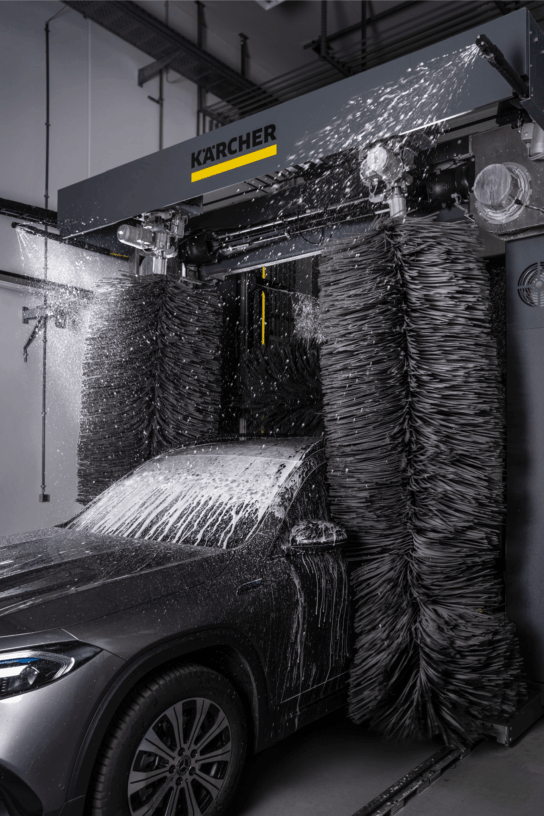
Kärcher wash systems, delivered and maintained by TSG, enhance this offer by combining performance, reliability and efficiency. High-throughput gantry systems suit busy sites, while compact jet wash solutions provide flexibility for smaller locations. Many systems incorporate water recycling and energy-efficient design, helping operators reduce running costs and align with sustainability goals.
Maintaining this performance over time depends on consistent system reliability, with well-maintained wash equipment ensuring dependable operation and protecting revenue, supported by planned preventative maintenance that identifies issues early, minimises downtime and sustains a high standard of service across every site.
Supporting new services through TrovrQube
As the forecourt continues to evolve, operators are expanding beyond traditional fuel and retail, introducing new services that demand the same level of simplicity and efficiency. Deposit Return Schemes are one example, creating opportunities to increase footfall and engage customers in new ways.
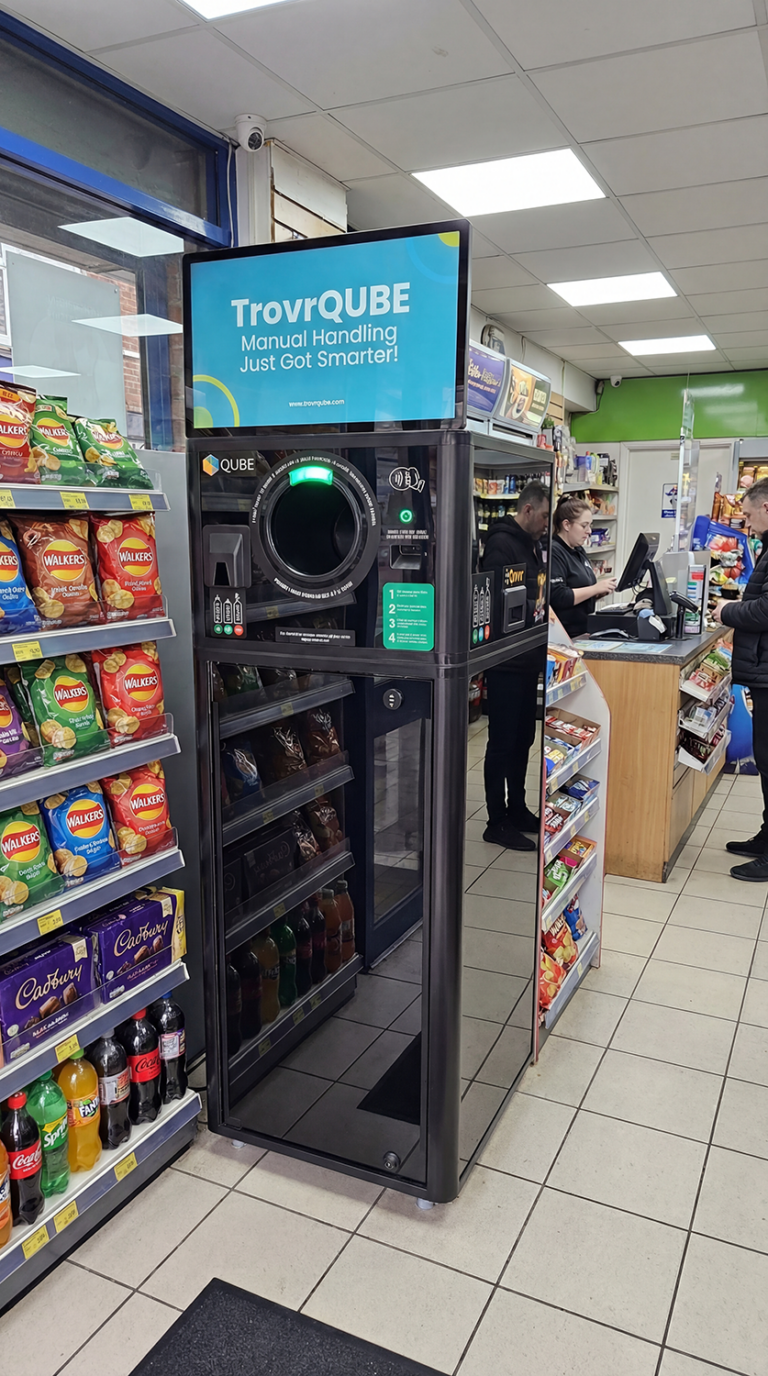
The TrovrQUBE offers a practical solution for forecourts that need to participate without committing to large, complex equipment. Its compact footprint allows it to fit easily into store environments, and its automated process removes the need for manual handling.
Customers place containers into the unit, which verifies and registers each item before issuing a digital refund through the Trovr platform. This creates a clean, self-service experience that reduces pressure on staff and keeps queues moving.
Beyond compliance, the TrovrQUBE introduces new opportunities for engagement. Through the Trovr App, retailers can link recycling activity to promotions and loyalty rewards, encouraging customers to shop in-store. Real-time data provides visibility of usage and storage levels, helping operators manage the process efficiently.
For forecourts with limited space or resources, this approach offers a straightforward way to support sustainability and enhance the customer experience.
A connected future for forecourts
Across payment, wash and emerging services, a consistent theme is clear: integration delivers value.
Disconnected systems create friction for customers and operators. Connected platforms bring clarity, allowing every part of the forecourt to work together. Payment becomes a unifying layer that supports efficiency, security and growth.
This joined-up approach reflects a broader shift across the industry, where payment technologies are combined with engineering expertise, installation and ongoing support to deliver solutions that perform reliably in real-world environments. From single independent sites to national networks, systems can be scaled and adapted as operational needs evolve.
The forecourt of the future will continue to diversify, incorporating new energy sources, retail offers and customer services. As it does, the role of payment will continue to expand.
For customers, the best experience will be one that feels effortless from start to finish. For operators, success will come from systems that simplify complexity while delivering clear commercial benefits.
When payment is treated as more than a transaction, it becomes a powerful driver of performance across the entire site.