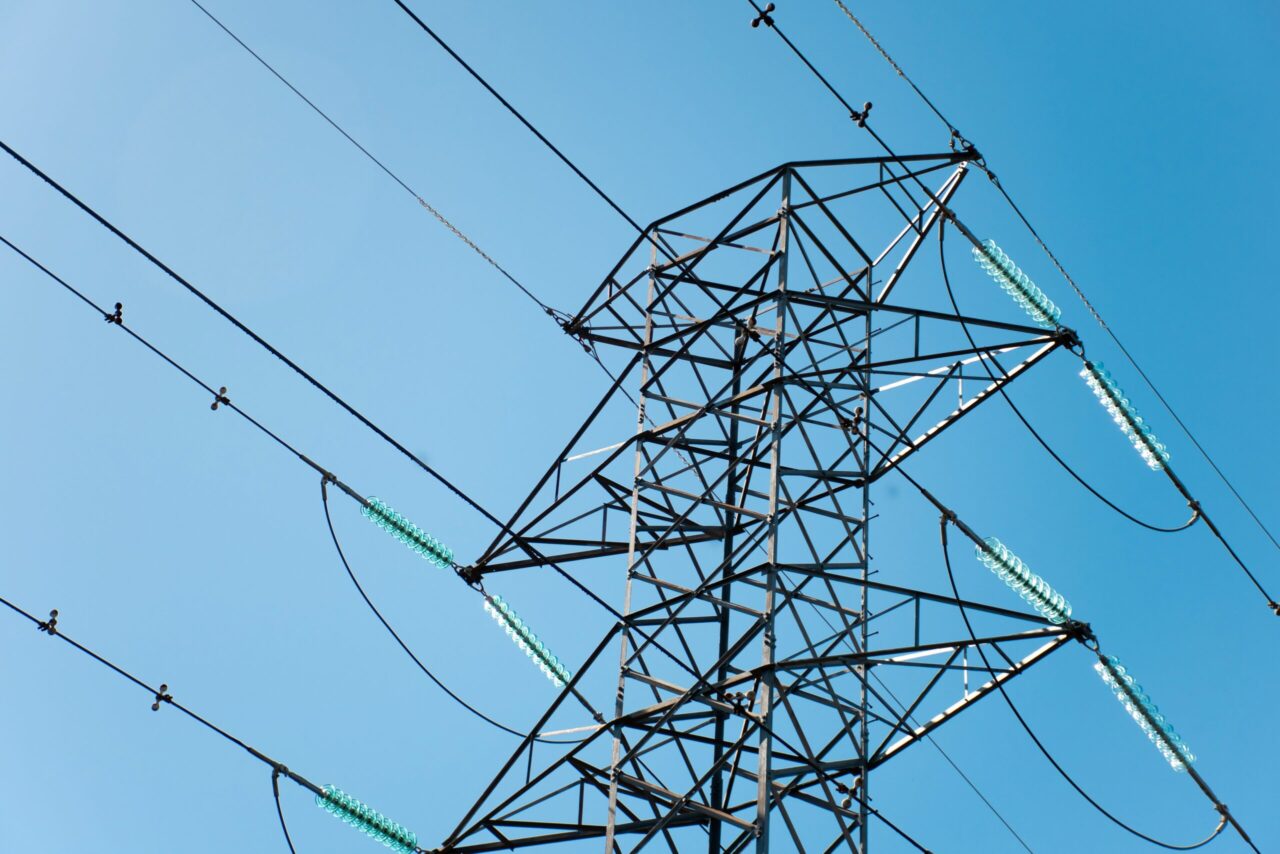
Unlocking Control with Microgrids, Smart Grids and Private Wire Networks
By Cheryl Ashton, Marketing Coordinator, TSG UK
Growing pressure on the UK’s energy infrastructure is prompting businesses to rethink how power is secured and managed. This article explores how emerging systems are enabling greater resilience, flexibility and control in a rapidly evolving energy landscape.
As the UK moves deeper into electrification, the way power is generated, distributed and controlled is undergoing a fundamental shift. What was once a straightforward relationship between supplier and consumer is evolving into something far more dynamic, where businesses are actively shaping their own energy strategies.
Pressure on the grid, rising demand and the need for greater resilience are all accelerating this change. In response, new approaches are emerging that allow organisations to move beyond passive consumption and take greater control of how power is secured and managed.
Among these are microgrids, smart grids and private wire networks. Each presents a different route towards flexibility, efficiency and long-term resilience, yet they are often misunderstood or used interchangeably. In reality, they serve distinct purposes, suit different operational environments and offer unique advantages when deployed correctly.
Understanding how they differ and where they add value is becoming increasingly important for businesses planning their future infrastructure.
A Changing Energy Model
Energy is no longer simply about connection. It is about control, availability and long-term performance.
Across the UK, organisations are facing increasing constraints on grid capacity and connection timelines. At the same time, electrification is placing greater demands on existing infrastructure, particularly in logistics, manufacturing and data-driven industries.
This convergence is forcing a shift in thinking; instead of relying solely on centralised supply, businesses are exploring ways to generate, distribute and manage energy closer to where it is used.
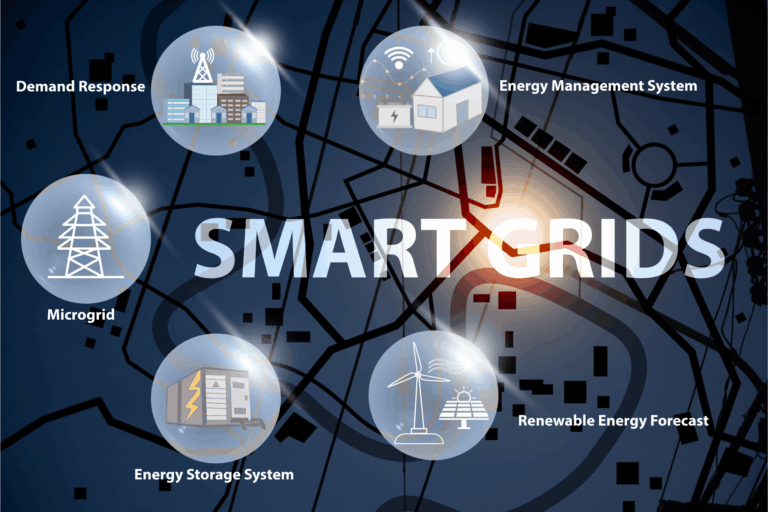
Microgrids, smart grids and private wire networks sit within this broader transition. Each plays a role in decentralising energy systems, reducing reliance on traditional models and introducing new levels of flexibility.
What Is a Microgrid?
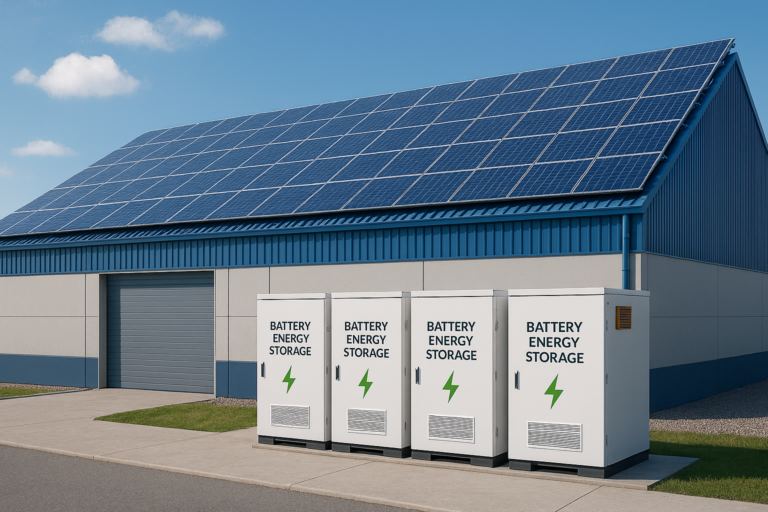
A microgrid is a localised energy system designed to serve a defined area, such as an industrial site, campus or business park. It brings together on-site generation, energy storage and distribution infrastructure into a single, coordinated system.
What sets a microgrid apart is its ability to operate independently. While it can remain connected to the national grid under normal conditions, it can also disconnect and continue operating if the wider network experiences disruption.
This capability is particularly valuable in environments where continuity of supply is critical. Facilities with high operational dependency, such as manufacturing plants or distribution hubs, benefit from the ability to maintain power even during external outages.
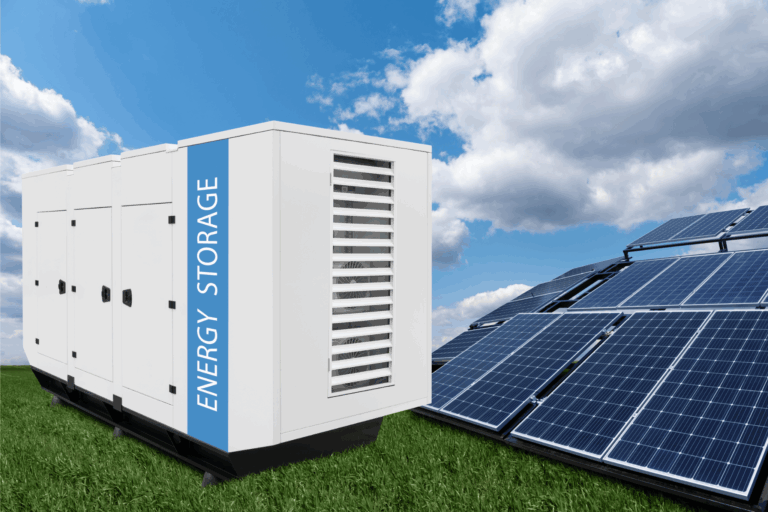
Microgrids are commonly built around renewable generation, most often solar, supported by battery storage. Intelligent control systems balance generation, storage and demand in real time, ensuring that energy is used efficiently across the site.
Why Businesses Are Turning to Microgrids
The appeal of microgrids lies in their ability to deliver resilience and control together in a single solution.
For businesses operating in areas where grid reliability is a concern, a microgrid provides a layer of security that traditional connections alone cannot offer. Power can continue to flow to critical operations even when the wider network is under strain.
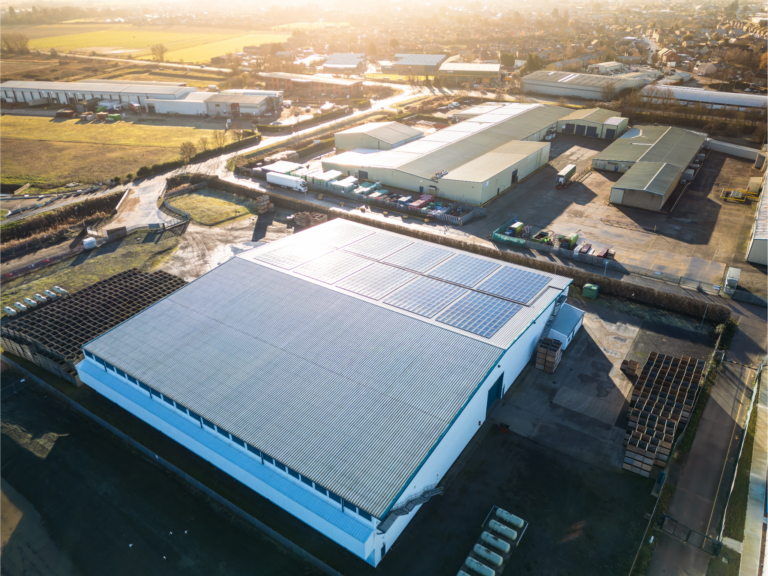
There is also a clear commercial advantage. By generating energy on site and managing usage, organisations can reduce exposure to fluctuating energy prices and peak-demand charges. Over time, this contributes to a more predictable cost base.
Microgrids also support sustainability objectives by enabling greater use of renewable energy. As businesses look to reduce carbon emissions and meet environmental targets, the ability to produce and manage low-carbon electricity locally becomes increasingly valuable.
What Is a Smart Grid?
While a microgrid focuses on a specific location, a smart grid operates on a much broader scale.
A smart grid is an enhanced electricity network that uses digital systems, sensors and real-time data to manage the flow of energy more effectively. It builds intelligence into the wider grid, allowing supply and demand to be continuously monitored, adjusted and optimised.
Traditional grids operate in a largely one-directional manner, delivering electricity from central generation to end users. Smart grids introduce two-way communication, enabling both energy and information to move between suppliers and consumers.
This creates a more responsive system, capable of adapting to changes in demand, integrating renewable generation and improving overall efficiency.
The Role of Smart Grids in Modern Energy Systems
Smart grids are essential as the energy landscape becomes more complex.
The growth of renewable generation, electric vehicles and decentralised energy systems introduces variability that traditional networks were not designed to handle. Smart grids provide the visibility and control needed to manage this complexity.
They allow operators to detect issues quickly, respond to demand spikes and balance energy flows across large areas. For businesses, this translates into a more stable and efficient supply environment.
Smart grids also enable more active participation from energy users. Organisations can adjust consumption in response to price signals, integrate their own generation and interact more directly with the wider system.
What Is a Private Wire Network?
A private wire network takes a different approach again, focusing on ownership and control of infrastructure rather than operational independence or digital optimisation.
In simple terms, a private wire network is a dedicated electrical connection that supplies power directly between a generation source and a consumer, or across a privately controlled site.
Unlike a microgrid, it does not typically operate independently of the main grid. Instead, it remains connected while allowing energy to be distributed internally without relying on public networks for every transaction.
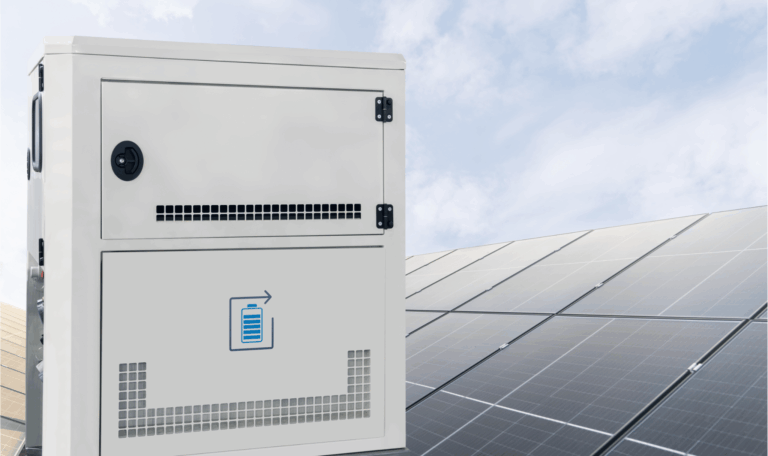
Private wire networks are often used on large or complex sites where multiple buildings or operations require a consistent and controlled power supply. They can also connect on-site generation, such as solar installations, directly to demand without exporting energy to the grid first.
Where Private Wire Networks Add Value
The key advantage of a private wire network is control.
By managing their own infrastructure, businesses can distribute energy across their operations more efficiently, avoiding some of the constraints and costs associated with external networks. This is particularly beneficial where energy demand is high or when operations occupy a large footprint.
Private wire arrangements also help maximise the value of on-site generation. Energy can be used directly where it is needed, reducing import requirements and limiting exposure to external price volatility.
While they do not offer the same level of autonomy as microgrids, they provide a practical and effective way to create a more self-sufficient energy environment within a connected framework.
Understanding the Differences
Although these three approaches are often grouped, their differences are defined by scale, control and purpose.
Microgrids are local and flexible, designed to operate both with and without the main grid. Their strength lies in resilience and the ability to maintain supply independently.
Smart grids are large-scale and data-driven, focused on improving electricity management across entire regions. Their value comes from optimisation, efficiency and system-wide intelligence.
Private wire networks sit somewhere in between, offering control over distribution within a defined environment while remaining connected to the wider grid.
In many cases, these systems are not alternatives but complementary solutions. A microgrid can operate within a smart grid environment, while a private wire network can form part of a wider energy strategy alongside both.
When Should Each Be Used?
The choice between these approaches depends largely on operational priorities and site characteristics.
Microgrids are well suited to sites where continuity of supply is critical or where grid constraints limit reliability. They are particularly effective for facilities with high energy demand and opportunities for on-site generation.
Smart grids are not typically something a single business installs, but organisations benefit from operating within one. They are most relevant where advanced monitoring, demand response and integration with wider systems are required.
Private wire networks are ideal for large developments, campuses or industrial estates where energy must be distributed efficiently across multiple assets. They provide a practical route to improving control without requiring full independence from the grid.

A Market Gaining Momentum
Across the UK, interest in these approaches is growing.
Grid constraints, connection delays and the ongoing shift towards electrification are prompting organisations to explore alternatives earlier in the planning process. At the same time, falling costs for solar and battery storage are making decentralised solutions more accessible.
What was once considered a specialist solution is now becoming part of mainstream infrastructure planning.
For forward-thinking businesses, this presents a clear opportunity. Early adopters are better positioned to secure capacity, control costs and build resilience into their operations from the outset.
The Role of TSG Power
With established expertise across high-voltage infrastructure, grid connections, solar and battery storage, TSG Power is already operating at the core of this transition.
The move into microgrids, smart grid integration and private wire networks is a natural progression. These systems build on existing capabilities, bringing together generation, storage and distribution into fully coordinated solutions.
From initial design through to delivery and ongoing support, TSG Power can help businesses develop infrastructure that is aligned with both current demands and future growth. Whether supporting a microgrid deployment, integrating smart systems or designing a private network, the focus remains the same: creating resilient, efficient and scalable energy environments.
Looking Ahead
Energy systems are becoming more decentralised, more intelligent and more responsive.
Microgrids, smart grids and private wire networks are not passing trends; they represent a shift in how power is thought about, moving from a fixed utility to a strategic asset.
For businesses willing to engage early, the opportunity is significant. Greater control, improved resilience and long-term cost stability are all within reach.
The challenge is no longer whether to explore these solutions, but how quickly they can be integrated into future planning.
Click here for more information on Microgrids, Smart Grids and Private Wire Networks