By Cheryl Ashton, Marketing Coordinator, TSG UK
Across the forecourt industry, a reliable wash facility remains one of the most effective ways to attract customers and secure repeat business. Drivers expect a fast, consistent and efficient wash every time, and any lapse in performance quickly pushes them towards a competitor. For operators, maintaining high standards demands more than good equipment. It requires a structured approach to service, maintenance and daily care.
A wash system is exposed to constant use, changing weather conditions and the steady accumulation of road debris. Without routine upkeep, performance soon declines, creating longer queues, dissatisfied customers and a visible impact on the wider site. Operators who prioritise maintenance protect revenue and safeguard their forecourt’s reputation.
Nicky Gallazi, Business Development Manager at TSG UK, highlights the importance of taking a proactive approach. “A wash system is a core revenue stream for many forecourts. When it stops, the financial impact is immediate. Planned maintenance gives operators certainty. It keeps equipment dependable and ensures customers always receive the quality wash they expect.”
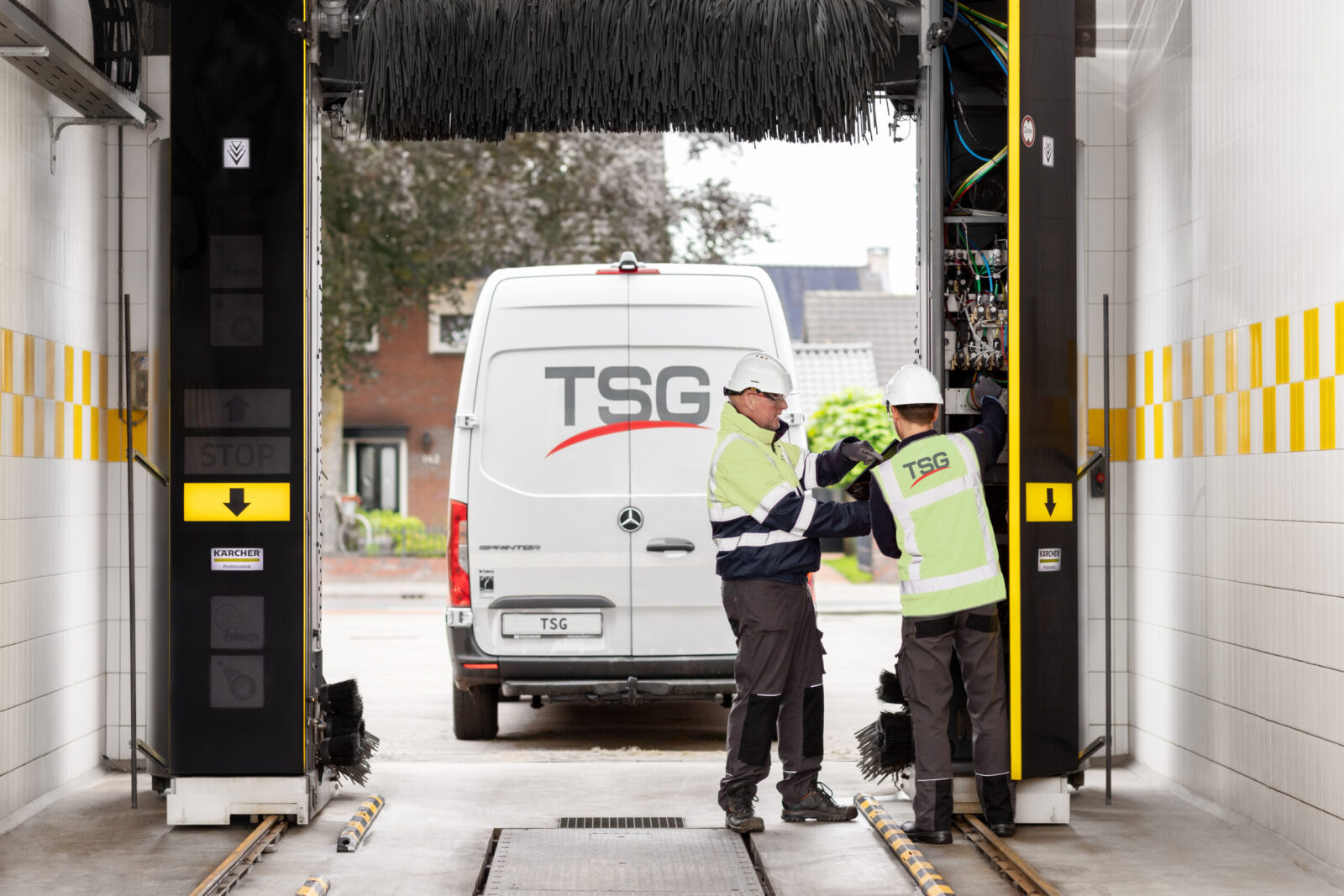
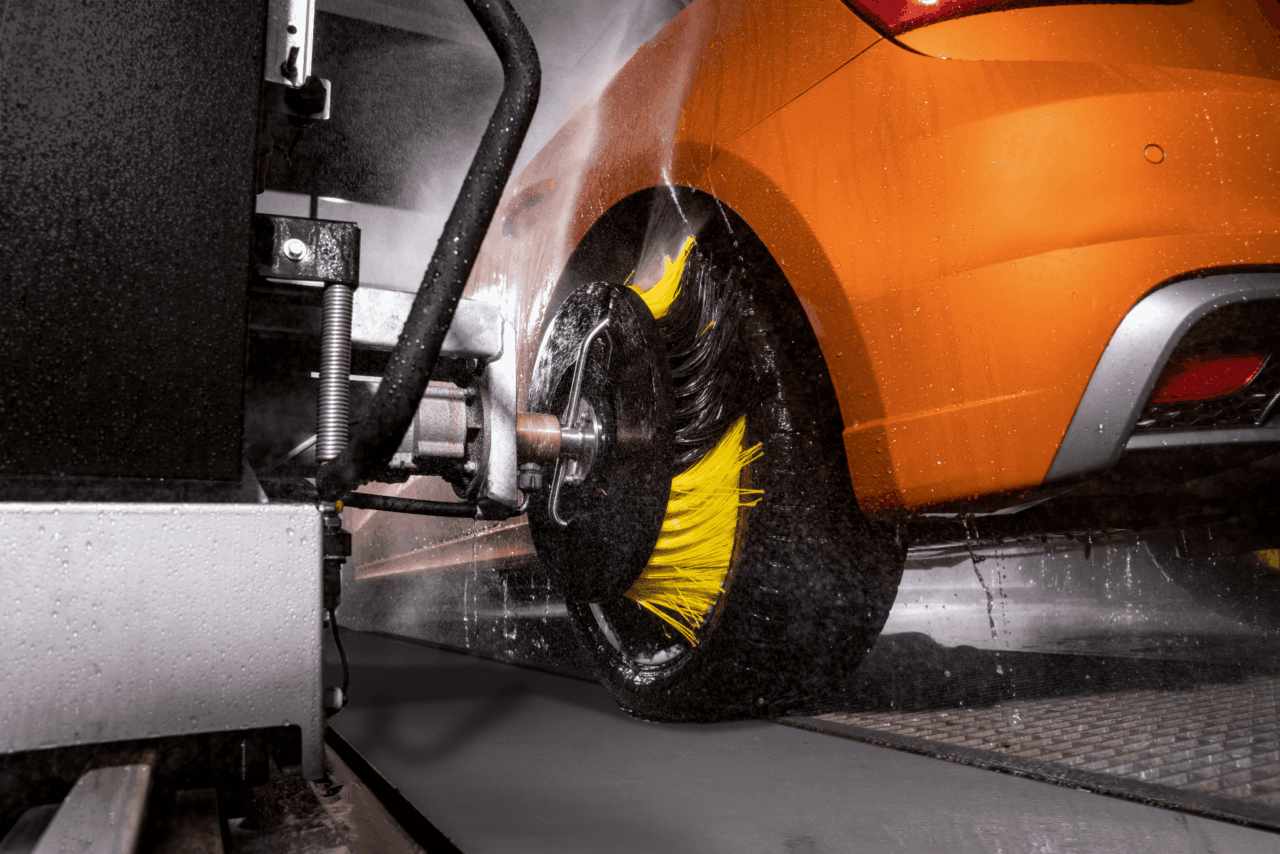
Daily checks carried out by forecourt teams form the first line of defence. Basic steps such as inspecting brushes, confirming detergent levels, clearing drains and running a quick test wash help identify emerging issues before they escalate. These small tasks take only a few minutes yet play a vital role in keeping equipment safe, presentable and ready for service.
Planned preventative maintenance (PPM) provides the deeper protection that busy wash sites need. Regular visits from trained technicians keep machinery in optimal condition, extend equipment lifespan and reduce the likelihood of sudden breakdowns. For forecourts operating at peak periods, this structured approach offers predictable budgeting and supports a smooth, uninterrupted customer experience.
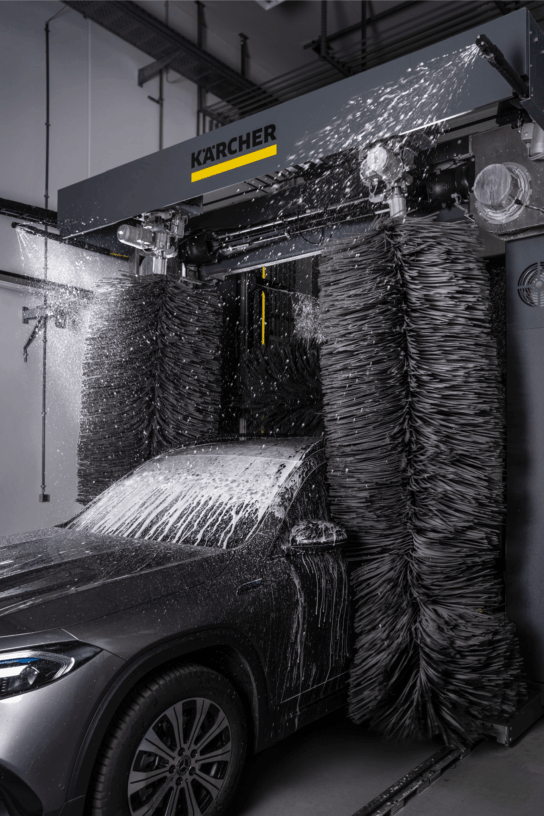
By contrast, a reactive approach often leads to longer outages, higher repair costs and avoidable disruption. When equipment fails unexpectedly, it is not only wash revenue that suffers. Customer satisfaction across the entire forecourt can decline, particularly if queues form or if the wash area appears neglected. In a competitive market, the visual presentation of the wash bay matters as much as performance. Clean, well‑maintained equipment reassures customers that the site takes pride in its facilities.
Although many operators opt to work with specialised maintenance providers, the core principles of an effective PPM program remain consistent throughout the industry. Regular inspections by trained wash technicians help identify wear, protect vital components, and ensure the system operates safely. Access to appropriate replacement parts also helps reduce downtime, allowing repairs to be completed quickly and efficiently.
Alongside scheduled visits, many suppliers now offer remote troubleshooting to help forecourts resolve minor issues quickly. This blend of planned maintenance, responsive support and ongoing technical guidance has become a common framework for keeping wash facilities reliable throughout the year, regardless of site size or throughput.
Environmental performance is also a growing focus for forecourt operators. Modern wash systems increasingly incorporate high levels of water recycling to reduce consumption and support compliance with environmental expectations. The careful selection of detergents and chemicals further contributes to safe and responsible operation, helping sites balance performance with sustainability.