The Perfect Pair for Energy Resilience
By Cheryl Ashton, Marketing Coordinator, TSG UK
Why combining solar PV and battery storage is becoming essential for modern businesses
Electricity was a predictable operational cost for many years. It arrived when needed, prices remained relatively stable and continuity of supply was largely taken for granted. Rising energy costs, pressure to reduce carbon emissions and increasing scrutiny of sustainability commitments have transformed that landscape, elevating energy from a routine overhead to a strategic business concern.
As organisations across the UK search for ways to strengthen resilience and improve financial performance, two technologies are emerging as a powerful partnership: solar photovoltaic (PV) systems and battery energy storage systems (BESS).
Individually, both technologies offer significant benefits. Together, they create a smarter, more resilient energy ecosystem that enables businesses to generate, store and use electricity on their own terms.
For many organisations, combining solar and battery storage is no longer simply an environmental initiative. It is becoming an essential part of a long-term strategy to control costs, protect operations and achieve greater energy independence.
The challenge facing UK businesses
The UK’s energy landscape continues to evolve at pace. Demand for electricity is increasing as organisations electrify vehicle fleets, install charging infrastructure and adopt more sophisticated technologies across their operations. At the same time, businesses must contend with fluctuating energy prices, changing environmental regulations and growing stakeholder expectations around sustainability.
For energy-intensive industries such as manufacturing, logistics, distribution, retail and cold storage, these pressures can significantly affect profitability. Many organisations are therefore asking the same question: how can they reduce dependence on the grid while maintaining reliable access to power? The answer lies in generating electricity on site and managing it more intelligently, so businesses can take greater control of both their energy costs and long-term resilience.
Why solar remains one of the smartest investments
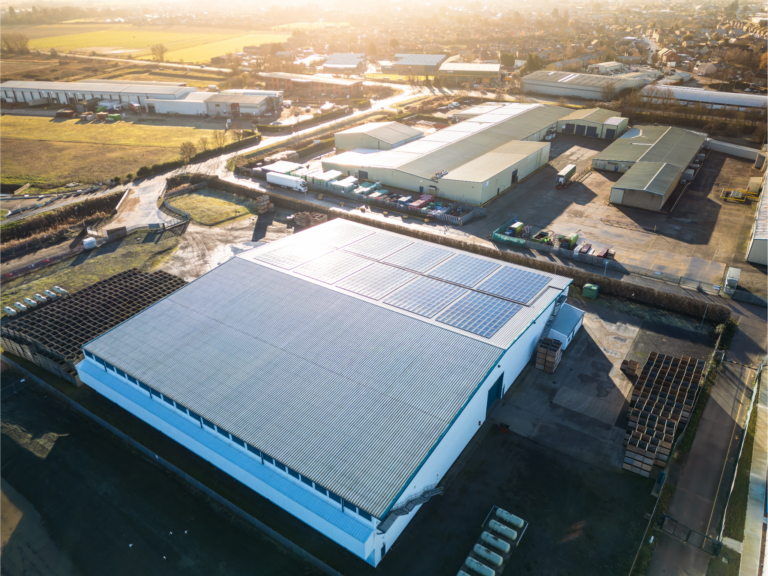
Solar PV has become one of the most accessible and cost-effective renewable technologies available to commercial and industrial organisations.
Over the past decade, advancements in solar technology and falling equipment costs have transformed the financial viability of solar installations. What was once perceived as a substantial investment with uncertain returns is now widely recognised as a proven route to lower energy costs and reduced carbon emissions.
For businesses with large rooftops, car parks or available land, solar provides an opportunity to convert underutilised space into a productive asset.
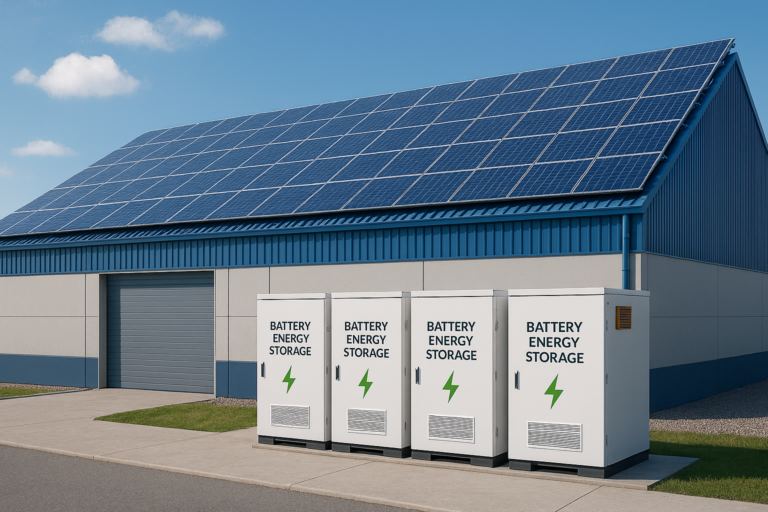
The electricity generated can power day-to-day operations, reducing the amount of energy purchased from the grid and shielding the organisation from future price volatility. In sectors with significant daytime energy demand, the benefits can be considerable.
Yet despite these advantages, solar generation naturally fluctuates throughout the day and drops off overnight. Without a way to retain surplus electricity, organisations may export valuable renewable energy during sunny periods only to buy it back from the grid later. This is where battery storage becomes transformative, allowing energy generated on site to be stored and used when it delivers the greatest benefit.

Unlocking the full value of solar
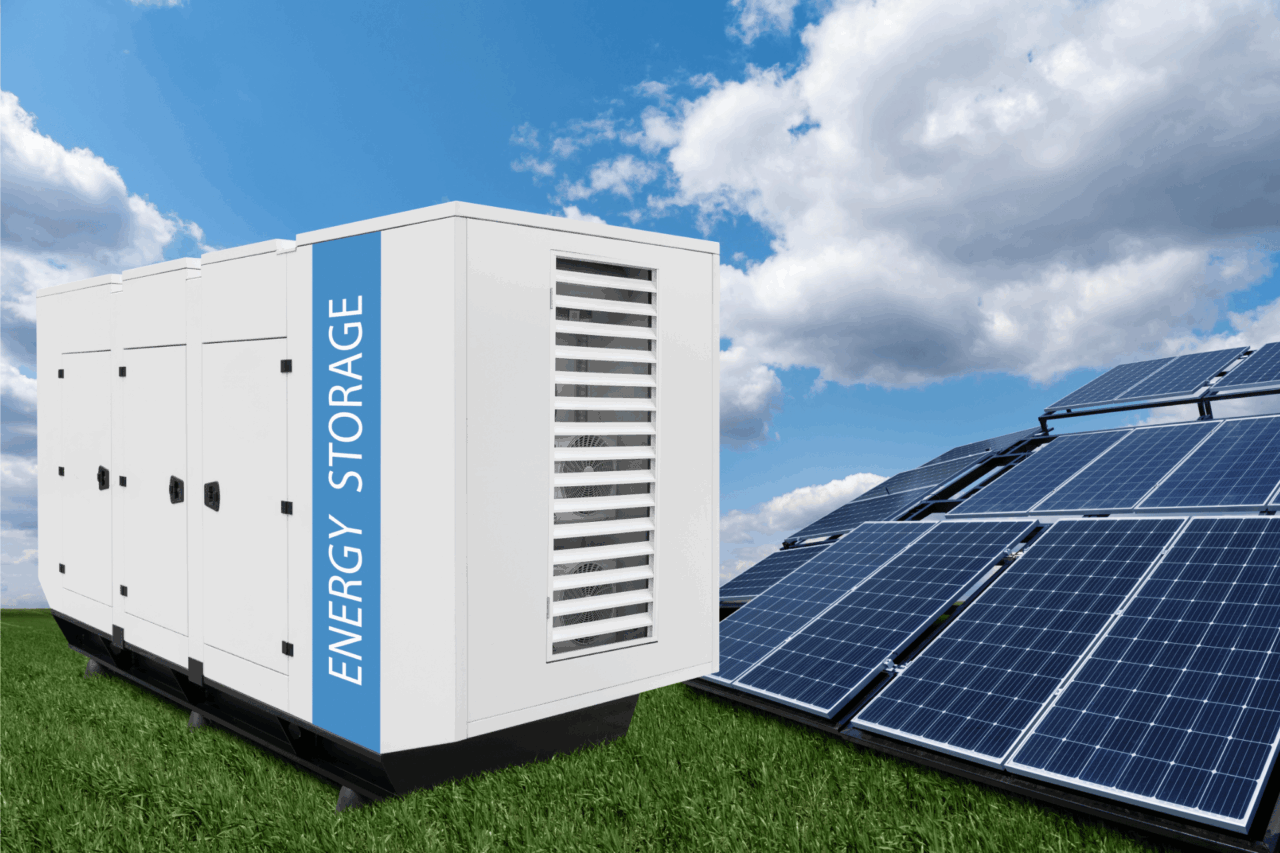
Battery energy storage systems allow businesses to capture excess electricity generated by solar panels and store it for later use. Rather than allowing valuable renewable energy to leave the site, organisations can retain it and deploy it when it delivers the greatest benefit. Electricity generated during sunny periods can be stored and used later in the day when demand remains high, allowing businesses to continue benefiting from renewable energy after sunset, during cloud cover or when electricity prices rise.
This ability to shift energy consumption is one of the key reasons why battery storage has become such an important commercial investment. Instead of being constrained by generation patterns or tariff fluctuations, organisations gain greater control over when and how they use electricity, maximising the value of every kilowatt-hour generated on site. Simply put, solar produces the energy and battery storage ensures it remains available when it is needed most.

Strengthening resilience in an unpredictable world
Cost savings often drive solar adoption, but resilience has become an equally compelling consideration. Modern organisations rely heavily on electrical infrastructure, from manufacturing equipment and refrigeration systems to data networks and automated production lines, meaning even a brief interruption can have significant operational and financial consequences. While widespread outages remain uncommon, many businesses are becoming aware of the risks of grid dependency. Battery storage helps address these concerns by providing additional protection, supporting critical operations during power disturbances and helping maintain continuity when external supply conditions become less predictable.
The ability to maintain power during disruptions is particularly valuable in sectors where continuity is critical. Cold storage facilities depend on constant refrigeration to protect stock, distribution centres rely on automated systems to keep goods moving and manufacturers require uninterrupted production to meet customer demand. In these environments, resilience is not simply desirable; it is every bit as important as cost reduction.

Smarter energy management
The benefits of solar and battery storage extend well beyond backup power. Together, they enable organisations to adopt more sophisticated energy management strategies that improve efficiency and reduce costs. Battery storage lets organisations store electricity when generation is high and use it when demand peaks, reducing reliance on expensive peak-time electricity.
Storage systems can also support peak-shaving strategies by reducing the amount of power imported from the grid during periods of highest demand. This creates a more flexible and efficient energy profile, helping organisations optimise electricity consumption while accelerating the return on investment from both solar and storage infrastructure.

Supporting sustainability goals with measurable results
Sustainability remains a major driver behind renewable energy investment. Customers, investors and supply chain partners expect organisations to demonstrate measurable progress towards environmental targets, while reporting requirements continue to place greater emphasis on transparency and accountability.
Solar PV offers an immediate and practical way to reduce carbon emissions by generating clean electricity on site and reducing reliance on grid-supplied power. Battery storage strengthens these benefits by ensuring more of that renewable energy is used rather than exported. Together, solar and battery storage help organisations maximise self-consumption, reduce fossil fuel dependence and make meaningful progress towards net-zero objectives. Just as importantly, they provide visible evidence that sustainability commitments are being translated into tangible action.
Creating a pathway to energy independence
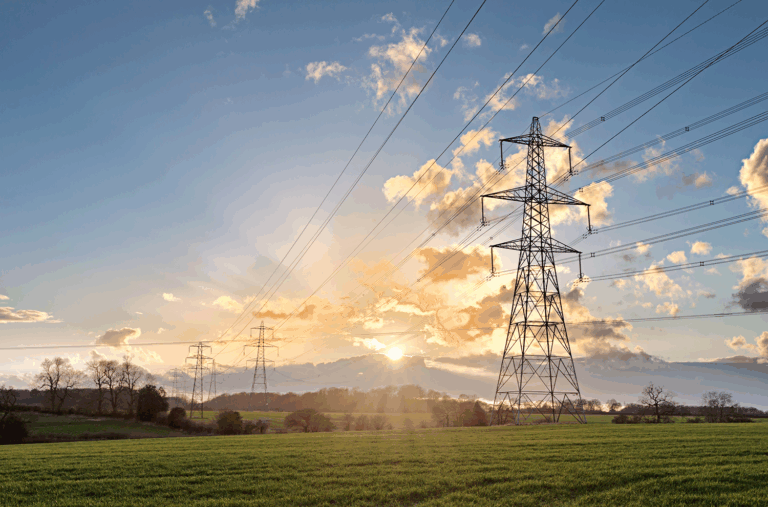
Complete independence from the grid may not be realistic for every organisation, but greater energy autonomy is now becoming achievable. By generating electricity on site and storing surplus production, businesses can reduce their reliance on external energy providers, creating greater certainty around future operating costs while strengthening protection against market volatility.
The benefits are more significant for organisations operating across multiple sites, where a carefully planned solar and storage strategy can deliver consistent performance and support future expansion. Rather than being viewed solely as an energy project, solar and battery storage should be considered a strategic investment that balances financial, operational and environmental objectives.
The importance of the right infrastructure
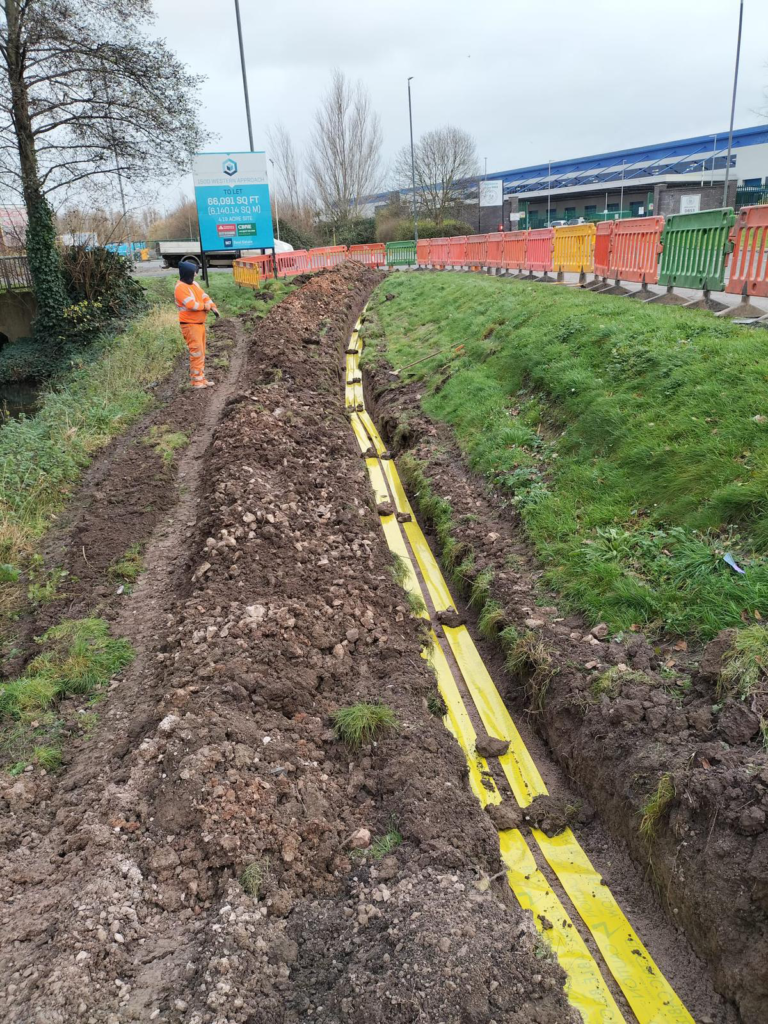
Extracting the full value from solar and battery storage requires more than simply installing equipment. Every site has unique energy demands, operational requirements and infrastructure constraints, so solutions must be carefully designed to deliver optimum performance and return on investment.
This becomes particularly important where grid upgrades or high-voltage connections are required. As a specialist engineering, procurement and construction contractor and fully accredited Independent Connection Provider (ICP), TSG supports every stage of the energy transition, from feasibility studies and site assessments through to solar installation, battery deployment and high-voltage connections. This coordinated approach simplifies project delivery while helping organisations build the infrastructure needed to support future growth, electrification and evolving energy demands.
Looking beyond today's energy challenges
The transition to renewable energy is about more than reducing carbon emissions. It is about creating a more resilient and sustainable future for businesses operating in an unpredictable world.
Solar PV and battery energy storage systems have emerged as one of the most effective ways to achieve that objective. Solar provides clean, low-cost electricity, while battery storage ensures that energy remains available when it is needed most. Together they help organisations reduce costs, strengthen operational resilience, improve sustainability performance and move closer to genuine energy independence.
For businesses seeking greater control over their energy future, solar and storage are no longer optional partners. They are the perfect pair.