Why grid connections are the hidden challenge in fleet electrification
By Cheryl Ashton, Marketing Coordinator, TSG UK
Fleet operators across the UK are under increasing pressure to decarbonise. Electric vans, zero-emission buses and battery-powered HGVs are moving from pilot projects to board-level priorities. Yet for many operators, the greatest barrier to progress is not vehicle availability or charging technology. It is access to power.
Electrifying a depot changes its relationship with the grid overnight. Rapid vehicle charging, onsite solar generation and battery storage can push demand far beyond the capacity of an existing connection. In many regions, network constraints and lengthy connection queues are now common. Without early planning, electrification programmes can stall before the first charger is installed.
This is where Independent Connection Providers, or ICPs, play an increasingly important role.
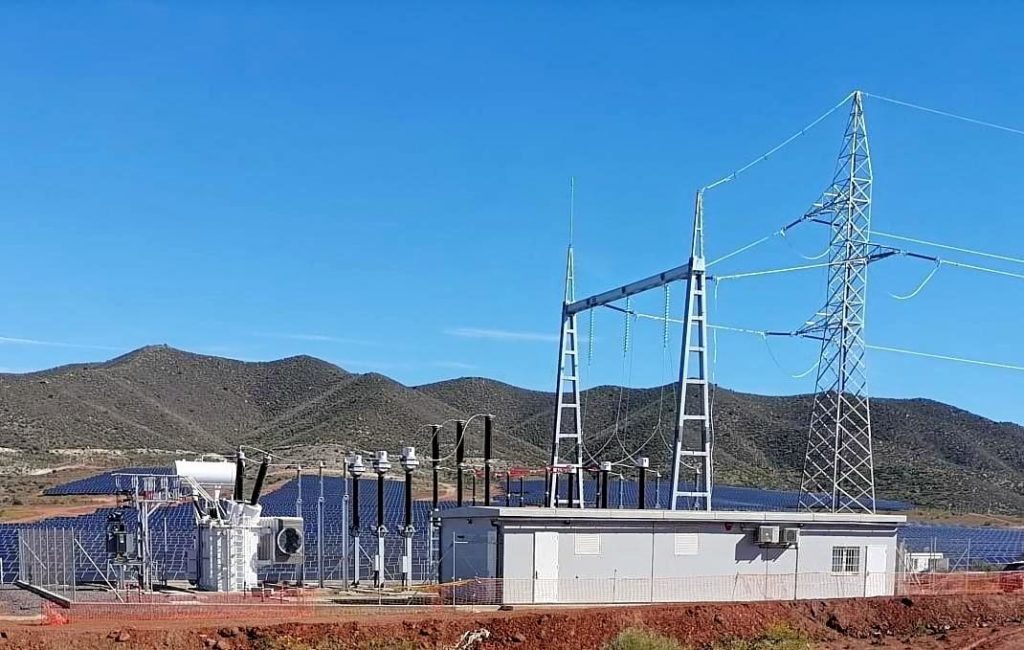
Grid connections are not a single activity. Non-contestable works remain the responsibility of the local Distribution Network Operator, but an accredited ICP can deliver a significant portion of the design and construction process. This includes much of the civil engineering, cabling, substations and associated electrical infrastructure that enable a new or upgraded supply.
For fleet operators, this approach brings practical advantages. Engaging an ICP allows greater influence over timescales, technical design and cost certainty. Rather than waiting in the queue for a single provider, operators can progress contestable works in parallel with vehicle and charger planning, reducing programme risk at depot level.
Accreditation is critical. A NERS-accredited ICP is authorised to design and construct infrastructure that meets the strict requirements of UK network operators. This assurance matters for safety, compliance and long-term reliability, particularly where high-voltage systems and large-scale charging are involved.
Early involvement is the difference between momentum and delay. Load assessments, network modelling and realistic demand forecasting can highlight constraints before they become costly obstacles. For operators rolling out electric fleets across multiple sites, this clarity supports consistent planning and phased investment rather than reactive upgrades.
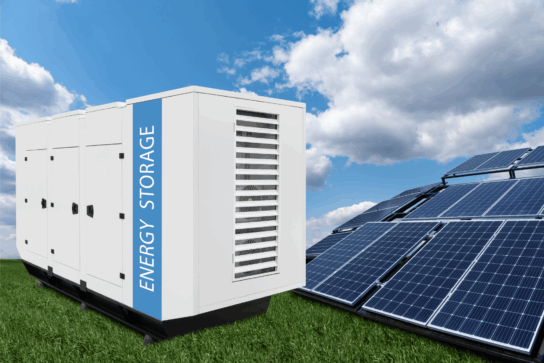
Grid connections also sit at the centre of wider energy strategies. Many operators are combining vehicle charging with rooftop solar and battery storage to manage peaks, reduce operating costs and strengthen resilience. These assets can only deliver their full value if the connection is designed to handle both import and export requirements. An integrated approach to connection design avoids rework later as demand grows.
TSG Power has seen this shift first hand through its work as an accredited ICP supporting logistics and fleet operators nationwide. Projects increasingly focus on future capacity rather than immediate need, ensuring depots are ready for the next phase of electrification rather than the current one.
The conversation around power will feature prominently at UKREiiF 2026 in Leeds, where infrastructure, energy and transport leaders will explore how the UK can support large-scale decarbonisation. For fleet operators, the message is clear. Net Zero is not achieved vehicle by vehicle. It is built into the foundations of each depot.
Those who secure power early, design intelligently and understand the grid as strategic infrastructure will be best placed to keep fleets moving as the transition accelerates.