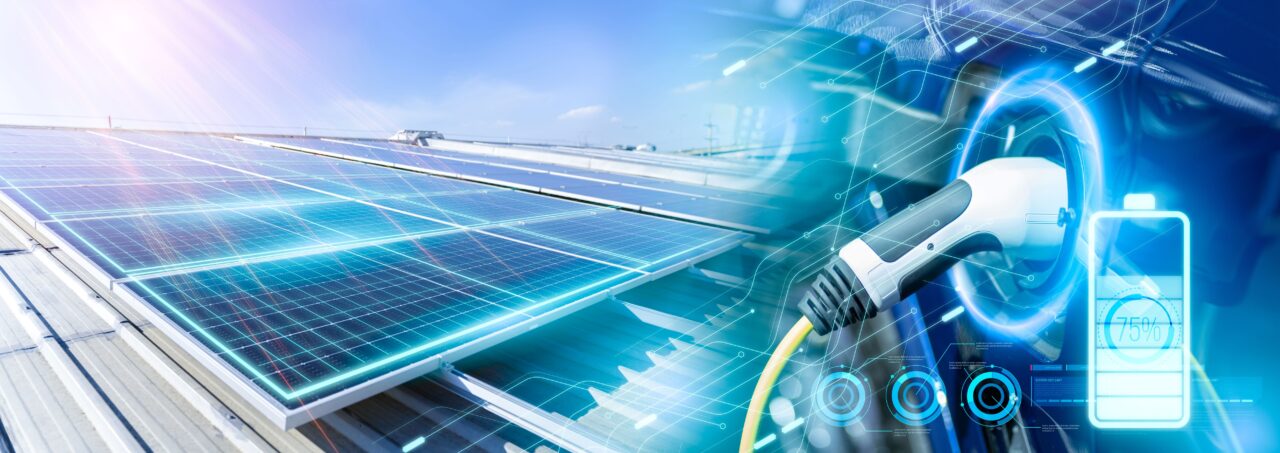
Why EV Infrastructure Now Starts with Energy Strategy
By Cheryl Ashton, Marketing Coordinator, TSG UK
The next generation of commercial developments is being shaped by how energy is generated, stored and managed. As electric vehicle (EV) demand grows, a smart energy strategy has become the foundation of resilient, future‑ready infrastructure.
The electrification of transport is accelerating, reshaping commercial development across the UK. With EV adoption rising steadily and regulatory pressure intensifying, developers, investors and asset owners are being forced to reassess how sites are powered from the ground up. EV infrastructure is no longer a future consideration. It is a defining requirement for modern, competitive developments.
Yet the success of EV infrastructure depends on far more than the number of installed charge points. As energy demand grows and grid capacity tightens, the focus is shifting upstream. How electricity is generated, stored and managed on site now plays a decisive role in determining resilience, performance and long‑term commercial value. Charging infrastructure is only as effective as the energy strategy that supports it.
For forward‑thinking developments, this reframing is already underway. EV charging is being designed as part of an integrated energy ecosystem rather than a standalone asset. By combining renewable generation, battery storage and intelligent load management, commercial sites can meet today’s charging demand
EV Infrastructure in a Constrained Energy Environment
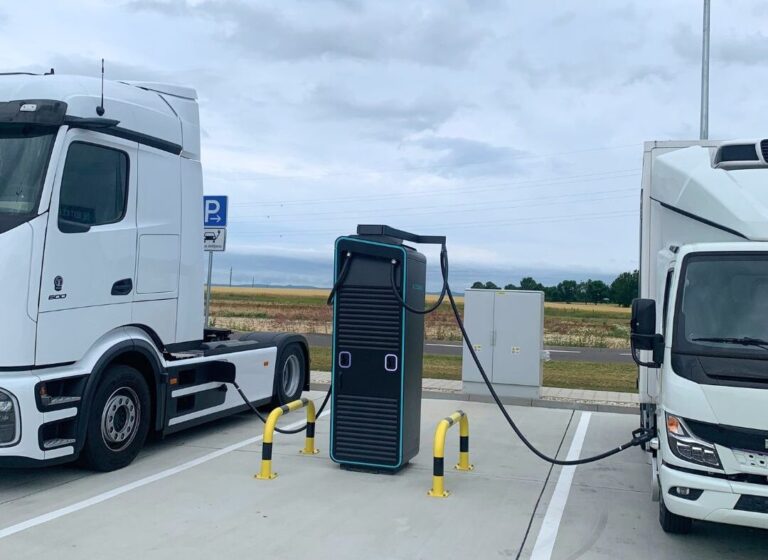
This transition is placing new demands on the UK’s electricity network. Ultra‑fast chargers, fleet depots and destination charging hubs draw significant power, often within concentrated peak windows. At the same time, electrification across heating, logistics and industry is adding further pressure to an electricity system already facing capacity constraints in many regions.
For commercial developments, this reality demands a more considered approach. Energy is no longer a background utility assumed to be unlimited and affordable. It has become an actively managed asset, central to operational continuity, cost certainty and long‑term site viability. Developments that rely solely on imported grid power are increasingly exposed to volatility, connection delays and unpredictable operating costs.
As a result, energy strategy is moving to the centre of planning discussions. Developers are rethinking how sites can generate and manage power locally, reducing dependence on the grid while strengthening resilience.
Solar Power as a Foundation for EV‑Ready Sites
Solar photovoltaic (PV) generation has emerged as one of the most practical and accessible solutions for commercial developments. Rooftops, canopies and adjacent land spaces offer opportunities to produce clean electricity directly where it is needed. For sites with consistent daytime demand, solar generation aligns naturally with energy consumption patterns.
Beyond its financial benefits, solar provides a visible and credible signal of sustainability. On‑site generation reduces emissions at source while providing clear, measurable data for environmental reporting. For developments seeking to demonstrate responsible design and long‑term thinking, solar has become a foundational component rather than a secondary enhancement.
However, solar generation alone does not create certainty. Electricity demand does not always align with daylight hours, particularly for fleet operations, overnight charging or high‑footfall destination sites. To move from clean generation to dependable supply, storage becomes essential.
Turning Renewable Power into a Managed Asset
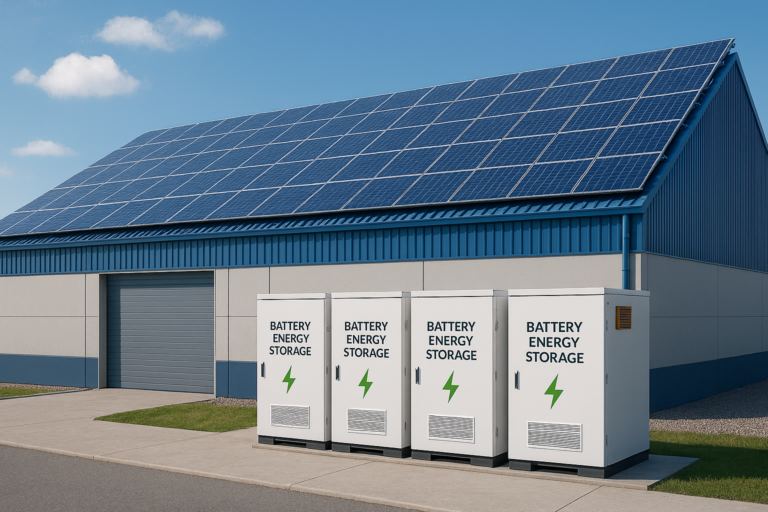
Battery energy storage systems (BESS) play a critical role in transforming renewable electricity into a reliable operational resource. By storing surplus electricity generated by on‑site solar systems, batteries allow power to be released when demand is highest or tariffs are least favourable.
Stored energy can support EV charging during peak periods, reduce reliance on imported electricity overnight and provide continuity during grid disruption. This capability smooths the natural variability of renewable generation and introduces a level of control that traditional energy supply models cannot offer.
For commercial developments, battery storage also unlocks wider strategic value. It enables peak shaving and load shifting, protects against short‑term price volatility and supports more predictable energy budgeting. In effect, storage shifts electricity from a fixed cost into a flexible asset that can be deployed with intent.
When designed alongside solar generation, battery systems also accelerate payback periods and strengthen the business case for on‑site renewables. Together, these technologies form a stable energy backbone capable of supporting EV infrastructure at scale.

Intelligent Load Management and Smart Control
As charging infrastructure expands across commercial sites, complexity increases rapidly. Multiple chargers drawing power simultaneously can place strain on a site’s capacity and trigger expensive demand peaks unless managed carefully. Intelligent load management addresses this challenge by distributing available power dynamically across chargers in line with operational priorities.
Advanced energy management platforms monitor real‑time usage, forecast demand and balance loads automatically. For fleet depots, this ensures vehicles are charged and ready while avoiding unnecessary peaks. For retail and workplace locations, it delivers consistent performance without oversizing electrical connections.
Artificial intelligence is increasingly embedded within these systems. By analysing historical data and live inputs, AI‑driven platforms can optimise charging schedules, flag inefficiencies and support predictive maintenance. This intelligence ensures that infrastructure investment remains proportionate, scalable and responsive to actual demand rather than theoretical maximum loads.
In this context, smart systems are not optional enhancements. They are essential tools for managing energy efficiently in an environment where capacity is constrained and demand continues to rise.

Strengthening ESG and Governance Through Energy Strategy
Integrated energy systems align closely with Environmental, Social and Governance priorities. Charging EVs using on‑site renewable power delivers immediate emissions reductions that can be measured, verified and reported with confidence. These outcomes support compliance with increasingly detailed frameworks such as the European Sustainability Reporting Standards and IFRS climate disclosures.
Beyond environmental performance, visible investment in renewable energy and EV infrastructure enhances social value. It demonstrates leadership in the transition to cleaner transport, supports local air quality and builds trust among customers, employees and communities who expect businesses to act responsibly.
From a governance perspective, energy strategy now carries material importance. Exposure to energy price volatility and supply risk has become a board‑level consideration. By generating and managing power locally, businesses reduce uncertainty, improve resilience and strengthen long‑term planning. Transparent energy data also simplifies reporting and supports clearer accountability across the organisation.
EV Infrastructure as a Long‑Term Commercial Asset
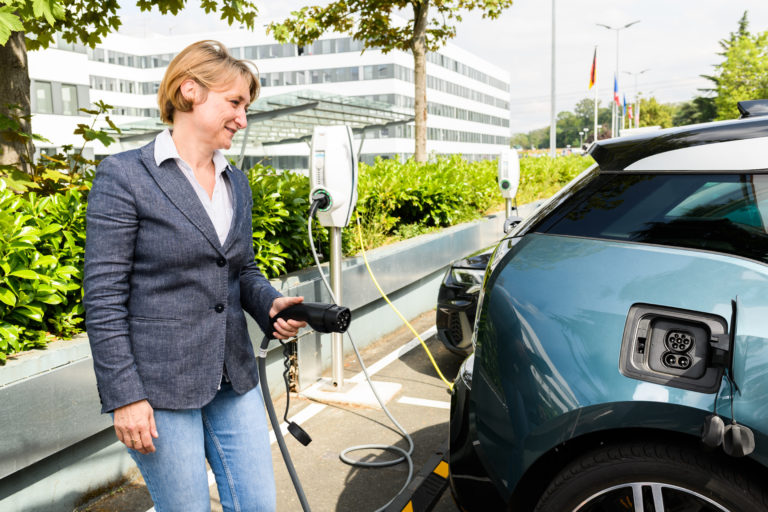
When integrated into a wider energy strategy, EV infrastructure moves beyond compliance and convenience. Self‑generated electricity reduces operating costs and creates greater price stability across the asset lifecycle. Battery storage and smart controls improve energy efficiency and protect against unplanned disruption.
For destination sites, reliable, clean-energy-powered charging enhances the customer experience and supports longer dwell times. Workplaces benefit from enhanced employee engagement and a stronger sustainability proposition. Fleet operators gain predictable running costs and improved operational control, particularly when charging aligns with solar generation and off‑peak tariffs.
In each case, EV infrastructure becomes part of a broader value proposition rather than an isolated cost centre. The most successful developments treat energy and charging as interconnected systems designed for longevity rather than short‑term demand.
Integrated Energy Hubs for Modern Developments
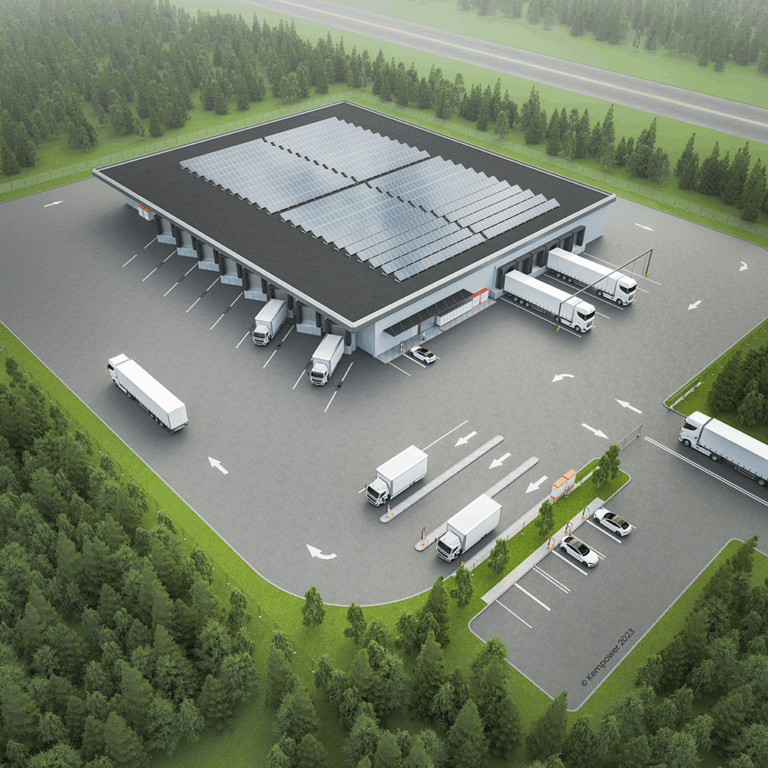
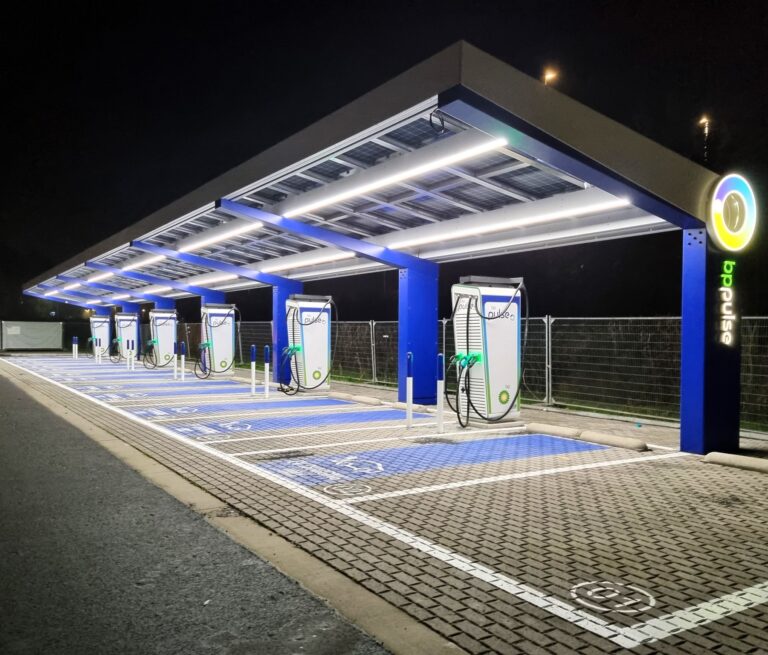
An increasing number of commercial sites are now being designed as integrated energy hubs. These environments bring together solar generation, battery storage, EV charging and high‑voltage infrastructure within a single, coordinated system. Energy flows are monitored continuously and optimised in real time.
This approach is particularly valuable for energy‑intensive developments such as logistics depots, cold storage facilities and large mixed‑use estates. By managing power holistically, sites can reduce grid dependence, maintain operational continuity and accommodate future electrification without major redesign.
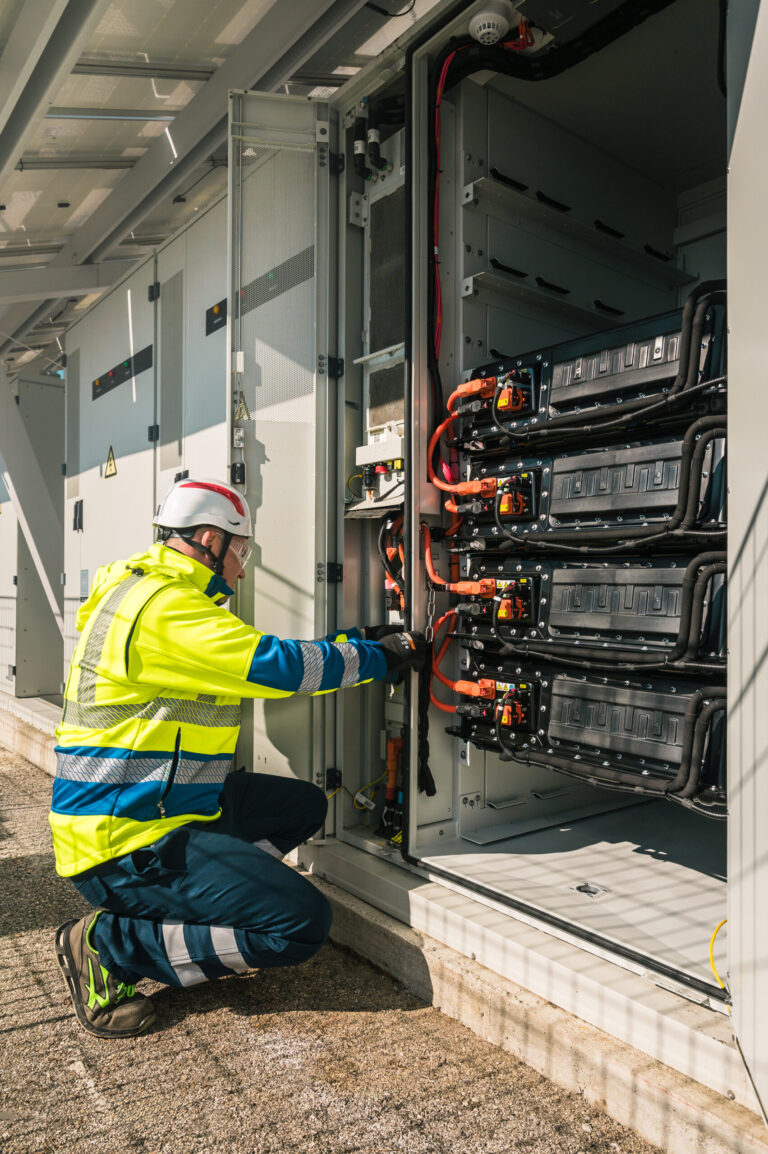
Planned preventative maintenance underpins this model. Continuous monitoring and data‑led diagnostics help maintain performance, protect uptime and safeguard long‑term returns. Well‑maintained infrastructure not only performs better but also protects reputation in an increasingly competitive market.
Building for the Electric Age
As electric vehicles become embedded within everyday commercial activity, the sites that support them must evolve accordingly. The most resilient developments are those that view EV infrastructure not as a standalone requirement but as part of a wider energy strategy built around generation, storage and intelligent control.
By integrating renewable power, battery systems and smart management from the outset, commercial developments can reduce long‑term risk, strengthen ESG performance and retain flexibility in an increasingly constrained energy landscape. This approach delivers more than compliance. It creates infrastructure that is commercially robust, operationally secure and ready for what comes next.
Building for the electric age demands a shift in perspective. Charging may be the most visible part of EV infrastructure, but energy strategy is its true foundation.
How TSG Supports Integrated EV Energy Infrastructure
Delivering EV infrastructure at scale requires more than individual technologies. It demands a coordinated approach that brings together power connections, generation, storage and intelligent control under a single, well‑planned energy strategy.
TSG supports commercial developments throughout this journey. As a National Electricity Registration Scheme (NERS) accredited Independent Connection Provider (ICP), TSG secures and delivers the high‑voltage and low‑voltage grid connections that underpin EV charging, solar photovoltaic systems and battery energy storage. This early involvement gives clients greater certainty over capacity, timescales and long‑term site performance.
Beyond the grid connection, TSG designs and delivers fully integrated energy solutions. Solar generation, battery storage, and EV charging infrastructure are engineered to work as a single system, supported by intelligent load management and long‑term maintenance programmes. Each element is planned with future demand in mind, ensuring sites can adapt as fleets grow and energy requirements evolve.
By combining ICP services with in‑house expertise across HV infrastructure, renewables and EV charging, TSG provides a single trusted partner for modern, EV‑ready developments. This integrated model reduces risk, simplifies delivery and helps ensure energy infrastructure remains resilient, compliant and commercially robust for years to come.