By Cheryl Ashton, Marketing Coordinator, TSG UK
For fleet operators, a dependable wash facility is much more than a cosmetic asset. It plays a direct role in safety, sustainability and daily efficiency. Whether managing HGVs, PSVs or LCVs, operators rely on consistent wash performance to keep vehicles road‑ready, maintain visibility of safety‑critical components and support the wider responsibilities of the workshop.
A fleet wash system works in challenging conditions. Vehicles arrive carrying layers of road debris, industrial grime and weather‑related dirt that build up quickly across bodywork, sensors and lighting. Without structured maintenance, the wash can struggle to maintain performance, which affects the quality of cleaning and the safety checks that follow. For busy depots, a reliable wash facility underpins many elements of day‑to‑day operation.
Nicky Gallazi, Business Development Manager at TSG UK, explains the significance of a proactive approach. “Fleet wash systems work hard every day, and any failure has an immediate impact on turnaround times. Planned maintenance keeps equipment dependable and helps operators keep their vehicles moving.”
Daily routines within the workshop play an important part in upholding standards. Quick visual checks such as inspecting brushes or high‑pressure nozzles, confirming water flow, assessing detergent levels and clearing drains allow teams to spot developing issues early. These small tasks also help maintain safe conditions around the wash bay, reducing slip risks and preventing debris build‑up in areas used by staff and drivers.
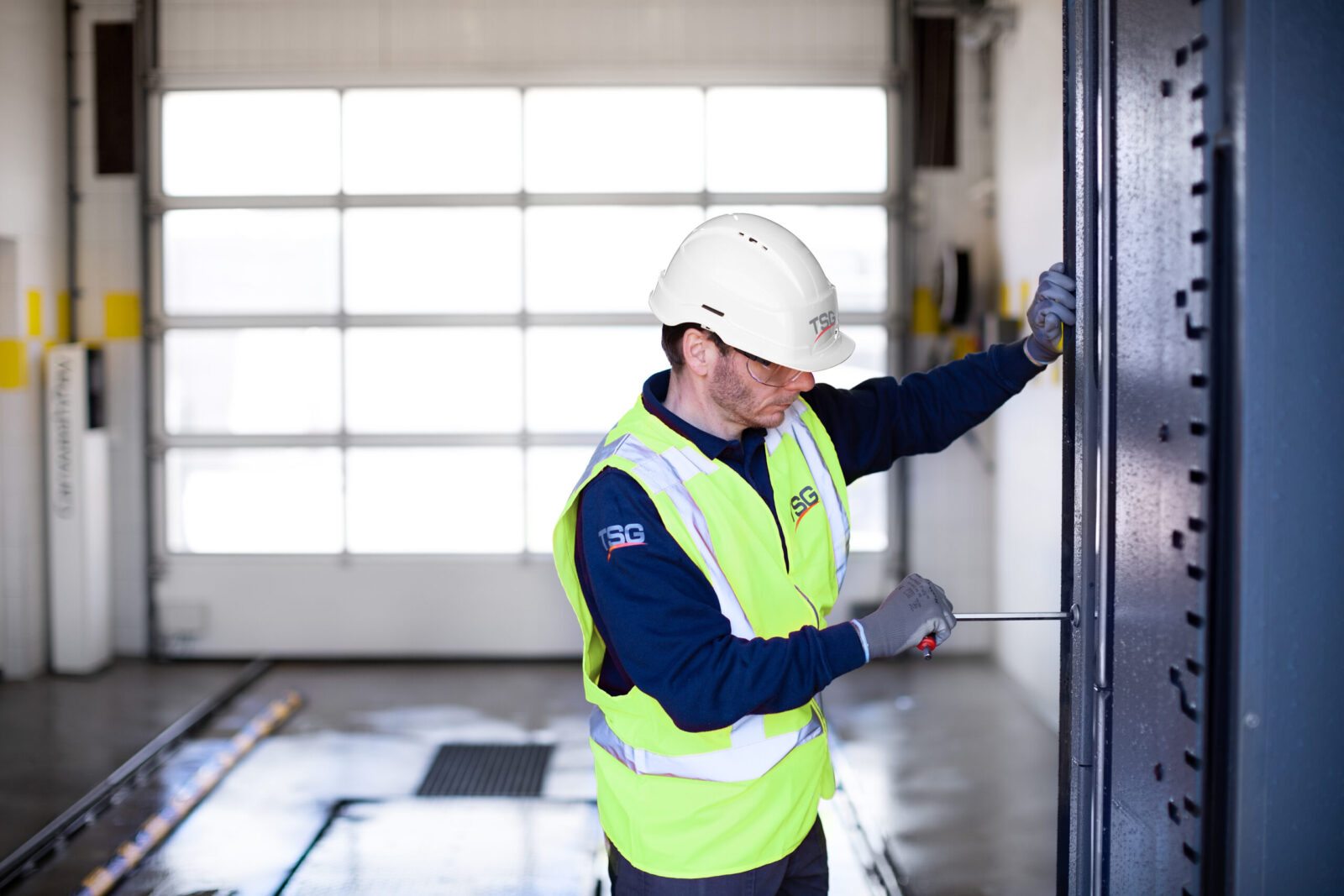
Planned preventative maintenance (PPM) provides deeper assurance for fleet environments operating at pace. Regular visits from trained technicians help identify wear, protect key components and ensure the machinery performs consistently. By reducing the likelihood of breakdowns, PPM supports predictable scheduling and helps the wash facility remain a dependable part of the depot’s workflow. A stable, well‑maintained wash system also contributes to consistent cleaning quality, which enables clearer inspections of lights, cameras, tyres and other safety‑critical parts.
In contrast, a reactive approach can result in long outages, higher repair costs and avoidable operational delays. When a wash system fails, vehicles may remain in the queue longer or be diverted elsewhere, which disrupts workshop routines and affects productivity. During periods of poor weather, these delays can quickly accumulate, affecting the wider fleet.
Safety and sustainability increasingly sit at the heart of fleet decision‑making. Modern wash systems often incorporate high water recycling rates, helping operators reduce consumption and stay aligned with environmental expectations. The careful selection of detergents and chemicals also supports a safe working environment, particularly for depots where staff interact closely with wash equipment throughout the day.
Keeping the wash area clean is equally important. Regular attention prevents mud, standing water and residue from accumulating in operational zones, which reduces hazards and supports good housekeeping practices. For depots with high vehicle throughput, this simple routine helps maintain a professional environment and reinforces a culture of safety.
A well‑maintained wash system strengthens fleet presentation, supports sustainability objectives and contributes to a safer, more efficient operation. By adopting a structured maintenance plan and embedding simple daily routines, operators can protect uptime, reduce risk and ensure every vehicle leaves the depot in the best possible condition.