Choosing the right route to sustainable long-haul transport.
By Cheryl Ashton, Marketing Coordinator, TSG UK
Few industries face a greater decarbonisation challenge than heavy transport. Responsible for moving goods across vast distances under demanding schedules, long-haul fleets must reduce emissions without compromising range, payload capacity or operational efficiency. While battery electrification continues to reshape parts of the transport sector, many operators are exploring alternative fuels that can meet the unique demands of heavy goods vehicles.
Among the leading contenders, hydrogen and biomethane have emerged as two very different but equally compelling pathways towards a lower-carbon future. Both offer substantial environmental advantages over diesel and both are attracting investment from governments, manufacturers and fleet operators. Yet they differ considerably in infrastructure requirements, cost and overall readiness for widespread adoption.
As pressure mounts from tightening environmental regulations, customer expectations and corporate sustainability targets, fleet operators are increasingly asking the same question: which solution is best positioned to power tomorrow’s heavy transport networks?
Yet technology alone will not determine the outcome. The success of either solution will depend as much on infrastructure, investment and operational practicality as environmental performance.
Why Heavy Transport Requires a Different Approach
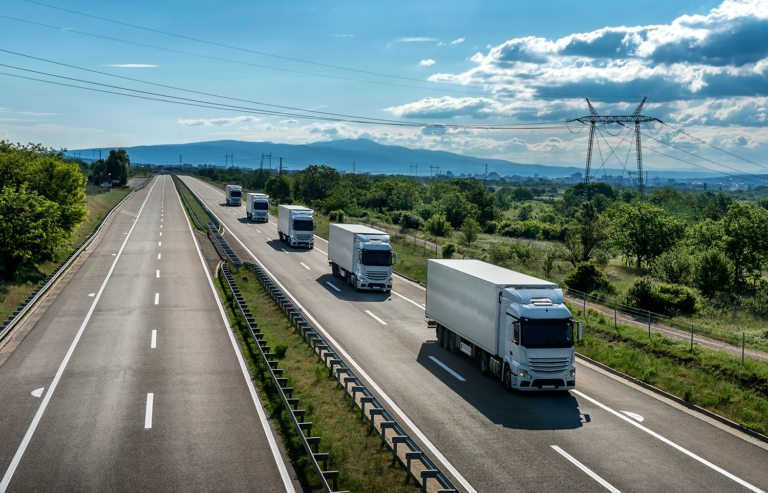
The decarbonisation journey for passenger vehicles has largely centred on battery electric technology. Heavy transport presents a more complex challenge.
Long-haul HGVs often operate around the clock, covering hundreds of miles between depots, distribution centres and customer sites. Operators must maximise vehicle utilisation while maintaining strict delivery schedules and controlling operating costs. Any reduction in payload capacity, increase in downtime or limitation in driving range can have a direct impact on profitability.
For this reason, many fleet operators require solutions that replicate the practicality of traditional diesel. Fast refuelling, long operating ranges and dependable infrastructure remain essential. While battery technology continues to advance, alternative fuels such as hydrogen and biomethane are attracting attention for offering many of these characteristics without the operational constraints of lengthy charging periods.
Biomethane: Delivering Practical Carbon Reduction Today
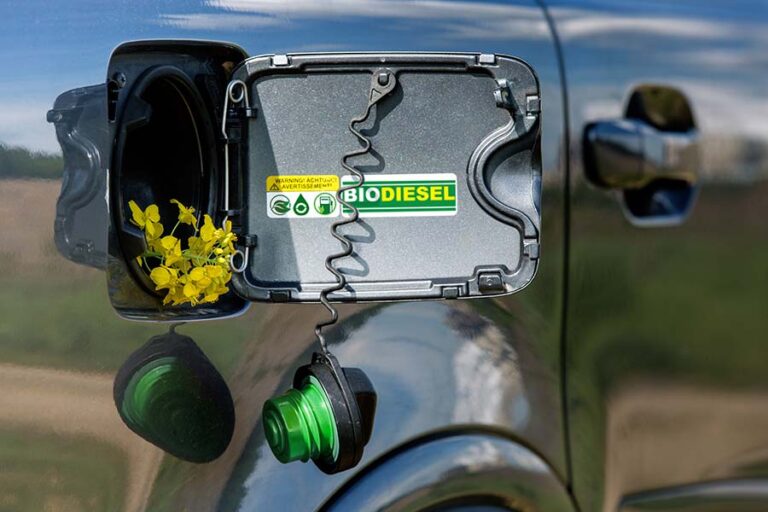
For many operators, biomethane represents the most readily available alternative to diesel. Produced from organic waste streams including food waste, agricultural residues and sewage sludge, biomethane transforms materials that would otherwise contribute to greenhouse gas emissions into a valuable transport fuel. Once processed and refined, it can be supplied as bio-CNG or bio-LNG, offering a renewable alternative to conventional natural gas.
The appeal of biomethane extends well beyond its sustainability credentials. Unlike many emerging technologies, biomethane is already being used successfully across the haulage sector. Fleets operating bio-LNG and bio-CNG vehicles are transporting goods throughout the UK today, demonstrating that lower-carbon transport need not remain a future aspiration.
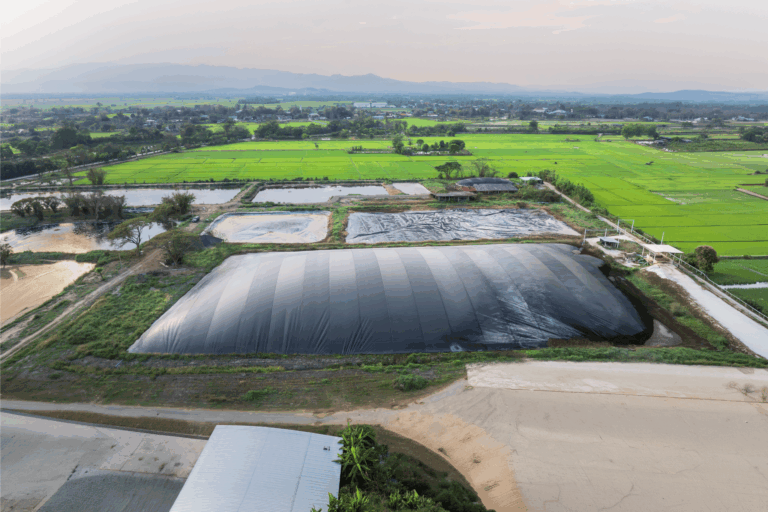
Operationally, biomethane offers several advantages. Refuelling times are comparable to diesel, vehicle technology is mature and established supply chains already exist. Bio-LNG in particular has proven attractive for long-distance haulage due to its higher energy density, enabling vehicles to travel considerable distances between refuelling stops.
There is also a compelling environmental story behind biomethane. By capturing methane from waste sources and converting it into transport fuel, organisations are reducing emissions at both ends of the process. Materials that would otherwise release potent greenhouse gases into the atmosphere are instead repurposed as a useful energy source.
Perhaps most importantly, biomethane enables operators to begin reducing emissions immediately without waiting for future technological developments or major changes in vehicle operating practices.

Hydrogen: Built for the Future of Long-Haul Logistics
While biomethane offers a practical solution today, hydrogen is widely regarded as one of the most promising long-term technologies in the transition towards net-zero transport.
Hydrogen fuel cell electric vehicles generate electricity through a chemical reaction between hydrogen and oxygen, producing only water vapour at the point of use. This allows fleets to achieve the operational benefits of electric propulsion while avoiding some of the limitations associated with battery charging.
For heavy transport applications, the advantages are clear. Hydrogen vehicles can be refuelled in minutes rather than hours, helping operators maximise vehicle availability and minimise downtime. The technology also offers impressive range potential, making it particularly attractive for high-mileage operations where continuous utilisation is critical.
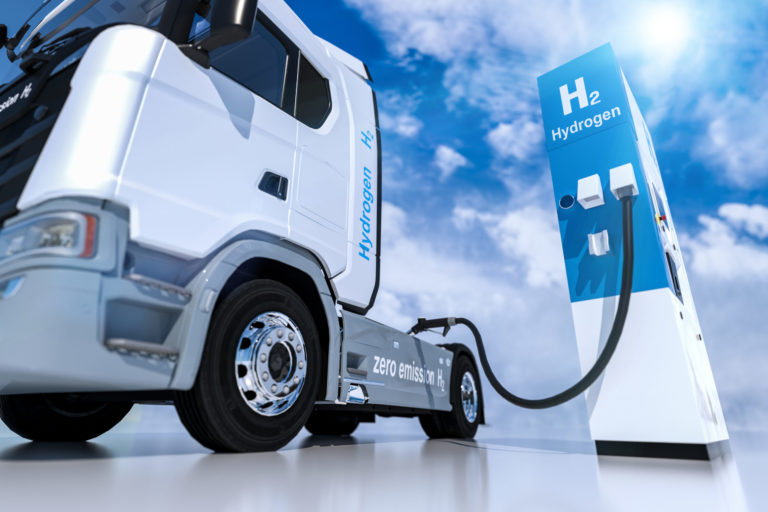
These characteristics have led many industry observers to view hydrogen as a natural fit for long-haul freight. In principle, hydrogen-powered HGVs could deliver operational performance remarkably similar to today’s diesel vehicles while dramatically reducing emissions.
However, hydrogen’s long-term success depends on more than vehicle capability.
The environmental benefits of hydrogen are closely tied to how it is produced. Green hydrogen, generated through electrolysis powered by renewable energy, provides a genuinely low-carbon pathway. As renewable electricity generation continues to expand, interest in green hydrogen is expected to increase across both the transport and industrial sectors.
Despite its potential, hydrogen remains at a relatively early stage of commercial development. Vehicle availability remains limited and production costs remain higher than many alternative energy sources. These factors continue to present barriers to broader uptake across the haulage industry.
Infrastructure is the Critical Difference
When comparing hydrogen and biomethane, infrastructure is arguably the defining differentiator.
Biomethane benefits from a considerable head start. Refuelling infrastructure continues to grow and many of the technologies required to support bio-CNG and bio-LNG are already well established. Vehicle manufacturers have spent years refining natural gas-powered platforms, providing operators with proven solutions and operational confidence.
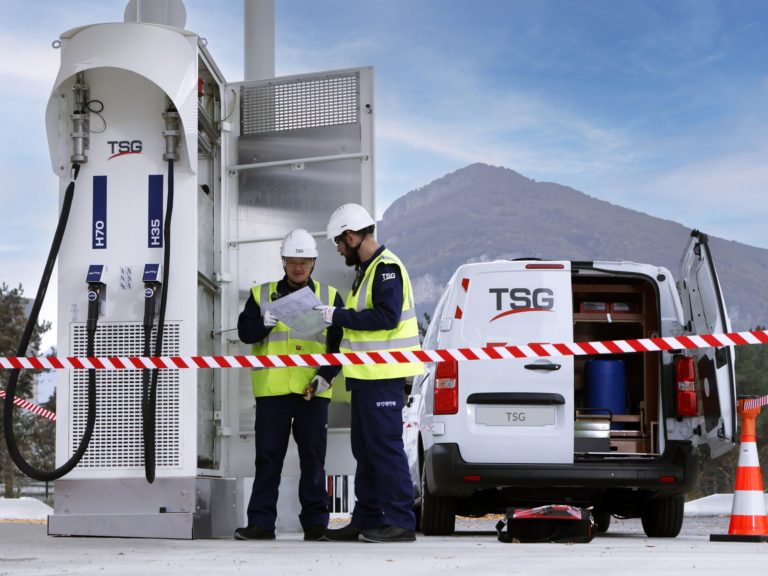
Hydrogen, however, faces a different reality. Although investment is increasing and ambitious development programmes are underway, hydrogen refuelling networks remain limited compared with conventional fuel and gas infrastructure. Considerable investment is required across production facilities, transportation networks, storage systems and refuelling stations before hydrogen can become a practical option for large numbers of operators.
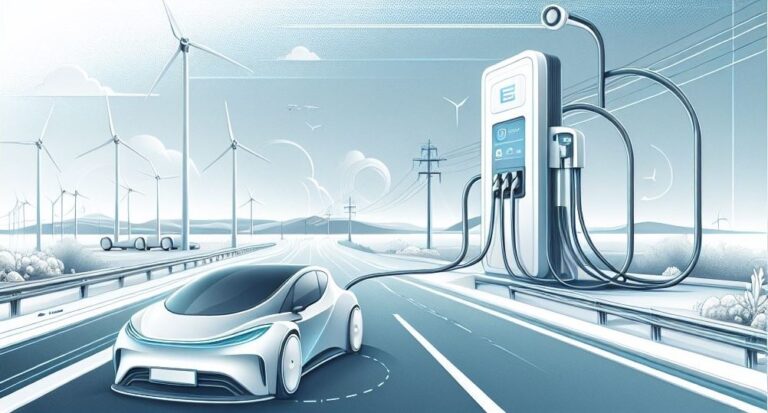
The industry often talks about the development of hydrogen corridors or Hydrogen Highways, dedicated transport routes supported by strategically positioned refuelling infrastructure. These projects have the potential to transform hydrogen’s viability for long-distance freight, but substantial work remains before comprehensive networks become a reality.
This infrastructure challenge creates something of a chicken-and-egg situation. Operators are understandably reluctant to invest in hydrogen vehicles until refuelling networks expand, while infrastructure providers require sufficient vehicle demand to justify investment.
Companies such as TSG are helping bridge this gap by delivering the infrastructure needed to support the transition to alternative fuels. Through expertise in hydrogen dispensers, compressors, electrolysers and associated engineering services, organisations can begin preparing for future demand while maintaining flexibility throughout the energy transition.

Comparing the Cost Equation
While sustainability remains an important driver, commercial reality ultimately determines the pace of change within the transport sector.
For many fleet operators, biomethane currently presents a more attractive financial proposition. Vehicle technology is mature, infrastructure requirements are relatively well understood and operational models have already been proven at scale. Organisations can often achieve meaningful emissions reductions while minimising disruption to existing operations.
Hydrogen presents a more complex investment case, as vehicles remain comparatively expensive and supporting infrastructure requires substantial capital expenditure. The cost of producing green hydrogen also remains higher than many conventional alternatives, although considerable progress is being made as production technologies mature and renewable energy capacity increases
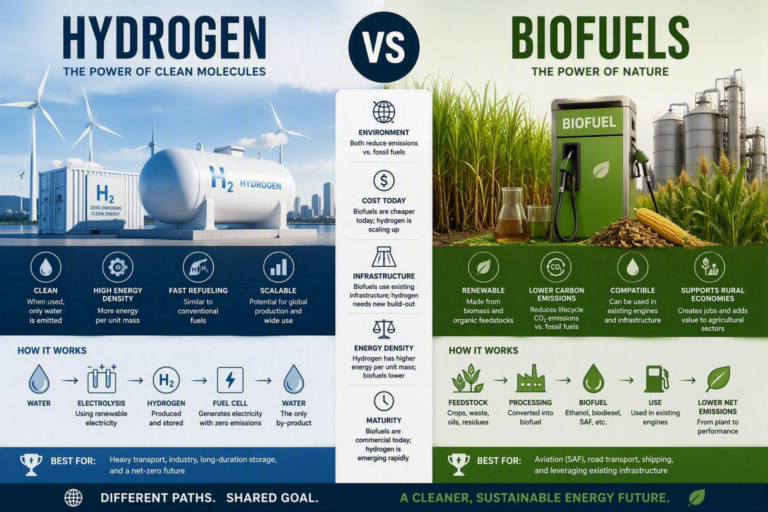
This does not mean hydrogen lacks a viable business case. Rather, its strongest commercial opportunities may emerge over a longer timeframe as production costs decrease, infrastructure expands and economies of scale develop.
For operators currently making investment decisions, the distinction is clear. Biomethane offers a practical solution that can be implemented today, while hydrogen represents a strategic investment in a potentially transformative future technology.
Choosing the Right Fuel for the Right Fleet
The search for a single replacement for diesel may ultimately prove unrealistic.
Different operators face different operational challenges and energy requirements. As a result, the most effective solution often depends on the specific characteristics of the fleet.
Biomethane is particularly well suited to organisations seeking immediate emissions reductions through proven technology. Long-haul logistics providers, regional distribution networks and operators looking to balance sustainability with commercial practicality may find biomethane offers the clearest route forward.
Hydrogen may be more attractive for organisations developing long-term decarbonisation strategies. Fleets with demanding operational profiles, high daily mileage and limited tolerance for downtime may ultimately benefit from the fast refuelling and extended operating ranges that hydrogen could deliver in the years ahead.
Rather than competing directly, the two technologies may serve different but complementary roles within the future transport ecosystem.
A Multi-Fuel Future
The future of heavy transport is unlikely to be defined by a single energy source.
Instead, the industry appears to be moving towards a diverse and resilient energy landscape in which hydrogen, biomethane, electricity and renewable liquid fuels each play a role in addressing different operational requirements.
Biomethane is proving that meaningful carbon reductions can be achieved now through technologies that are already available and commercially viable. Hydrogen, meanwhile, continues to progress towards what many believe could become one of the influential transport fuels of the coming decades.
As operators assess their sustainability roadmaps, the challenge is not necessarily identifying the eventual winner. The more important task is selecting the solution that best aligns with business objectives, operational realities and investment timeframes.
Whether organisations are evaluating biomethane as an immediate opportunity or exploring hydrogen as part of a longer-term strategy, successful implementation will depend on access to the right infrastructure, expertise and support.
Through its work across hydrogen, biomethane, LNG, CNG, electrification and depot infrastructure, TSG is helping transport operators navigate a complex energy transition and build networks ready for a lower-carbon future.