
TSG’s Commitment to Carbon Reduction
By Cheryl Ashton, Marketing Coordinator, TSG UK
Discover how TSG is reducing emissions, investing in clean energy and embedding sustainability across its operations to achieve net zero by 2050.
A Commitment Beyond Compliance
Sustainability is no longer a choice; it is a responsibility. For TSG, this responsibility is woven into its identity as a leader in new energy solutions. The company’s journey towards reducing its carbon footprint is a strategic and ethical commitment to shaping a cleaner, more resilient future. In an industry where innovation and environmental stewardship must go hand in hand, TSG views sustainability as an opportunity to lead by example and deliver lasting value for customers, communities and the planet.

Global Commitments Driving Local Action
TSG’s sustainability strategy begins with its alignment with international frameworks. In 2020, TSG UK signed up to the UN Global Compact, the world’s largest corporate sustainability initiative. This pledge reflects a commitment to uphold universal principles in human rights, labour, the environment and anti-corruption, while advancing societal goals. It also aligns TSG with the Paris Agreement, committing to carbon neutrality by 2050.
These frameworks are not just aspirational; they shape operational priorities and influence customer expectations. The company’s ambitions align with the ‘Fit for 55’ package introduced by the European Union, a bold plan to reduce greenhouse gas emissions by at least 55% by 2030 compared to 1990 levels. This roadmap includes measures such as enhanced emissions trading, carbon border adjustments and social climate funding. For TSG, these targets are practical milestones that guide investment decisions and operational strategies today.
Certifications and Transparency: Leading by Example
Transparency is the cornerstone of trust, and TSG has consistently demonstrated this principle through voluntary and transparent disclosures. For two consecutive years, TSG has responded to the CDP questionnaire, widely regarded as the gold standard for environmental reporting. This demonstrates accountability and provides stakeholders with clear insights into climate risks and mitigation strategies. CDP participation also strengthens investor confidence and helps identify opportunities for cost savings through energy efficiency.
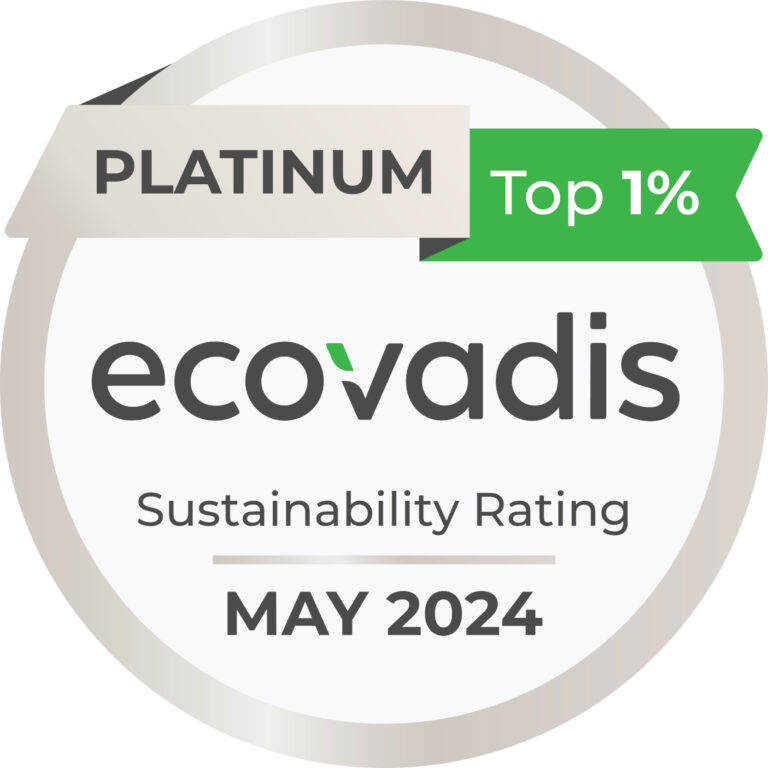
Further reinforcing its leadership, TSG has earned EcoVadis Platinum certification, placing the Group among the top 1% of companies worldwide for sustainability performance in its industry. This achievement reflects excellence in environment, ethics, labour and sustainable procurement. For customers and partners, this ranking is more than just a badge; it is a guarantee that TSG operates with integrity and responsibility at all levels.
In addition, TSG has committed to the Corporate Sustainability Reporting Directive (CSRD), linking financial transparency to environmental impact. Most notably, in June 2025, the Science Based Targets initiative (SBTi) validated TSG Group’s near-term targets: a 42% reduction in Scope 1 and 2 emissions by 2030 and engagement with suppliers to ensure 77% adopt science-based targets by the same year. These milestones position TSG as a credible and accountable climate leader.
Practical Measures in the UK: Turning Strategy into Action
TSG’s sustainability journey is evident in its daily operations. All UK offices now run on renewable energy, with solar panels already generating power at the Dundee site. The company is also assessing the potential for mobile solar solutions at other locations, including Skerritts Birmingham, and exploring wider environmental initiatives such as biodiversity management.
Fleet transition remains a critical focus. As company cars reach the end of their lifecycle, TSG is replacing them with hybrid or electric models and investigating alternative fuelling for its commercial fleet. This includes electric vehicles, HVO fuel and other emerging green energy solutions, reinforcing TSG’s commitment to cutting emissions through innovation.
Digitalisation plays a key role in reducing environmental impact. The introduction of a new HSEQ SharePoint, digital covenant documents and online training portals has significantly reduced paper waste while improving accessibility, sustainability and compliance. Waste reduction and recycling are embedded across all offices and sites, supported by partnerships with a single waste management provider for better reporting. The implementation of ISO 14001 and ISO 45001 ensures the highest standards in environmental and occupational health.

CSR and Ethical Leadership: Sustainability Beyond Carbon
CSR and Ethical Leadership: Sustainability Beyond Carbon
TSG’s sustainability ethos extends beyond environmental impact to social responsibility. The company invests in local communities through sponsorships of youth football and rugby teams, Thai boxing champions and charitable initiatives such as fundraising for Mind.org. Its Armed Forces Covenant status and partnerships with recruitment agencies help reintegrate ex-service personnel into civilian careers, reinforcing TSG’s commitment to inclusion and opportunity.
Ethical business practices remain a priority. Updated anti-bribery and anti-slavery notices, Real Living Wage accreditation and robust IT security measures, including Cyber Essentials and Cybervadis certifications, demonstrate TSG’s commitment to integrity and transparency. Employee development is equally valued, with training programmes covering customer service, leadership, well-being and compliance, alongside refreshed Human Resources (HR) policies to foster a fair and supportive workplace. The launch of the Learning Nest platform ensures that every employee has access to resources that promote growth and safety.

Future Roadmap: Net Zero and Beyond
TSG’s ambitions are clear: achieve net zero carbon by 2050. By 2030, the company aims to reduce Scope 1 and 2 emissions by 40% and Scope 3 emissions by 20% against a 2022 baseline. Decarbonisation plans will be embedded in 80% of contracts and subcontractor agreements, ensuring sustainability is integral to every project.
The roadmap also includes biodiversity management, sustainable procurement aligned with ISO 20400, and continued investment in renewable energy and low-carbon technologies. As TSG grows through acquisitions, it commits to introducing its CSR strategy to all new companies, ensuring consistency and accountability across the Group. These targets are ambitious but achievable, supported by structured action plans and continuous innovation across the Group. Beyond individual initiatives, this approach reflects a cohesive strategy to future-proof TSG’s operations and contribute to global climate goals.
Conclusion: A Journey of Responsibility and Innovation
TSG’s path to sustainability is defined by ambition, accountability and action. From global commitments to local initiatives, the company is reducing its carbon footprint while setting new standards for ethical and responsible business. This is not a journey of compliance but of leadership, a commitment to create a future where customers, communities and the planet thrive. As TSG continues to innovate and invest, its vision remains clear: a sustainable future for mobility and energy.