Re‑imagining the Future of Payment in Energy Retail
By Cheryl Ashton, Marketing Coordinator, TSG UK
As payment technologies reshape the forecourt landscape, energy retailers must balance speed, security and simplicity to meet rising expectations. This article explores how innovation, integration and intelligent systems are redefining customer trust and convenience in modern energy retail.
In energy retail, payment is no longer a functional necessity but a defining part of the customer experience. Speed, security and simplicity now carry as much weight as price or location, as forecourts evolve into multi‑purpose retail destinations. Payment systems are expected to do far more than process transactions, helping to build trust, simplify the customer journey and operate seamlessly across fuel, convenience retail and electric vehicle charging.
This shift is accelerating, driven by rapidly changing consumer expectations and the growing influence of digital lifestyles. Cash use continues to decline, contactless has become instinctive and self‑service is no longer novel. What lies ahead is not a single technology but a more intelligent, integrated approach to managing, securing and personalising transactions.
Convenience as the starting point
As consumer expectations continue to evolve, waiting to pay feels increasingly outdated in a world shaped by mobile banking, digital retail and on‑demand services. Queues, manual processes and inconsistent experiences now undermine customer confidence and loyalty.
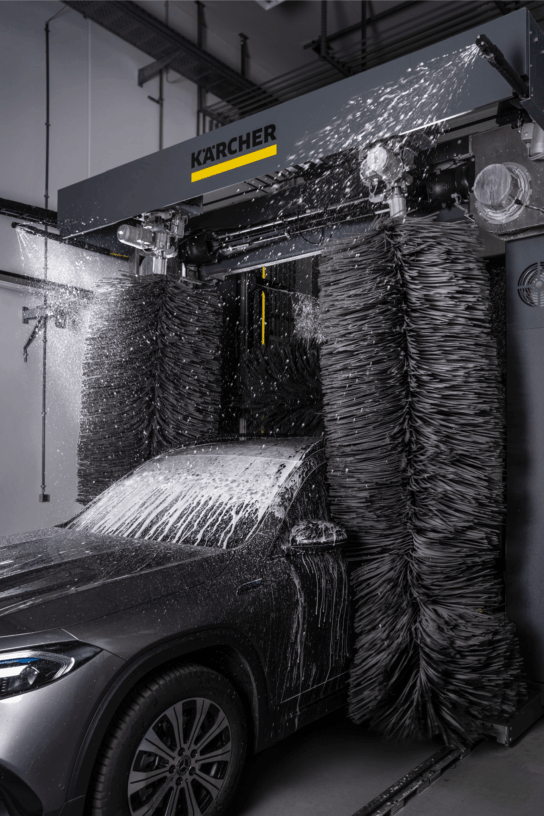
For forecourt operators, this has made convenience a baseline rather than a differentiator. Payment must be fast and intuitive inside the store and on the forecourt, whether a customer is buying fuel, groceries, a car wash or charging an electric vehicle.
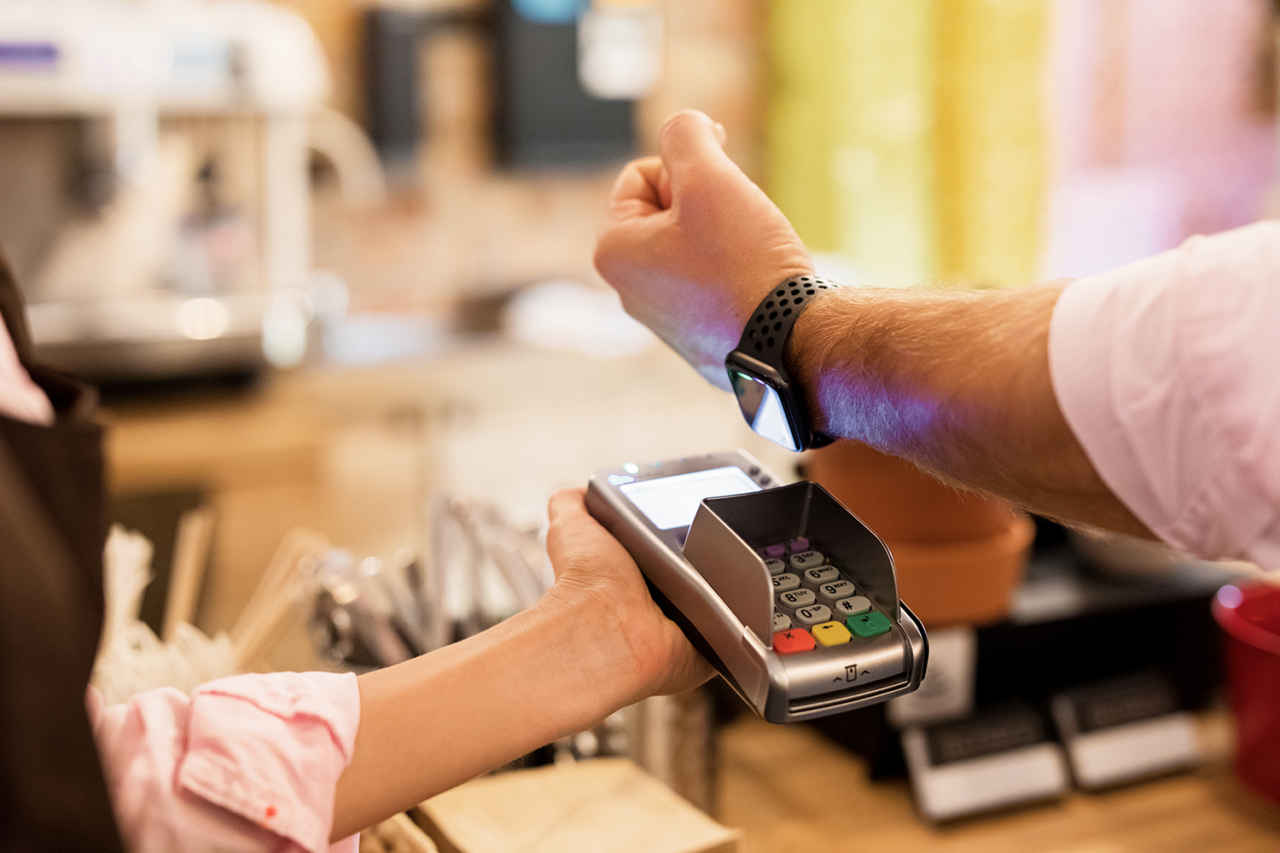
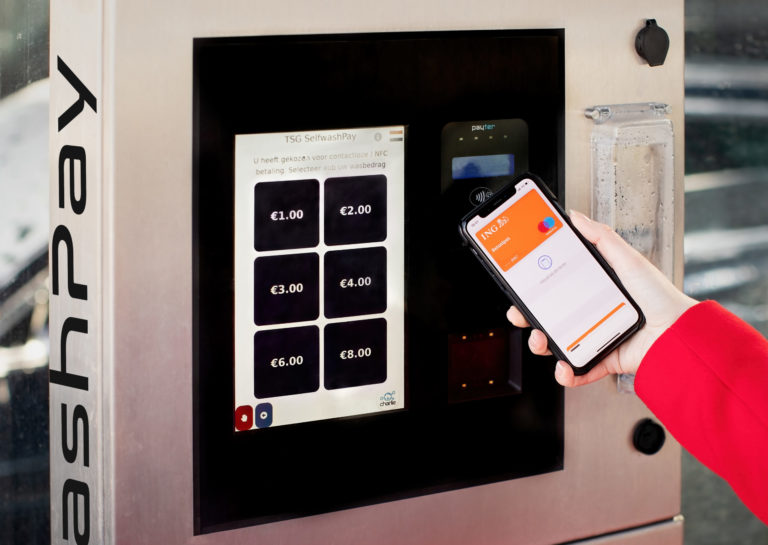
Self‑checkout, outdoor payment terminals and mobile payment options are increasingly valued not just for efficiency, but for how they allow customers to remain in control of their journey. When payment feels effortless, it fades into the background, enabling retailers to focus on service, efficiency and product offering.

Trust remains the true currency
While convenience attracts attention, it is trust that secures long‑term loyalty. Every transaction carries an expectation of security, and while data breaches are relatively rare, their impact can be severe and long‑lasting. One incident can permanently damage a reputation and erode confidence built over years.
As payment volumes increase and transactions move at greater speed, traditional monitoring methods have become less effective. The future lies in layered security, combining certified hardware, encrypted data flows and intelligent fraud prevention.
Compliance with Payment Card Industry Data Security Standard (PCI DSS) requirements is fundamental, but it is no longer sufficient on its own. Retailers are increasingly seeking systems that exceed baseline compliance and are designed to anticipate modern threats rather than react to them.
This shift is also influencing how customers perceive payment environments, where a sense of security must be both inherent and visible. Rather than relying solely on unseen safeguards, trust is reinforced through clear interfaces, familiar authentication methods and consistent behaviour across devices.
The rise of invisible intelligence
One of the most significant changes in payment technology lies behind the scenes, with artificial intelligence and machine learning now used to analyse transaction patterns, identify anomalies and flag potential fraud in real time. Unlike static rules, these systems learn continuously, adapting to new behaviours as they emerge.
Predictive fraud prevention is becoming an essential tool for energy retailers managing high transaction volumes across multiple sites, allowing legitimate customers to move quickly while ensuring that additional checks are applied only where they are genuinely needed.
Over time, this intelligence will extend beyond security, as payment data already provides valuable insight into customer behaviour, peak trading periods and purchase patterns. When analysed responsibly, this information can support smarter promotions, better stock management and more personalised experiences.

Biometric authentication and the evolution of trust
Biometric payments are no longer theoretical, as fingerprint and facial recognition technologies are now widely adopted in smartphones and banking apps, with their use in physical retail environments continuing to advance.
For the forecourt, biometric authentication offers an opportunity to simplify transactions while strengthening security. Rather than remembering PINs or presenting multiple credentials, customers can authenticate payments in a way that is both personal and difficult to replicate.
While adoption will be gradual and trust must be earned, retailers will need to be transparent about how biometric data is used and protected. As familiarity grows, biometric authentication has the potential to streamline the payment experience and enhance confidence, particularly in unattended or low‑staffed environments.
Integration over isolation
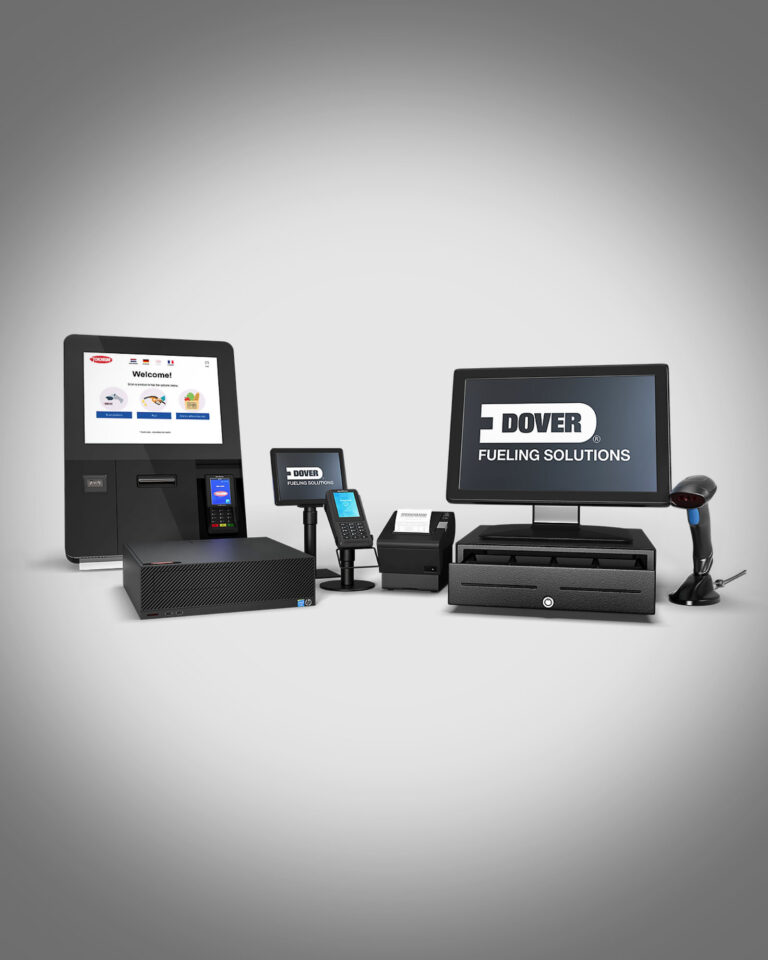
Perhaps the most important trend shaping the future of payment is the move towards integration, as modern forecourts operate as complex ecosystems where fuel dispensers, car washes, coffee machines, self‑checkouts, electric vehicle chargers and digital media must all work together in real time. Payment systems sit at the centre of this environment, connecting transactions to equipment, inventory and reporting.
Integrated platforms bring this together, allowing operators to move away from managing multiple standalone systems and instead gain a single, cohesive view of activity across sites or networks. This visibility improves decision‑making, supports compliance and simplifies day‑to‑day operations.
TSG has long supported this integrated approach, supplying and maintaining systems that bring payment, control and insight together across forecourts of all sizes. Solutions such as Prizma demonstrate how a connected electronic point-of-sale (EPOS) platform can unify indoor and outdoor payments, automation and data without increasing complexity for staff.
Automation as a strategic choice
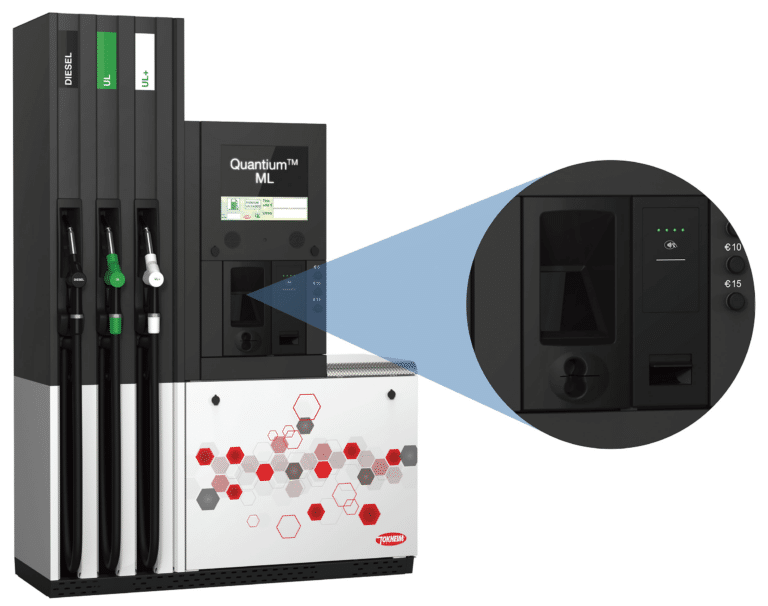
While automation is often framed as a cost‑saving measure, its strategic value is far broader. Outdoor payment terminals, self‑checkout kiosks and automated ordering systems allow retailers to redeploy staff where they add the most value, while also supporting extended opening hours and, in some cases, entirely unmanned fuel-sales operations.
Pay‑at‑the‑pump has become central to this evolution, with pre‑payment reducing losses from drive‑offs, improving throughput and supporting safer, more controlled sites. For customers, it delivers speed and familiarity, while for operators it provides resilience in a challenging labour market.
As automation increases, the role of payment systems continues to expand, with solutions now expected not only to authorise transactions but also to support remote monitoring, compliance, reporting and customer engagement.
Payment meets electrification
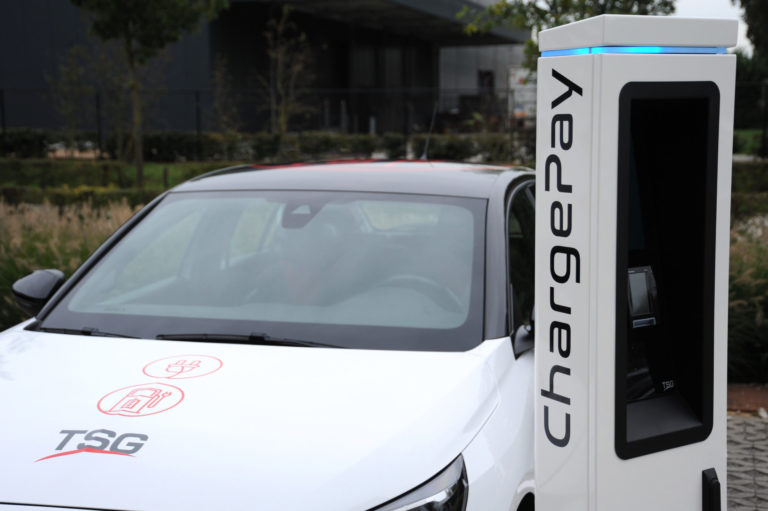
Electric vehicle charging introduces new demands on payment infrastructure, as charging sessions may last minutes or hours, with tariffs influenced by time, energy usage and location. Payment systems must handle this complexity transparently, ensuring customers have clear visibility of costs before charging begins, during the session and at completion.
Open, card‑based payment is becoming standard, reinforcing trust and accessibility for all drivers. Integrated solutions such as ChargePay demonstrate how payment can support this transition without creating unnecessary complexity or excluding non‑app users.
As forecourts diversify their energy offer, consistent payment experiences across fuels will be essential in maintaining confidence and loyalty.
The role of the trusted partner
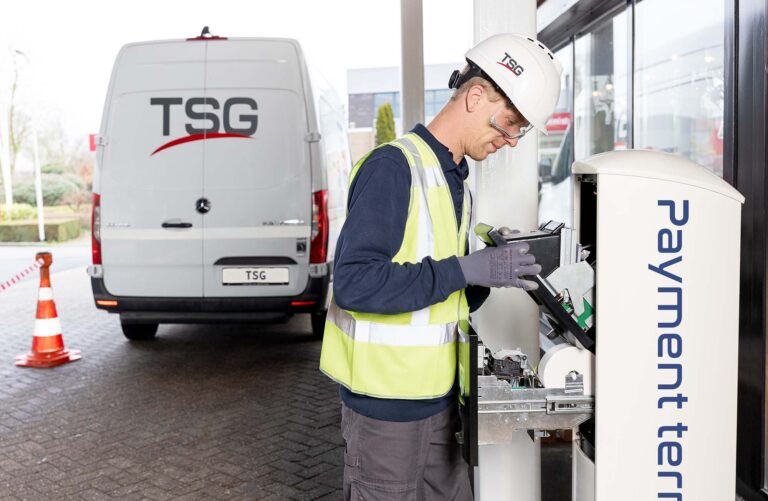
With technology evolving quickly, few retailers want to navigate the future of payment alone, and choosing the right solutions requires a clear understanding of regulations, customer behaviour, site layout and long‑term strategy. Reliable implementation is essential, while ongoing support remains critical for businesses that operate around the clock.
TSG continues to play this role for energy retailers across the UK, delivering secure, integrated and future‑ready payment solutions supported by comprehensive installation, maintenance and remote services. Experience matters, particularly as forecourts balance innovation with operational stability.
Looking forward
The future of payment in energy retail will not be defined by a single breakthrough, but by steady progress towards systems that are more intelligent, more integrated and more trusted. Mobile wallets, biometric authentication and predictive security will continue to mature, while automation becomes the norm and data increasingly shapes how services are designed and delivered.
For customers, the best payment experience will be one they barely notice, while for retailers it will be the system that quietly enables growth, resilience and confidence. When trust meets technology, payment becomes more than a transaction, forming the foundation for the next generation of energy retail.