A Clear Path to Stronger ESG and Corporate Resilience
By Cheryl Ashton, Marketing Coordinator, TSG UK
Solar energy is fast becoming a strategic asset for organisations seeking cost control, operational stability and a more robust sustainability profile. This piece examines how solar supports Environmental, Social and Governance (ESG) reporting and reinforces trust across customers, investors and the wider community.
Solar energy is often viewed through the familiar lens of cost savings. Yet for modern businesses, the value of solar power extends far beyond financial return alone. It has become an essential pillar of business-wide sustainability strategy, a means of advancing ESG reporting and a highly visible indicator of responsible leadership. With energy prices rising and stakeholders demanding authenticity rather than aspiration, companies across the UK are reconsidering their long-term energy strategy. Solar adoption is no longer a technical upgrade: it is a declaration of intent.
There is a clear shift in how businesses view solar power. What was once considered an optional improvement is now seen as an influential part of responsible growth. Expectations from investors, customers and regulators continue to rise, prompting companies to place greater emphasis on environmental responsibility and transparent reporting. Solar supports these aims by offering a straightforward way to reduce emissions, strengthen green-performance metrics and provide greater confidence in long-term climate commitments. As reporting frameworks become more detailed, many organisations now view renewable energy as one of the most effective ways to demonstrate meaningful progress towards their sustainability targets.
Solar energy, therefore, delivers dual benefits. It strengthens operational resilience and bolsters brand credibility. It also provides measurable evidence of climate stewardship, meeting both stakeholder expectations and regulatory requirements.
A clearer pathway to ESG accountability
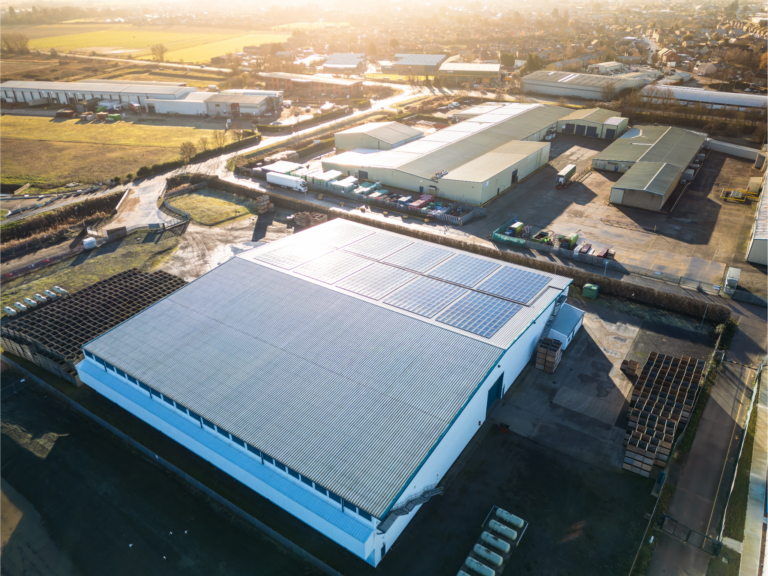
Businesses are under growing pressure to demonstrate clear, measurable progress on emissions reductions, resource efficiency and climate-related risks. Solar PV offers a direct and uncomplicated route to achieving these aims, reducing reliance on fossil-fuelled electricity and increasing on-site generation of clean power. By cutting carbon at source and improving overall energy efficiency, solar provides long-term environmental benefits that support credible ESG-aligned reporting and strengthen enterprise-level climate commitments.

For companies aiming to align with frameworks such as the European Sustainability Reporting Standards (ESRS) or the International Financial Reporting Standards (IFRS S1 and S2), solar adoption offers additional advantages. These frameworks place increasing emphasis on verified climate data, well‑defined measurement practices and transparent disclosure. Solar generation supports this by providing clear, quantifiable evidence of reduced emissions through on-site renewable production. By incorporating solar into their energy strategy, businesses can present more accurate decarbonisation data, simplify the preparation of climate risk reports and strengthen the credibility of their overall ESG performance.
In practical terms, solar offers more than compliance. It demonstrates environmental leadership. It signals to customers, employees and communities that the business is serious about climate action and prepared to invest in solutions that deliver low-carbon value as well as financial return.
Social responsibility and community confidence
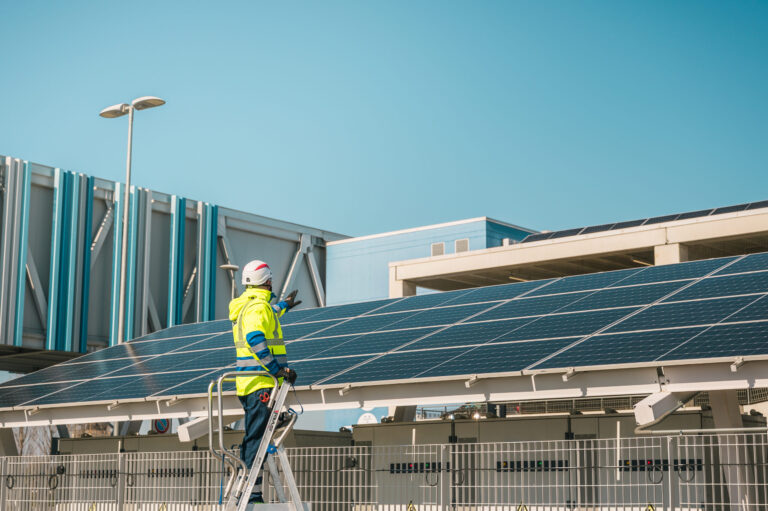
The social dimension of ESG is often overlooked in energy discussions, yet solar plays an important role in supporting these aims. It contributes to the national transition to a cleaner energy system by reducing emissions and improving local air quality. Solar projects also stimulate job creation and skills development across the supply chain, providing opportunities in installation, engineering and long-term maintenance. In many cases, visible investment in renewable technology can enhance community confidence by showing a clear commitment to energy-efficient infrastructure and responsible growth.
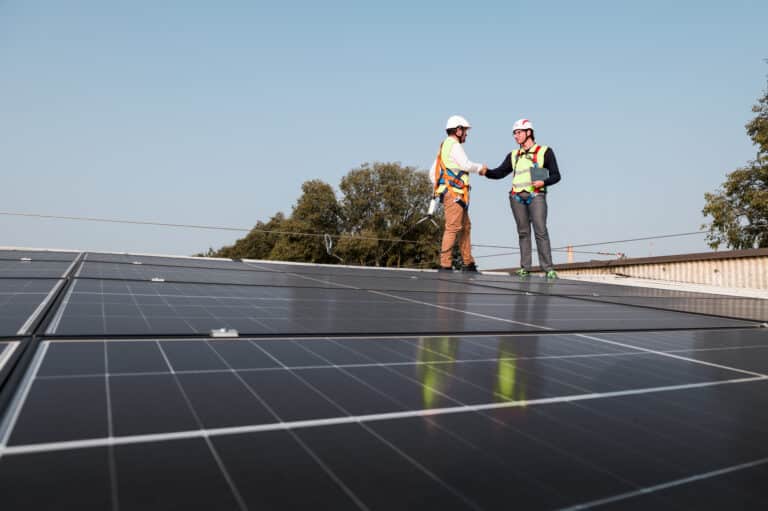
Moreover, customer preference is shifting. The public increasingly expects businesses to operate responsibly and to contribute meaningfully to the transition to renewable energy. Solar installations are visible and recognisable. They offer physical proof of sustainability action rather than abstract targets. This visibility reinforces customer trust and helps strengthen relationships with supply chain partners who also seek to improve their environmental performance.
For employees, solar adoption often boosts the company’s reputation from within. Working for an eco-friendly employer can improve morale and assist in recruitment, particularly among younger professionals who prioritise climate-focused organisations.
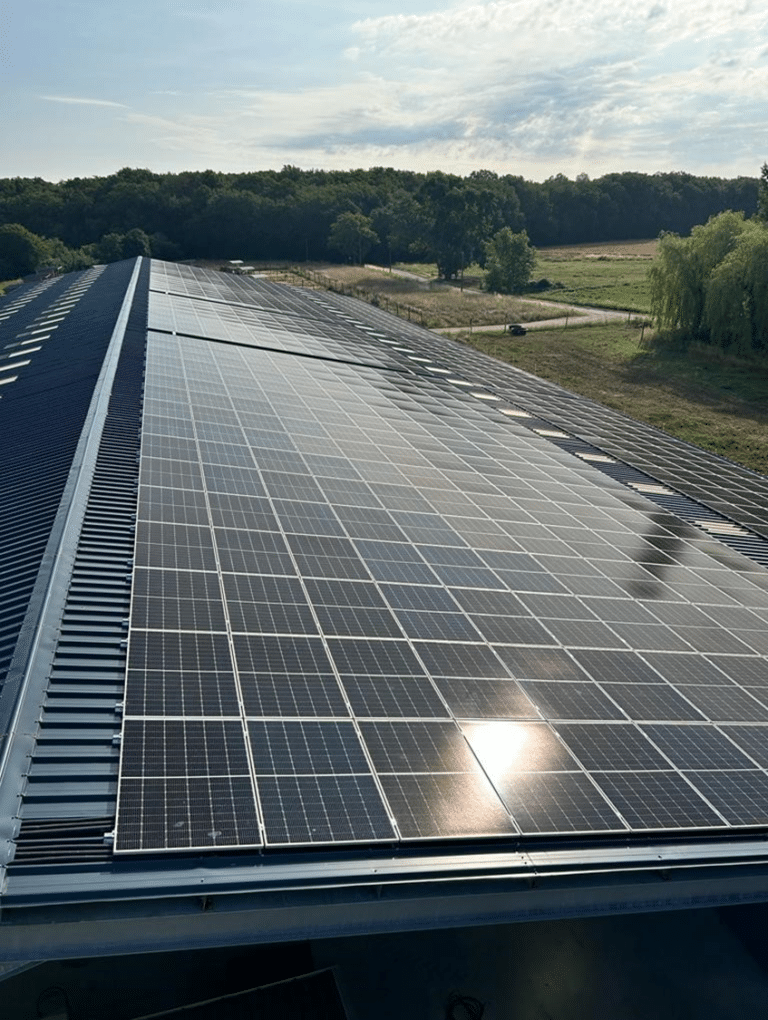
Governance strengthened by transparency and long-term stability
Good governance relies on clarity, accountability and advanced planning. Solar supports all three by encouraging structured decision making and long-term energy management. It calls for careful assessment, transparent reporting and alignment with corporate priorities. Incorporating solar into an energy strategy often strengthens governance standards, as it requires rigorous planning, thoughtful risk evaluation and consistent monitoring of energy use and emissions performance.
From a strategic perspective, solar reduces exposure to energy market volatility. It offers predictable long‑term operating costs and greater financial stability. Rising energy prices are a material risk for many organisations and managing that risk effectively is increasingly recognised as a key governance responsibility. Solar reduces this exposure by bringing energy generation under the company’s control.
As climate-related reporting frameworks continue to evolve, transparency has become even more important. Solar helps simplify this process by providing verifiable data that can be integrated into ESG reporting with confidence. These advantages are particularly valuable for organisations preparing for more detailed climate disclosure requirements, including those aligned with recognised IFRS standards and forthcoming national legislation.
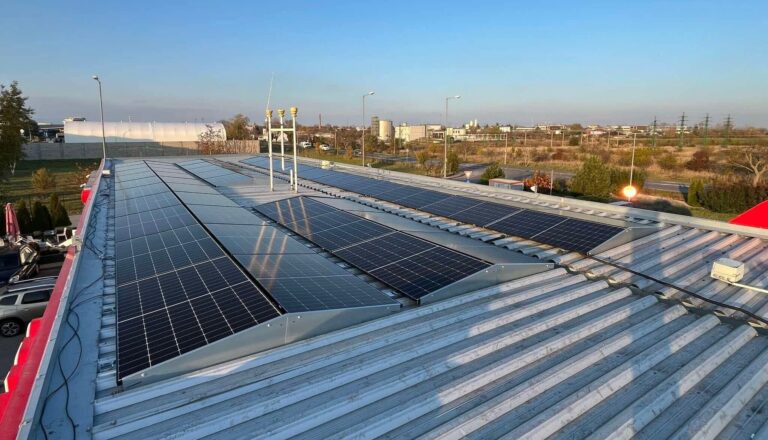
Beyond cost savings: a strategic asset for brand value
Solar has become a significant driver of brand value. It strengthens a company’s public profile by demonstrating a visible commitment to sustainability and supporting clear differentiation in competitive markets. Customers increasingly favour organisations that adopt responsible energy practices, and solar offers a compelling way to communicate those values. It signals progressive thinking and provides a lasting representation of ecological responsibility, elevating corporate reputation.
In markets where trust and reputation are essential, solar can influence purchasing decisions and strengthen brand identity. Businesses adopting solar are often perceived as innovative, ethical and aligned with the needs of a changing world. This positive association translates directly into stronger market positioning.

Solar’s role in modern reporting frameworks
As global sustainability performance frameworks become more detailed, organisations are expected to provide clearer and more consistent climate information. Solar helps simplify this process by offering measurable data that aligns with a wide range of reporting standards, including the ESRS, IFRS climate disclosures and established voluntary frameworks. These systems rely on comparable, transparent information, and solar generation supports this by delivering straightforward evidence of reduced emissions across different jurisdictions.
Solar supports this need by offering quantifiable emissions reductions and stable energy performance data, both of which are fundamental to climate reporting.
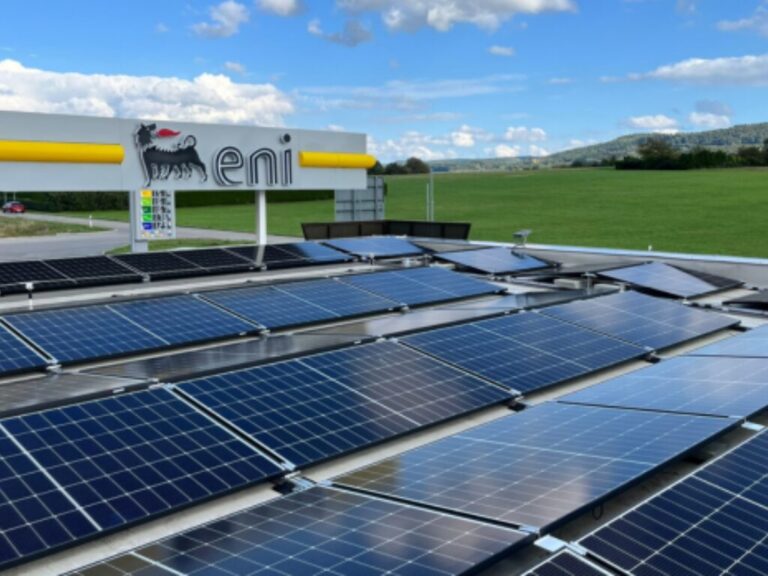
Solar as part of a wider energy strategy
Alongside its environmental and governance benefits, solar brings additional strategic advantages. It helps reduce operating costs, strengthens energy independence and provides a measure of protection against fluctuating tariffs. For many businesses, it represents both a practical financial decision and a visible commitment to more responsible operations. Solar installations generally deliver steady long-term savings, with many systems recovering their initial investment within a reasonable timeframe and continuing to provide value for many years thereafter.
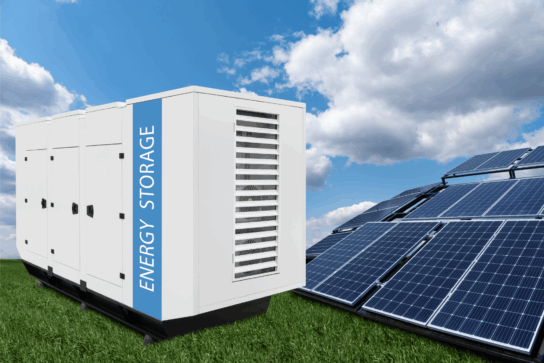
Combining solar with battery energy storage further amplifies these benefits. It enables load shifting, reduces costs during peak times and strengthens operational resilience. Storage also plays a critical role in supporting the national grid and increasing the stability of renewable generation, an outcome that supports both environmental and social priorities.

In commercial environments, combining solar with battery storage also opens up behind-the-meter (BTM) revenue stacking opportunities. By integrating several technologies, businesses can gain value from multiple services simultaneously, including peak shaving, load shifting, demand response and export optimisation. This layered approach enhances financial returns by enabling the system to support on-site operations while participating in available network services. The outcome is a more adaptable energy strategy that boosts resilience and speeds up the payback period.
TSG Solar is here to help
TSG UK is ideally placed to help businesses harness the full value of solar power. As a specialist engineering, procurement and construction contractor and an accredited Independent Connection Provider (ICP), TSG delivers high-quality solar installations designed to meet operational, financial and ecological requirements. Its approach includes comprehensive site surveys, feasibility studies, structural analysis and detailed financial modelling to ensure each project delivers the strongest return.
From rooftop and ground-mounted solar arrays to integrated battery storage and energy management systems, TSG provides fully managed solutions built for resilience and long-term performance. Its national teams manage every stage of delivery, supported by rigorous service and maintenance programmes that protect system efficiency throughout the asset life.
Whether a business is seeking to reduce costs, strengthen ESG reporting, improve brand value or take meaningful action on climate objectives, TSG Solar is here to help.