CNG and LNG
 Austria (German)
 Belgium (Dutch)
Belgium (French)
 Bulgaria (Bulgarian)
 Croatia (Croatian)
 Czech Republic (Czech)
 Denmark (Danish)
 Estonia (Estonian)
 Finland (English)
 France (French)
 Ireland (English)
 Italy (Italian)
 Latvia (Latvian)
 Lithuania (Lithuanian)
 Morocco (French)
 Netherlands (Dutch)
 Norway (Norwegian)
 Poland (Polish)
 Portugal (Portuguese)
 Romania (Romanian)
 Senegal (French)
 Slovakia (Slovak)
 South Africa (English)
 Spain (Spanish)
 Sweden (Swedish)
 Switzerland (French)
Switzerland (German)
 Tunisia (French)
 United Kingdom (English)
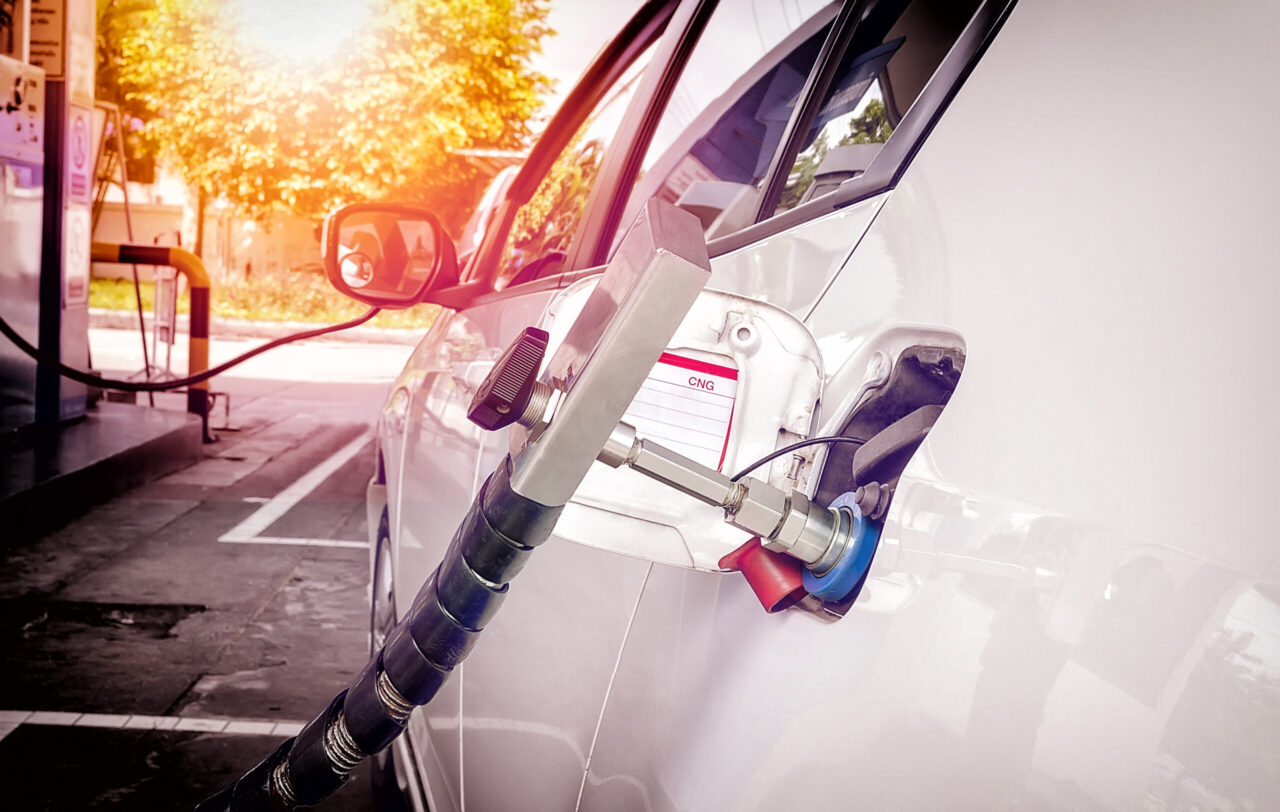
CNG (Compressed Natural Gas) and LNG (Liquefied Natural Gas) are both forms of natural gas used as fuel in the transport sector. Natural gas consists primarily of methane (CH₄) and is known for its cleaner combustion compared with traditional fossil fuels such as petrol and diesel.
CNG is produced by compressing natural gas to a pressure of around 200–250 bar. This compression significantly reduces the volume of the gas, making it possible to store and transport large quantities of natural gas in pressurised tanks. CNG is particularly popular in city buses, refuse collection vehicles and light vehicles, as it requires less storage space and is more readily available.
LNG is produced by cooling natural gas to around -162 degrees Celsius, at which point it is converted into a liquid form. This cooling process reduces its volume by approximately 600 times compared with its gaseous state, making LNG ideal for transport over long distances. LNG is stored in specially designed cryogenic tanks that can maintain the extremely low temperature. LNG is often used in heavy transport, such as lorries and ships, which require large quantities of fuel for long journeys.
CNG and LNG are used in a range of different modes of transport. City buses and light commercial vehicles often use CNG due to its wide availability and lower storage costs. Heavy goods transport and shipping prefer LNG because of its high energy density and ability to be transported over long distances without frequent refuelling.
By understanding the technical aspects, transport companies can make informed decisions about switching to these sustainable fuels. This will not only reduce their environmental impact, but also improve the cost-effectiveness of their operations and future-proof their fleets.
TSG works with selected partners to provide the necessary expertise required for the installation and maintenance of equipment used for the distribution of CNG and LNG.