Skip to content
TSG Solutions Nordics
Contact
Bess

What is a BESS system?

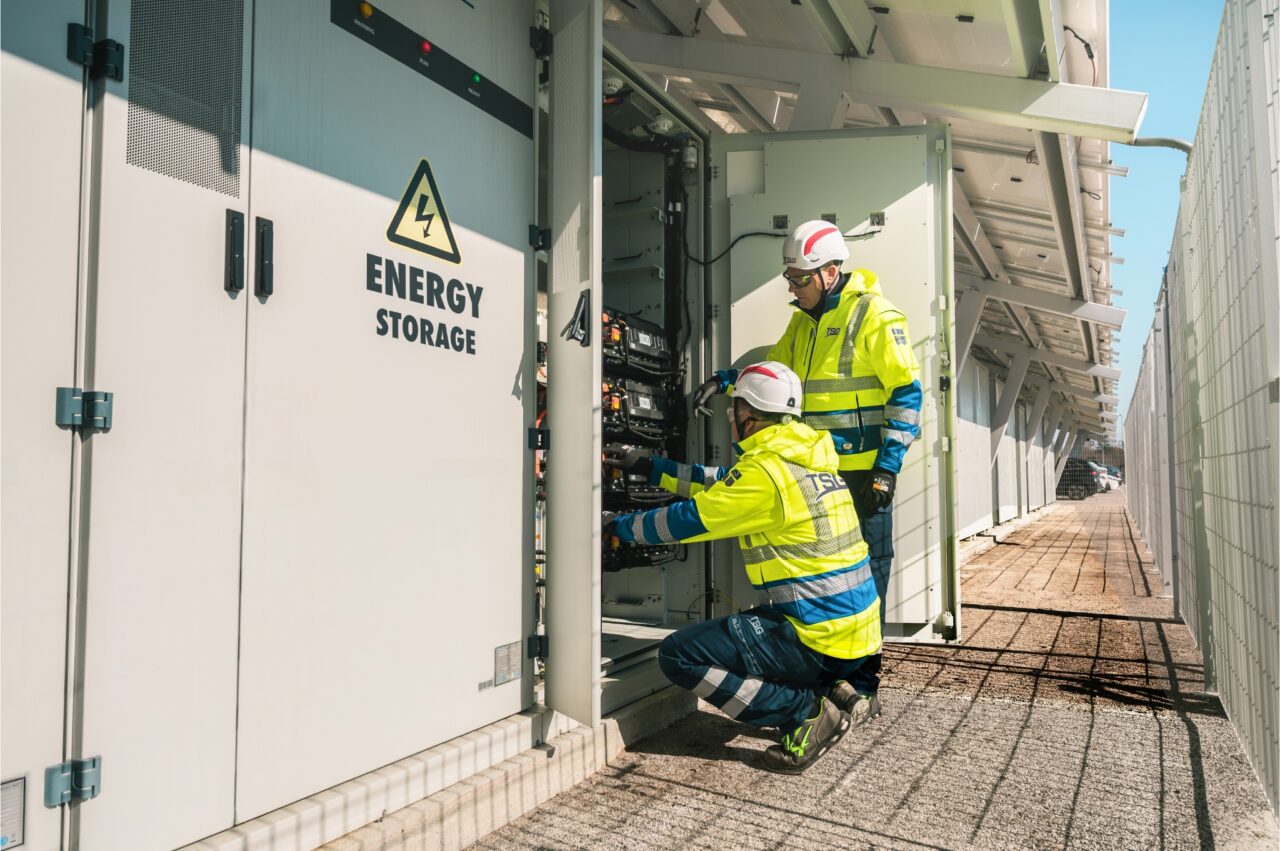
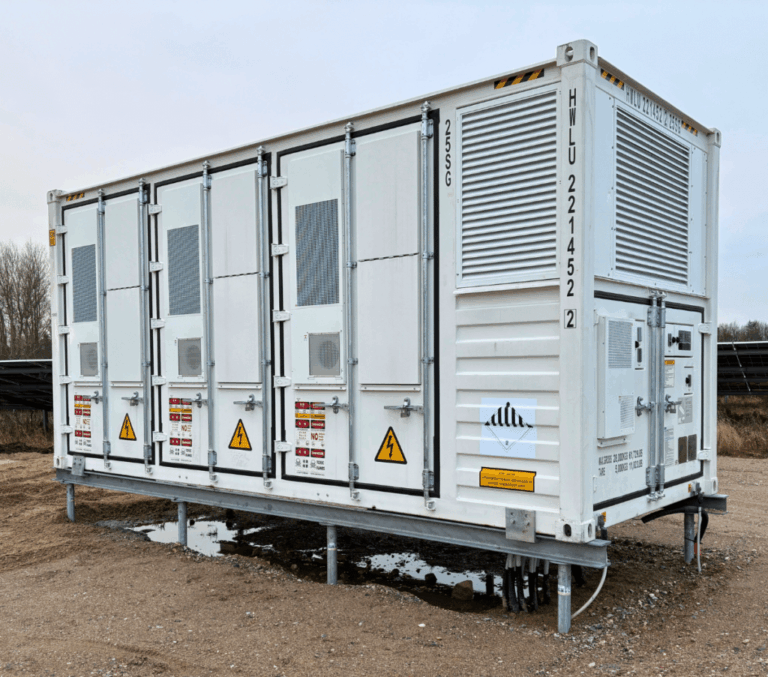
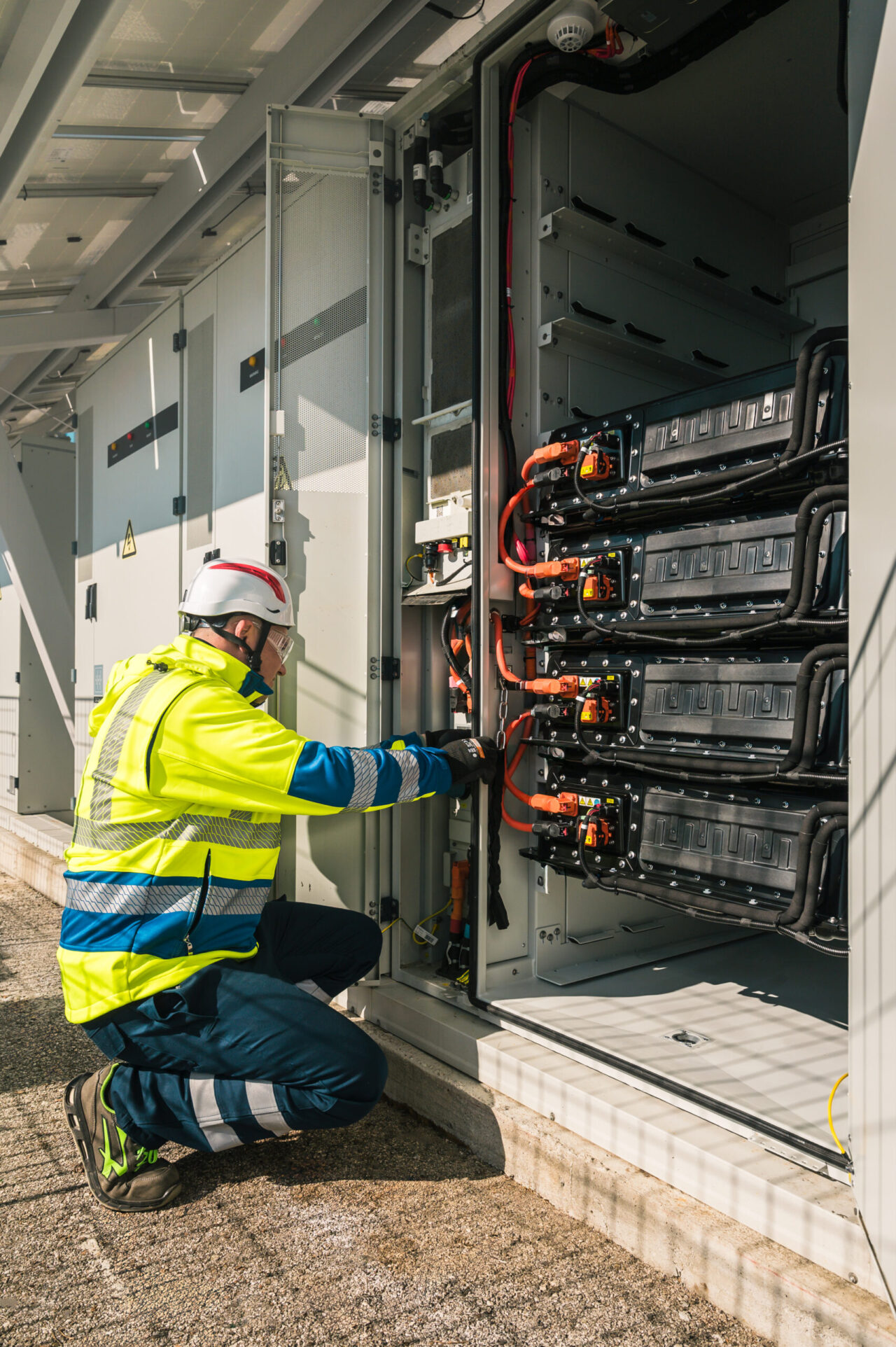
A BESS system is an intelligent battery system that stores electricity and releases it when demand or value is at its highest. The battery can be charged from the mains, from solar panels or from other renewable energy sources — and used to reduce energy costs, generate new revenue or ensure continuity of supply.

The technology responds in milliseconds, making BESS particularly effective in an electricity grid with an increasing share of solar and wind energy. In Denmark, the need for energy storage is growing: increased fluctuations in electricity prices, rising electrification and demands for flexibility are driving demand.

What can a BESS system be used for?

Integration with solar panels

Surplus electricity generated by solar panels is stored and used when electricity prices are high — or when the sun isn’t shining. This combination increases self-sufficiency, improves the ESG profile and strengthens the business case for both technologies. TSG supplies and operates both solutions under a single agreement.

Peak shaving and power optimisation

Reduce peak load costs and avoid the expense of grid expansion. Particularly relevant for manufacturing companies, logistics, refrigeration and freezing facilities, and charging infrastructure for electric vehicle fleets.

Backup and security of supply

A BESS responds in milliseconds and functions as a large-scale UPS. It ensures uninterrupted operation of critical installations: server rooms, automated production lines, cooling systems and ventilation systems. It can be combined with a generator for added resilience.

EV charging and fleet depots

A BESS for charging infrastructure manages the power load from the electric vehicle fleet and prevents costly power spikes. The TSG Charge and TSG Power provide an integrated solution — charging points, battery buffer and control system — all from a single partner.

Short payback periods and strong overall financial performance

The business case for BESS is one of the most attractive in the energy infrastructure sector. Typical payback period: 2–4 years, depending on the system and its application.

The return is generated through a combination of:

  • System services (FCR, aFRR, FFR)
  • Energy arbitrage
  • Reduced peak load costs
  • Avoided network expansions
  • Increased self-consumption from solar panels

Would you like to know what a BESS investment could do for your business? TSG will draw up a no-obligation business case based on your actual electricity consumption and circumstances. Contact us to find out more.

Three ways to generate a return

The electricity market is more volatile than ever, and demand for electricity continues to rise, whilst we work towards a carbon-neutral society by 2050. It is therefore becoming increasingly important for businesses to achieve the greatest possible energy independence as soon as possible.

With an industrial battery, you can take control of your energy supply and respond effectively to a volatile electricity market by using the stored electricity when electricity prices are at their highest.
System services and grid balancing

System services and grid balancing

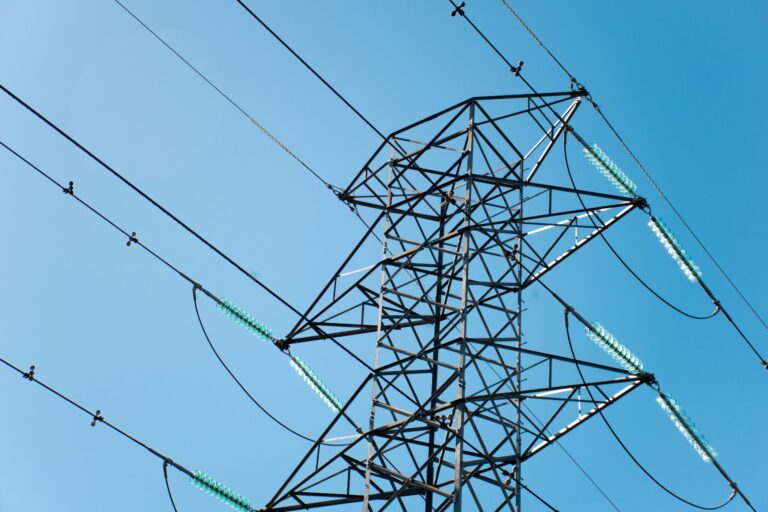
The Danish electricity grid must maintain a frequency of 50 Hz. When the frequency deviates, Energinet compensates suppliers who help to maintain balance. A BESS system reacts automatically within milliseconds — making it the most competitive technology for supplying:

• FCR (Frequency Containment Reserve)
• aFRR (Automatic Frequency Restoration Reserve)
• FFR (Fast Frequency Response)

System services run automatically and can be combined with arbitrage and peak shaving. Payback periods of 2–4 years are realistic. In active projects, returns in excess of 25 % are not uncommon.

Energy trading and arbitrage

Energy trading and arbitrage

Charge the battery when electricity prices are low. Use or sell the energy when prices peak. Intelligent software automatically manages the strategy and takes advantage of price fluctuations on the spot market around the clock.

The combination of arbitrage and system services provides the strongest business case.

Peak shaving

Peak shaving

Since 2023, the capacity tariff has been calculated partly on the basis of peak consumption. A BESS system smooths out these peaks: the battery supplies power during periods of high demand and recharges during periods of low demand. This can significantly reduce your power tax and delay or completely eliminate the need for costly grid expansion.

Case: Gubra
100%: renewable energy for the biotech industry

“This solar and battery park reflects our commitment to investing in projects that make a real difference — both for the climate and for nature.”
Henrik Blou, Chief Executive Officer, Gubra & Gubra Green

Gubra operates energy-intensive biotech laboratories in Sorø, where electricity consumption accounts for the largest share of the company’s direct operational emissions. With sustainability as a strategic cornerstone, the solution was required to ensure a supply of green electricity — without compromising the security of supply for critical research operations.

TSG, through our Danish unit NRGreen, delivered a complete hybrid solution: a 2 MW solar panel and battery farm designed to meet Gubra’s total electricity consumption with locally generated renewable energy. Energy generated during peak production periods is stored in the battery and used when demand is at its highest — ensuring an uninterrupted supply for laboratory operations.

TSG and NRGreen managed the entire project lifecycle: concept development, design, regulatory approval, construction, installation and commissioning.

Results:

  • 1,950,000 kWh generated per year
  • 306 tonnes of CO₂ saved per year
  • 100% of energy consumption met by renewable energy
  • Greater energy independence and reduced exposure to market volatility

The project demonstrates what is possible when solar power and BESS are combined by a single partner — and sets a scalable standard for future hybrid energy systems in the industrial and life sciences sectors.

Read more about the project here

Why TSG and NRGreen?

TSG is one of Europe’s largest suppliers of energy infrastructure — with over 7,000 employees in 31 countries. In Denmark, BESS solutions are provided in close collaboration with NRGreen, TSG’s specialist division for BESS and energy storage, which has 12 years’ experience in the sector and over 350 customers.

  • Nationwide service, 24/7

    TSG’s service organisation covers the whole of Denmark. Rapid response times and proactive monitoring via TSG Protect ensure maximum uptime — which is crucial for installations that generate revenue in real time.

  • Long-term security

    The TSG is here today and will still be here in 15 years’ time. That provides peace of mind when investing in infrastructure with a lifespan of 12–15 years.

  • One partner for the entire energy infrastructure

    This is where TSG stands out from most others: we don’t just supply a battery. We can integrate it into a comprehensive solution: BESS, solar panels, charging points, payment and management systems: a single platform for energy, transactions and operations One supplier. One responsibility. The complete solution.

How to get started

1. Introductory dialogue

We’ll analyse your electricity consumption, grid connection and targets. There’s no obligation and it’s free of charge.

2. Site analysis and business case

TSG draws up a detailed business case setting out the estimated payback period and potential return.

3. Design and planning

The system is sized and designed to meet your specific requirements — including regulatory approval and connection to the grid.

4. Installation, commissioning and servicing

TSG’s own technicians carry out the installation and commissioning. Typically, it takes 6–12 months from analysis to operation.

Ready for the next step?

Please contact TSG Power for a no-obligation discussion about your energy situation and the potential for a BESS system.

Contact TSG Power

Leave a message

Contact

  • This field is for validation purposes and should be left unchanged.