


Our partners

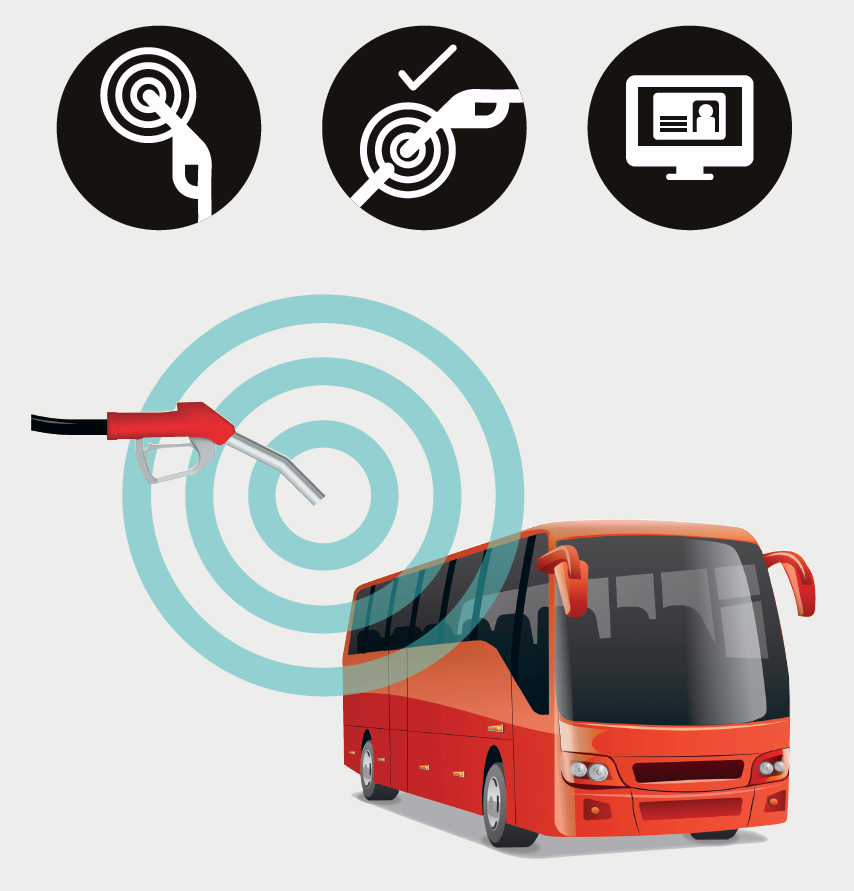
How does AVI work?
Vehicle recognition
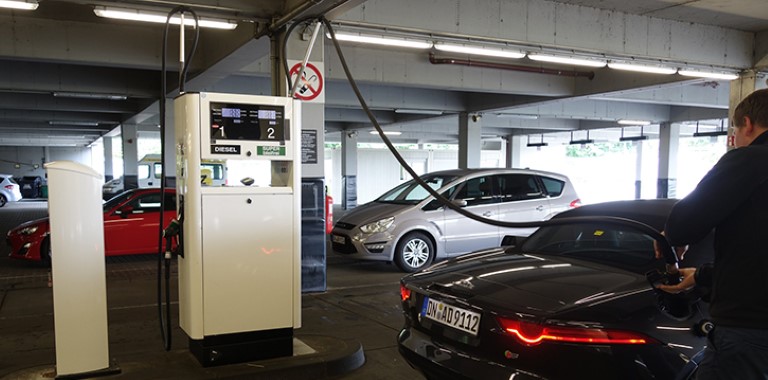
1) The gun is inserted into the tank. The information from the vehicle’s roof is validated by DiaLOG – vehicle data, odometer data and/or information about the engine’s running time are transmitted wirelessly during the authorisation process.
2) Communication between the tag fitted to the vehicle and the tag reader on the nozzle links the transaction to that specific nozzle, and only then is the fuel dispensed. The system checks the fuel type and prevents unauthorised refuelling.
3) Once refuelling is complete and the nozzle is returned to the pump, all relevant data is exported from the vehicle to the DiaLOG fuel management system. There is no need for any documents to be signed, as all refuelling information is automatically saved.
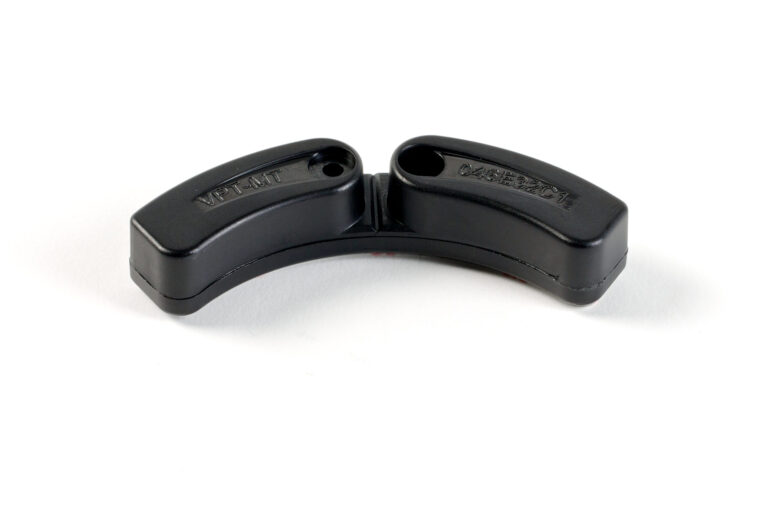
Tank roof
The vehicle’s tag is placed on the fuel filler cap. The RF nozzle communicates instantly with the tag. Refuelling can begin once contact has been established between the two devices. The connection is broken as soon as the nozzle is removed from the vehicle, thereby stopping the fuel flow – even if the nozzle trigger is held down. The requirement for a tight seal between the tag reader and the tag prevents fuel from being dispensed into jerry cans or other vehicles.
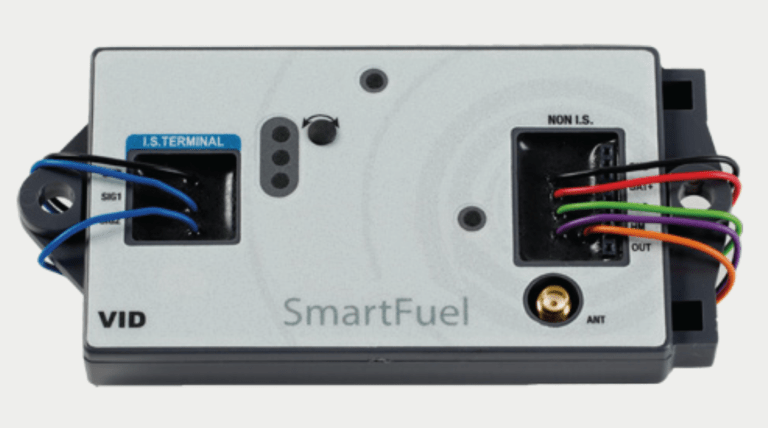
Vehicle identification number
The vehicle identifier is a microprocessor that is fitted to the vehicle. It identifies the vehicle to the fuel management system, provides data on the vehicle and fuel type, as well as any engine hours data. Odometer/distance readings are automatically transferred from the vehicle to the control unit when refuelling takes place.
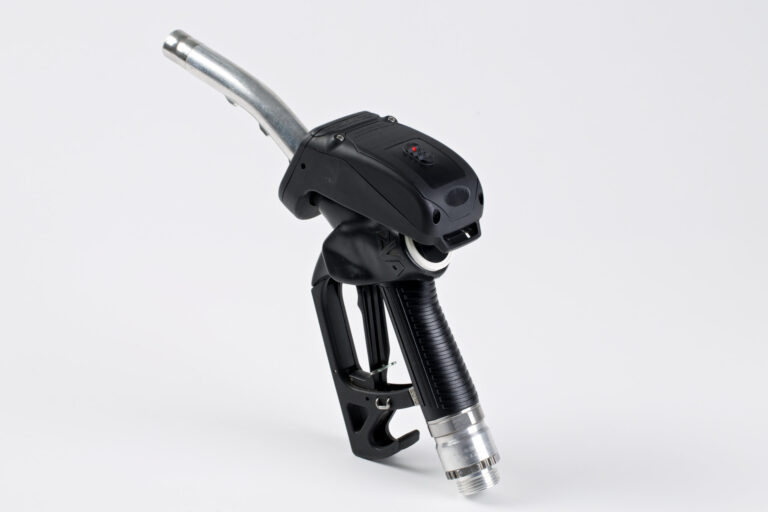
Wireless transmitter
It is the wireless transmitter, which is fitted to the nozzle, that initiates the identification process with the system. It is a robust system that is easy to install and requires no modification to the nozzle. Only when a nozzle with the correct fuel has been inserted into the tank will authorisation be granted, after which the fuel can be dispensed into the vehicle.
Find out more about AVI here.
Hertz
One story out of 40,000

With this new system, we can capture all data very easily and, most importantly, manage and analyse it. Not only has reporting become easier, but the time it takes has been halved. Switching to TSG’s equipment was definitely the right decision.