Are electric lorries the future?
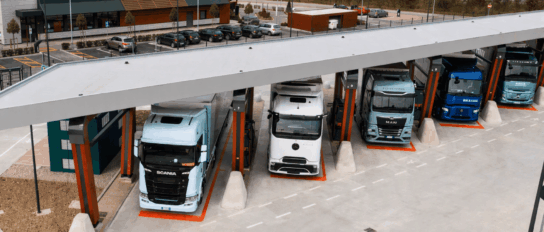
The transport industry is moving towards sustainable energy, and heavy-duty vehicles are increasingly being electrified. Economic factors and EU regulations, such as Euro 7, this trend is being driven by. According to a PwC survey One third of all lorries in Europe, North America and China will be electric by 2030. Although electric lorries face high costs and limited charging infrastructure, companies are considering EU politicians to phase out heavy diesel-powered vehicles. New restrictions in major European cities are making electric lorries a practical solution. In 2023 alone, there were 5,279 new electric lorries and 5,166 electric buses were registered in the EU.


The number of electric lorries in Europe is on the rise
The growing number of electric lorries is driving up demand for more powerful charging points, which is accelerating the development of charging infrastructure in Europe, particularly along the trans-European transport network (TEN-T). Service stations that adapt their facilities for electric lorries can benefit from this development. The technology for charging lorries is similar to that for passenger cars, but requires more power. Service stations with sufficient space for lorries can install chargers and achieve higher profits due to the greater energy consumption. Lorries also represent a stable source of business, as drivers need regular rest breaks and charging stops.
Which lorries will be electric?
All types of lorries will eventually be electrified. Distribution lorries will be the first to be electrified in order to reduce CO₂ emissions quickly. Long-haul and articulated lorries will follow, whilst specialised lorries will be the last to be electrified.
Technological advances and investment
The growing demand for electric lorries is attracting investment in charging technology. DC charging, particularly 400 kW CCS2 fast chargers, will soon be able to charge a lorry to 80% in under an hour. This addresses challenges such as range anxiety and promotes the uptake of electric lorries.
The future of electric lorry charging
Articulated electric lorries require more power, and one of the latest developments, Megawatt Charging System (MCS), can deliver over 1 MW. This system can fully charge an electric lorry in under an hour, which is ideal for long-distance drivers who need to comply with rest period requirements. According to Under EU rules, daily driving must not exceed 9 hours, and drivers must rest for 45 minutes every 4.5 hours.
Rest periods may include activities such as a light sleep, meals and a shower. Well-equipped hubs offering additional services for lorry drivers can increase their spending, whilst also attracting passenger cars, particularly on routes with few service stops. This creates an attractive destination for both drivers and travellers, which can boost revenue for service stations.

Benefits of charging points for electric lorries
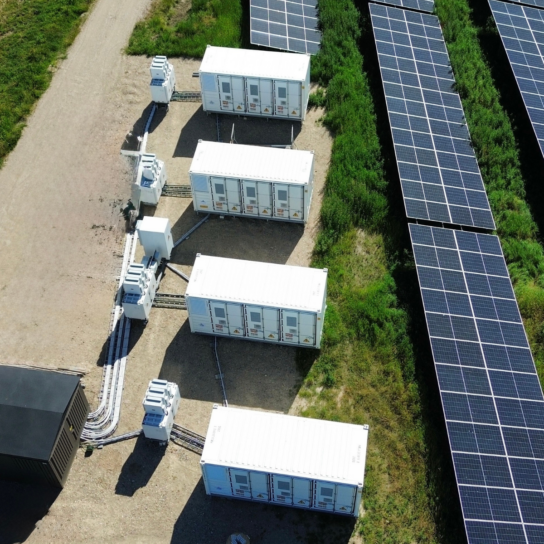
Charging stations in industrial areas, along the TEN-T network or at ports can benefit from offering charging solutions for electric lorries. These stations often have space for several large lorries and can install solar panels on covered areas to generate their own electricity. By connecting to nearby wind and solar power plants and using battery solutions for energy storage, the stations can reduce their electricity consumption from the grid and increase sustainability. Motorway service stations with better parking facilities can also implement robust infrastructure to meet the growing demand for charging. Companies can plan and reserve charging points based on lorry routes, making the charging process more efficient.

Mobility hubs of the future: A vision for petrol stations
Petrol stations need to be reimagined in order to meet the needs of increasingly demanding consumers. Digitalisation, alternative fuels, such as electricity and gas, and changing customer habits call for a new approach. The petrol stations of the future will increasingly be transformed into mobility and convenience hubs, where drivers can charge their vehicles, refuel with alternative fuels and enjoy modern facilities. This transformation requires a a fresh approach to the traditional petrol station and to the network of the future. There will be a greater focus on personalised and expanded loyalty programmes, and on exploring new areas of growth beyond traditional fuel sales. A customer-focused approach will be the key to success, whilst an improved range of services will attract all types of drivers, regardless of their vehicle.
Challenges in implementing EV charging infrastructure
In order to implement an effective EV charging infrastructure, petrol stations must overcome challenges such as insufficient power capacity and the need for detailed planning of underground networks. Proper power management is essential to ensure safe and efficient energy distribution.
The role of TSG in the transformation
TSG supports this transformation by developing multi-energy projects for heavy transport across Europe, with a particular focus on high-capacity infrastructure. We offer turnkey solutions, including design, planning, equipment supply, installation and maintenance, tailored to each customer’s unique needs.
TSG prioritises high standards of safety, health, the environment and quality (HSEQ/HSSE) in all our projects. We implement strict safety protocols and quality controls to ensure that all our energy infrastructure projects not only meet industry standards but also contribute to a safe and sustainable future. Our commitment to HSEQ/HSSE ensures that we always work with a focus on both people and the environment when delivering reliable and efficient energy solutions.
Contact TSG to get help in future-proofing your station and keeping pace with developments in the electricity sector.