
A Clear Path to Stronger ESG and Corporate Resilience
Solar energy is rapidly becoming a strategic asset for organisations seeking greater cost control, operational stability and a stronger sustainability profile. Beyond reducing energy bills, solar plays a central role in supporting Environmental, Social and Governance (ESG) reporting and reinforcing trust with customers, investors and communities.
Solar is often first considered for its financial return. However, for many organisations operating across Ireland, its value now extends far beyond cost savings alone. Solar power has become an integral part of long‑term sustainability strategy, a practical tool for strengthening ESG performance and a visible demonstration of responsible leadership. As energy markets remain volatile and expectations around climate action continue to rise, solar adoption is no longer viewed as a technical upgrade. It represents a clear statement of intent.
Businesses are increasingly recognising solar as a cornerstone of responsible growth. Expectations from regulators, investors and customers are becoming more exacting, placing greater emphasis on verified performance rather than ambition. Solar provides a clear and credible way to reduce emissions, improve environmental metrics and support transparent reporting. As sustainability frameworks become more detailed, renewable energy generation is widely regarded as one of the most effective routes to demonstrating tangible progress.
Solar, therefore, delivers a dual benefit. It strengthens operational resilience while reinforcing brand credibility through measurable environmental impact.
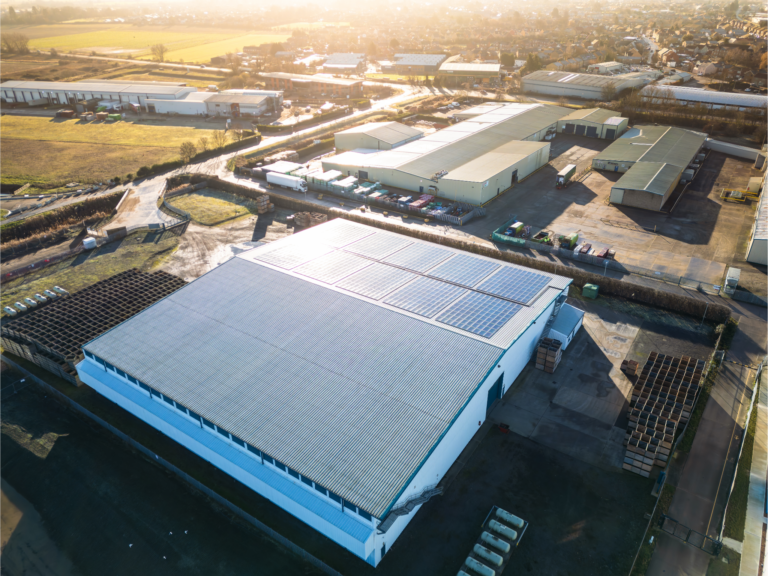
A clearer pathway to ESG accountability
Organisations are under increasing pressure to demonstrate measurable progress on emissions reduction, energy efficiency and climate‑related risk. Solar photovoltaic systems offer a direct and effective route to achieving these objectives by reducing reliance on fossil‑fuel‑generated electricity and increasing on‑site renewable generation.

For businesses aligned with European Sustainability Reporting Standards (ESRS) and IFRS climate disclosure requirements (S1 and S2), solar provides clear advantages. These frameworks place strong emphasis on data quality, transparency and verified measurement. Solar generation supports this by producing quantifiable evidence of reduced emissions and improved energy performance, simplifying climate reporting and strengthening the credibility of ESG disclosures.
Beyond compliance, solar demonstrates environmental leadership. It signals a proactive approach to climate responsibility and a willingness to invest in long‑term, low‑carbon solutions that deliver both ecological and commercial value.
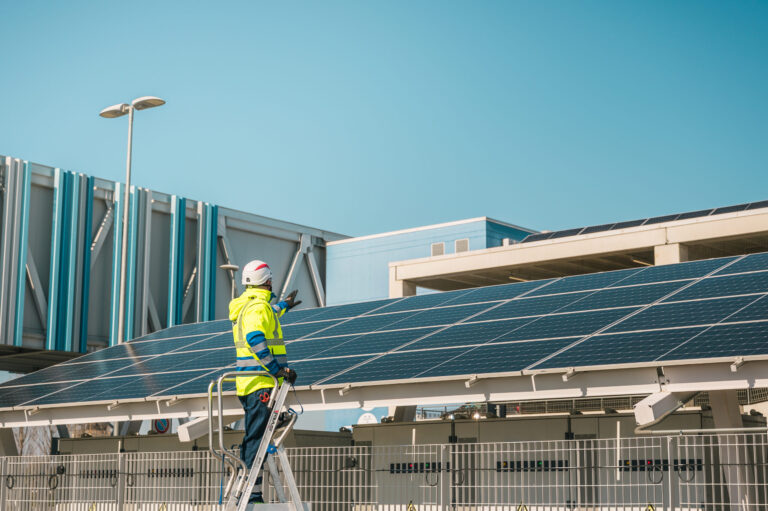
Social responsibility and community confidence
While environmental impact often dominates energy discussions, solar also contributes meaningfully to the social dimension of ESG. By reducing emissions and supporting the transition to cleaner energy, solar helps improve local air quality and contributes to national decarbonisation goals.
Solar projects also support job creation and skills development across engineering, installation and maintenance disciplines. Visible investment in renewable infrastructure can strengthen community confidence by demonstrating a commitment to sustainable development and responsible growth.
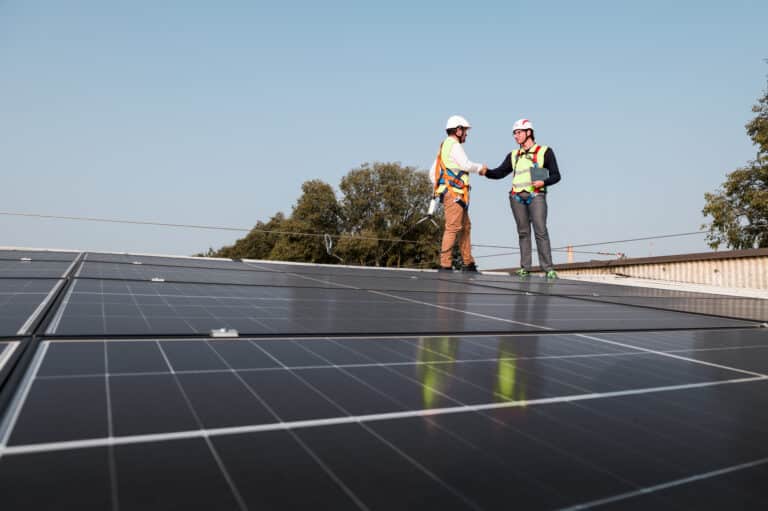
Customer expectations are evolving in parallel. Increasingly, organisations are judged not just on what they say, but on what they do. Solar installations provide visible, tangible evidence of sustainability action, reinforcing trust with customers and supply chain partners seeking to reduce their own environmental footprint.
For employees, working for an organisation that actively invests in renewable energy can enhance pride, morale and retention, particularly among younger professionals who prioritise climate‑focused employers.
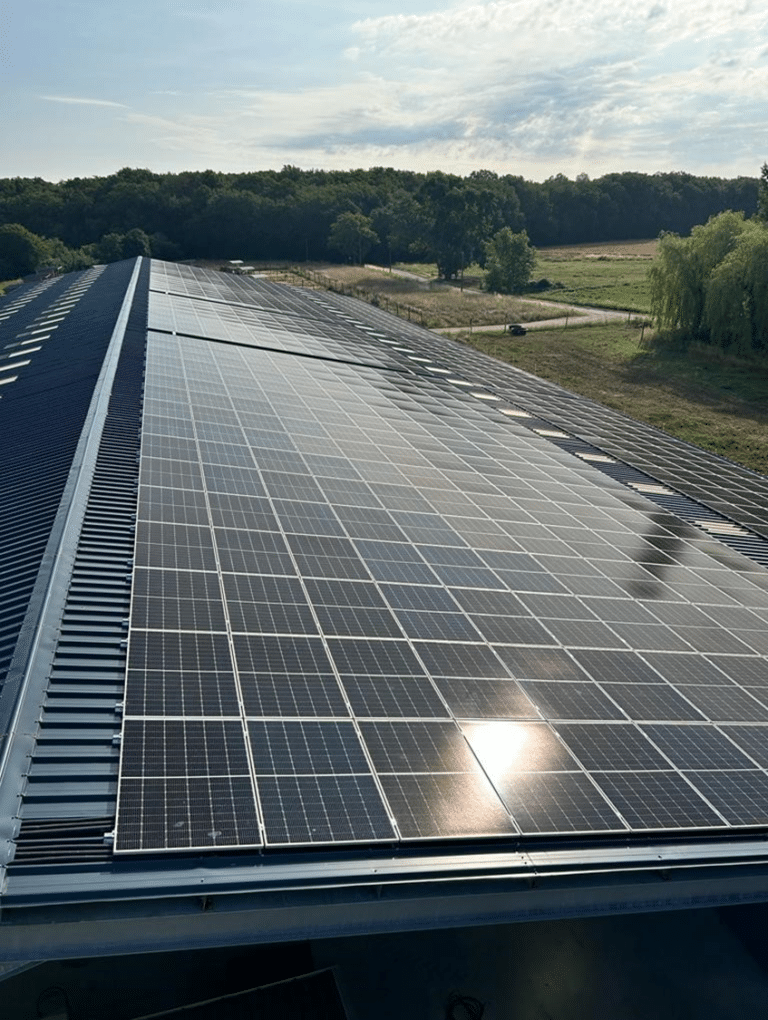
Governance strengthened by transparency and long-term stability
Strong governance relies on long‑term thinking, accountability and risk management. Solar supports these principles by encouraging structured planning and disciplined energy management. Integrating solar into an energy strategy requires careful assessment, transparent decision‑making and ongoing performance monitoring, all of which strengthen governance practices.
From a financial perspective, solar reduces exposure to energy price volatility by delivering predictable, long‑term operating costs. As energy price risk becomes an increasingly material concern, managing that exposure is now recognised as a key governance responsibility.
Solar also simplifies reporting by providing verifiable, auditable data that can be confidently incorporated into ESG disclosures. This is especially valuable as Irish and EU climate reporting requirements continue to evolve.
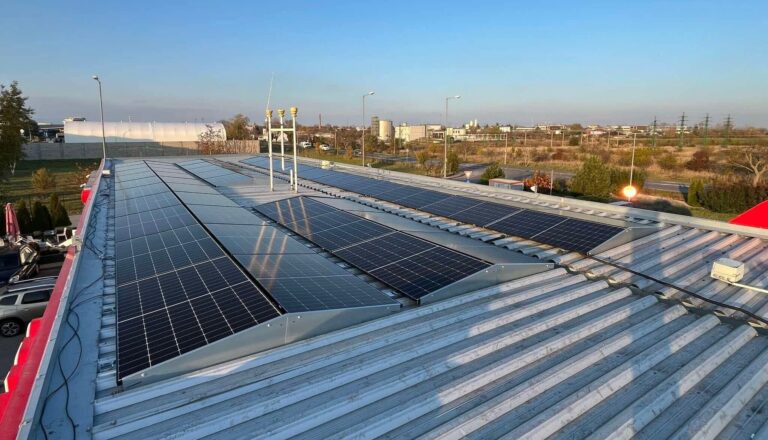
Beyond cost savings: a strategic asset for brand value
Solar power has become a powerful driver of brand value. It reinforces corporate reputation by visibly demonstrating commitment to sustainability and responsible operation. In competitive markets, solar can differentiate organisations and influence purchasing decisions by aligning brand identity with environmental leadership.
Businesses that invest in renewable energy are often perceived as forward‑thinking, ethical and resilient. This positive association supports trust, enhances market positioning and strengthens long‑term brand equity.

Solar’s role in modern reporting frameworks
As sustainability reporting frameworks become more rigorous, organisations are expected to provide consistent, comparable climate data. Solar supports this requirement by delivering straightforward, measurable emissions reduction data that aligns with ESRS, IFRS climate disclosures and recognised voluntary frameworks.
Reliable solar generation data strengthens reporting accuracy and reduces complexity, helping organisations meet disclosure requirements with confidence.
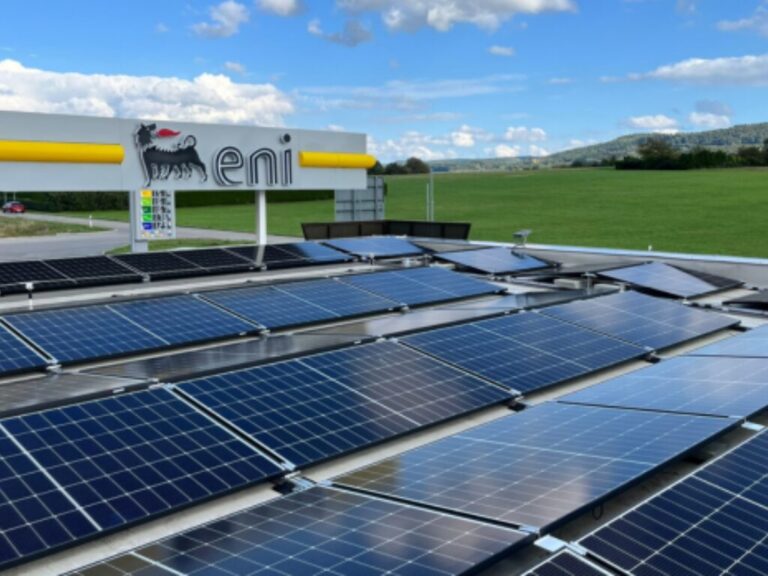
Solar as part of a wider energy strategy
Alongside its ESG benefits, solar delivers practical operational advantages. It reduces energy costs, improves energy independence and provides long‑term protection against tariff fluctuations. For many organisations, solar represents both a sound financial decision and a visible commitment to responsible business practice.
Combining solar with battery energy storage further enhances these benefits. Storage enables load shifting, peak shaving and improved resilience, while supporting grid stability and maximising the value of renewable generation.
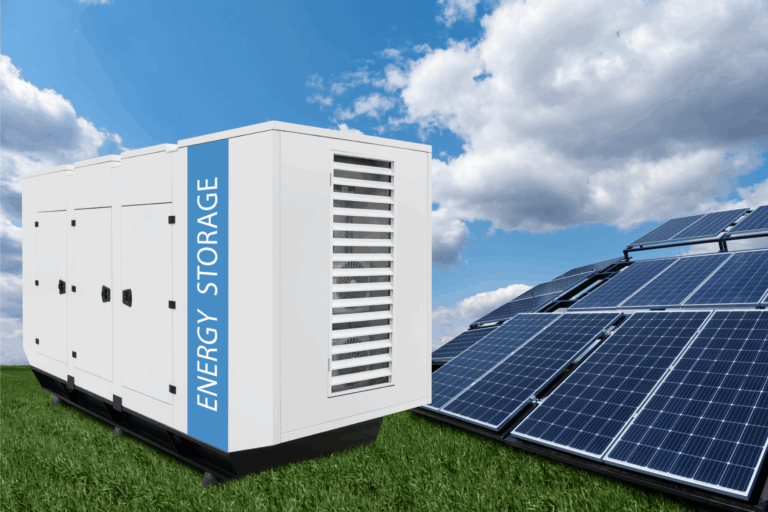
In commercial environments, integrating solar and battery storage also enables behind‑the‑meter revenue stacking. This approach allows systems to deliver multiple value streams simultaneously, including demand management, export optimisation and participation in available network services, improving payback and long‑term system performance.
TSG Solar is here to help
TSG Ireland is well-positioned to help organisations unlock the full value of solar energy. As a specialist engineering, procurement and construction partner, TSG delivers high‑quality solar installations designed to meet environmental, operational and financial objectives.
Its approach includes detailed feasibility assessments, site surveys, structural analysis and financial modelling to ensure each project delivers long‑term value. From rooftop and ground‑mounted solar PV to integrated battery storage and energy management systems, TSG provides fully managed solutions built for resilience and performance.
Supported by nationwide service and maintenance capabilities, TSG Ireland helps businesses reduce emissions, strengthen ESG reporting and take meaningful action towards a more sustainable future.