Case
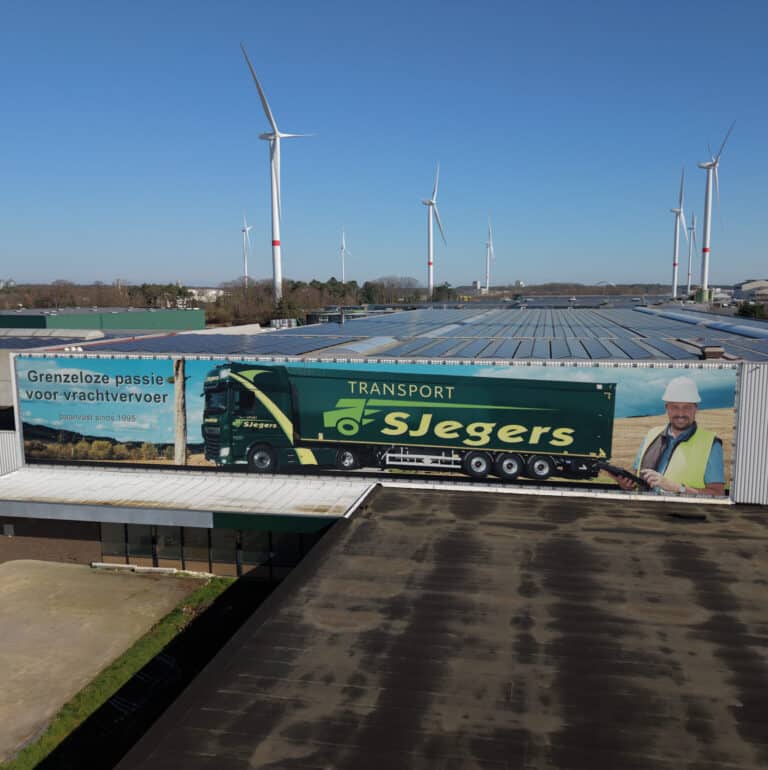
Since 1995, S’Jegers has been known for transporting containers. Every day, their drivers cover national and international routes. Freight transports are frequently conducted between global ports such as Antwerp, Zeebrugge, and Rotterdam. However, locations in France and Germany are also often the final destination for the containers. Most likely, you have even seen a S’Jegers truck on the highway in the past week.
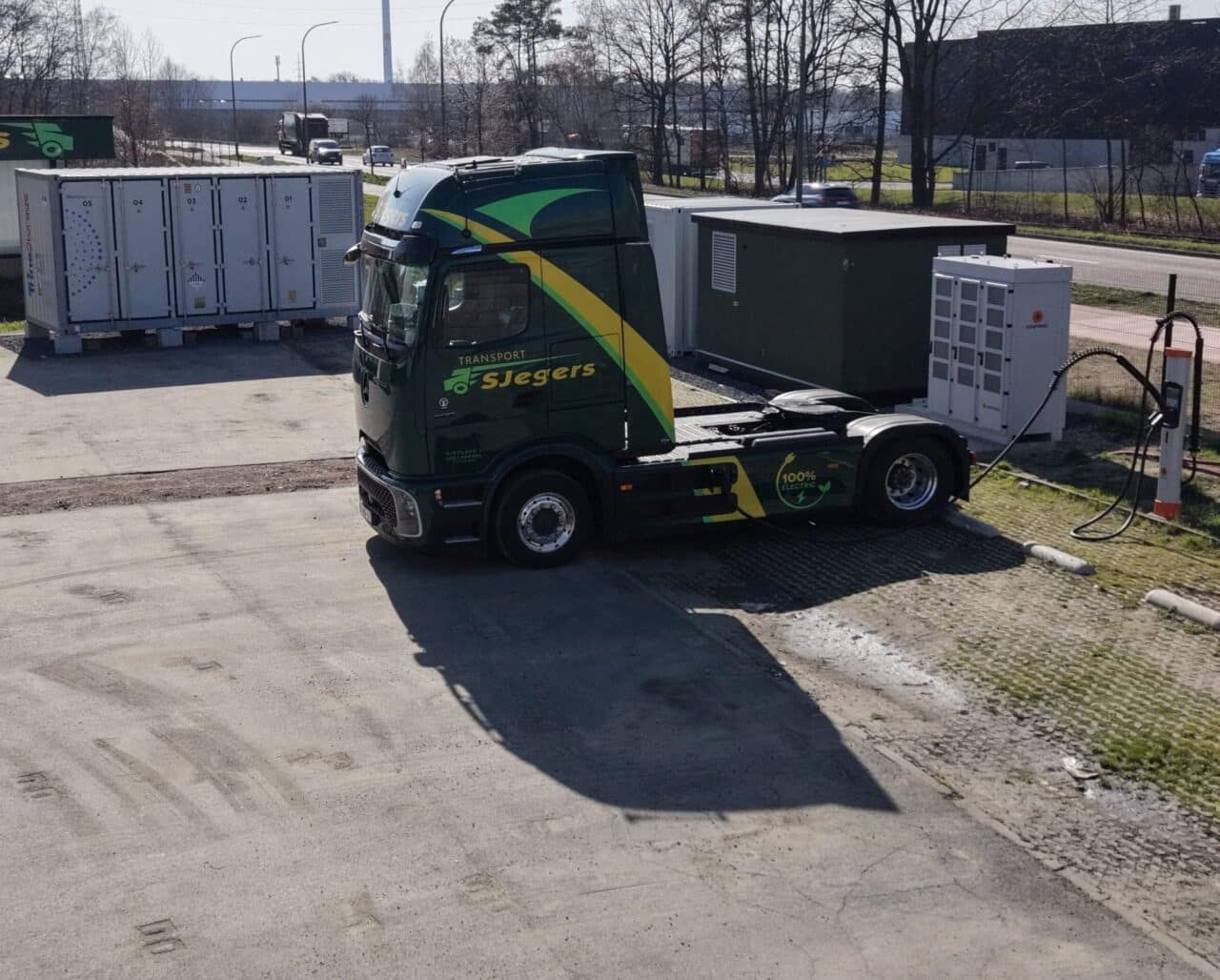
For the past thirty years, the trucks ran exclusively on traditional fuel, HVO, and LNG. The routes covered by S’Jegers consist of regional and long-distance transport. Therefore, the consideration of driving electric does not seem obvious. Nevertheless, the switch to electric trucks was a logical step towards sustainability for S’Jegers. That is why, after thorough research and careful support from TSG, they invested in e-trucks and charging infrastructure as early as 2024. However, it soon became apparent that smart energy management was crucial to making the investment profitable. The high energy peaks drawn when the trucks were charging had to be smoothed out.
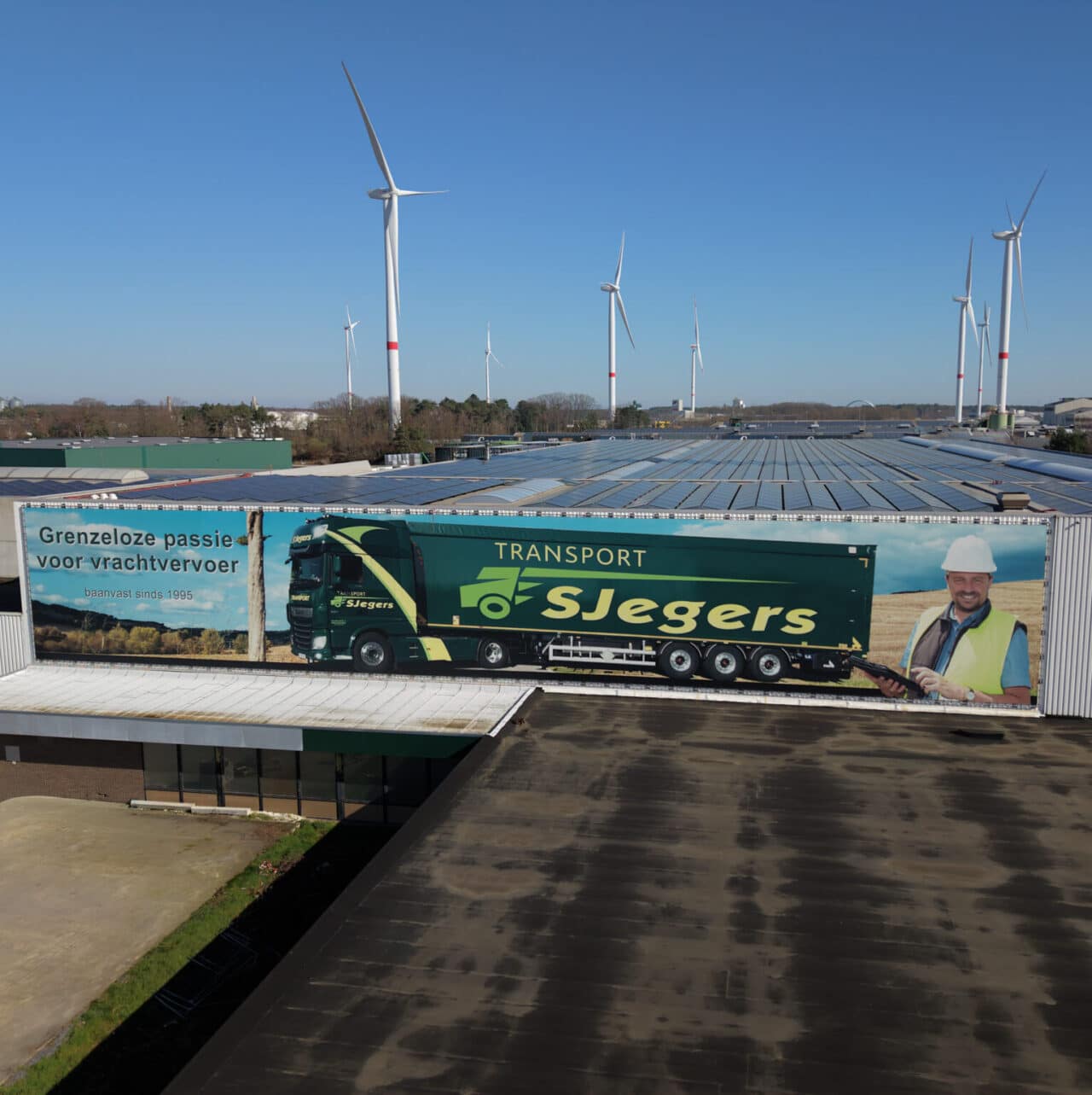
S’Jegers invested in a large solar panel park on the roof of their building. These solar panels generate more energy than the e-trucks would charge during the day. In addition, it soon became clear that the e-trucks would primarily charge at night, to be ready for the next day’s route.
How could S’Jegers ensure that its own generated energy would not be lost?
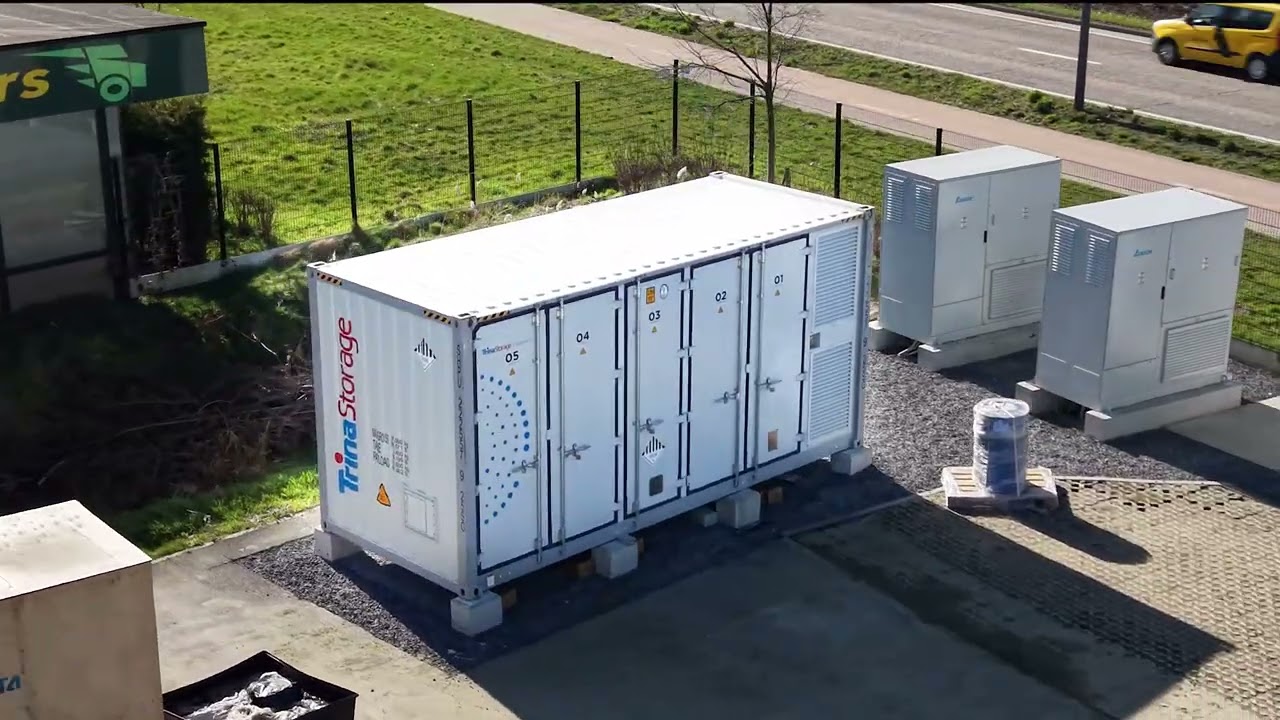
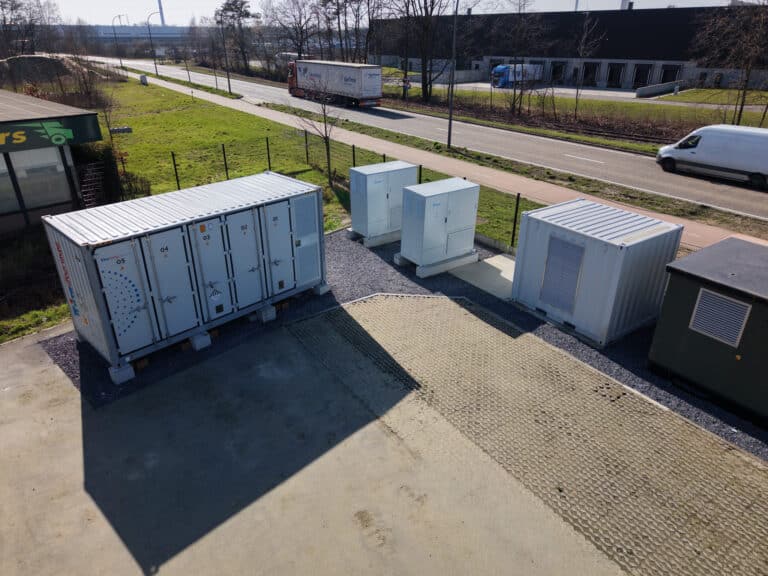
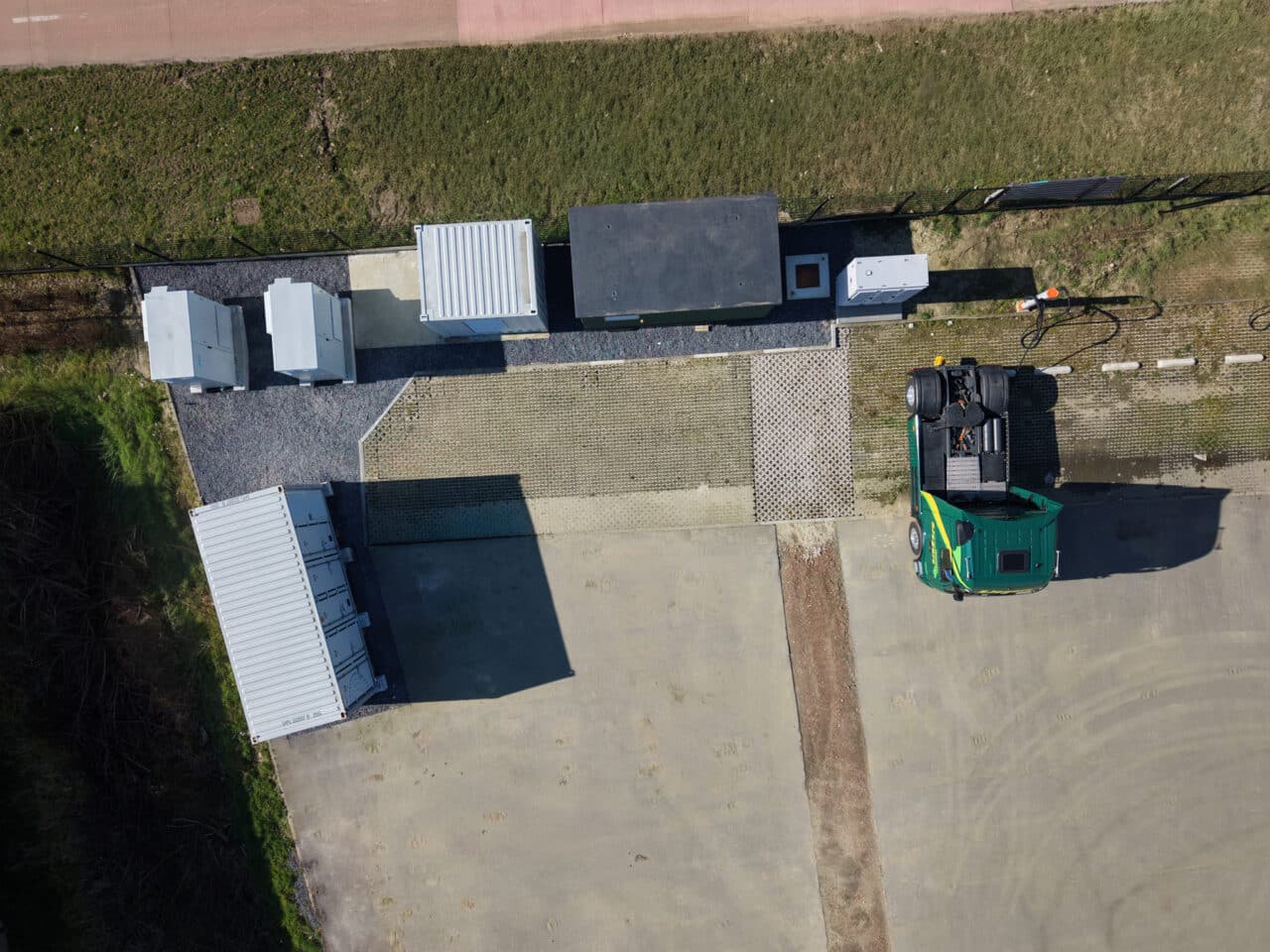
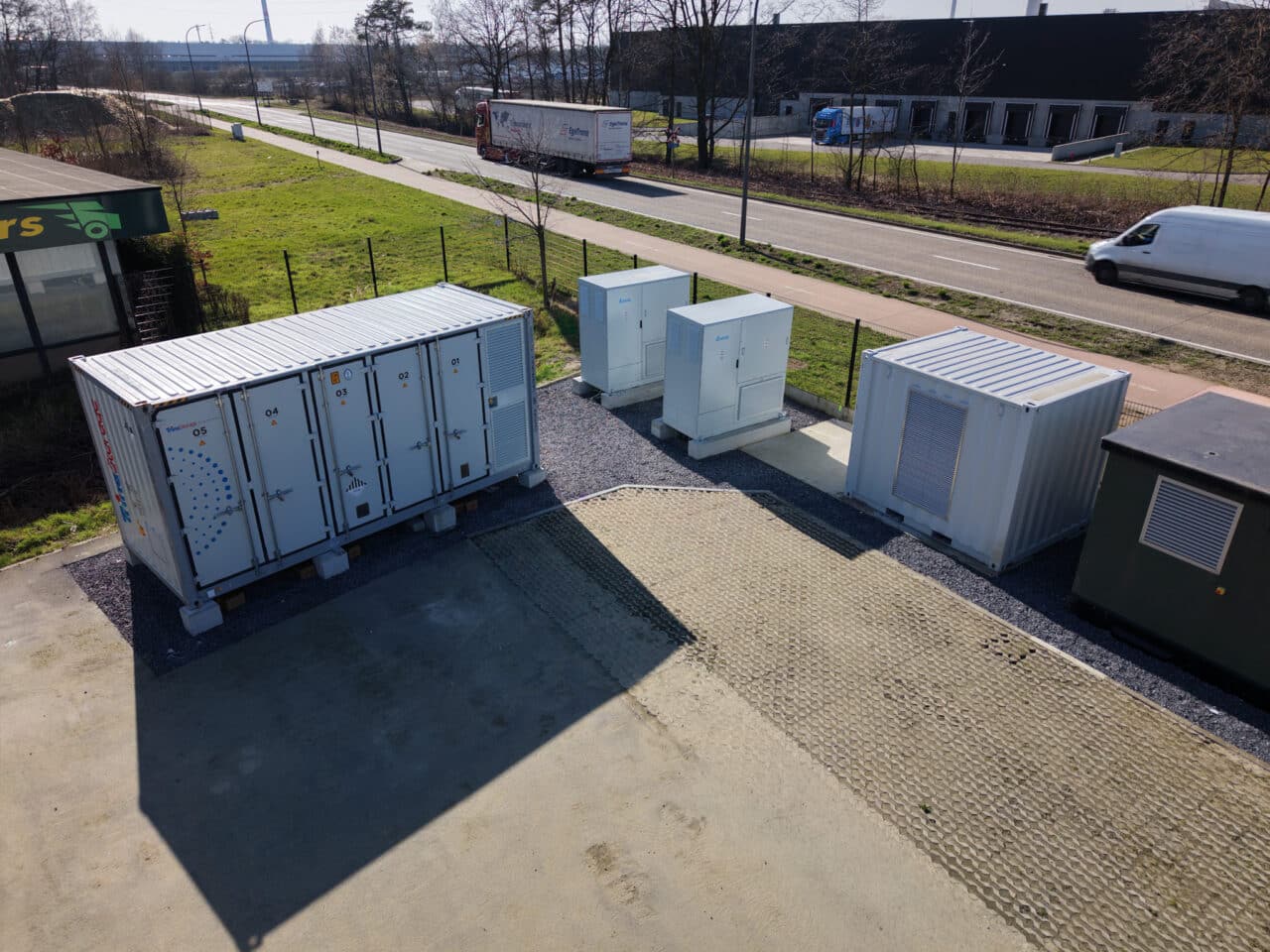
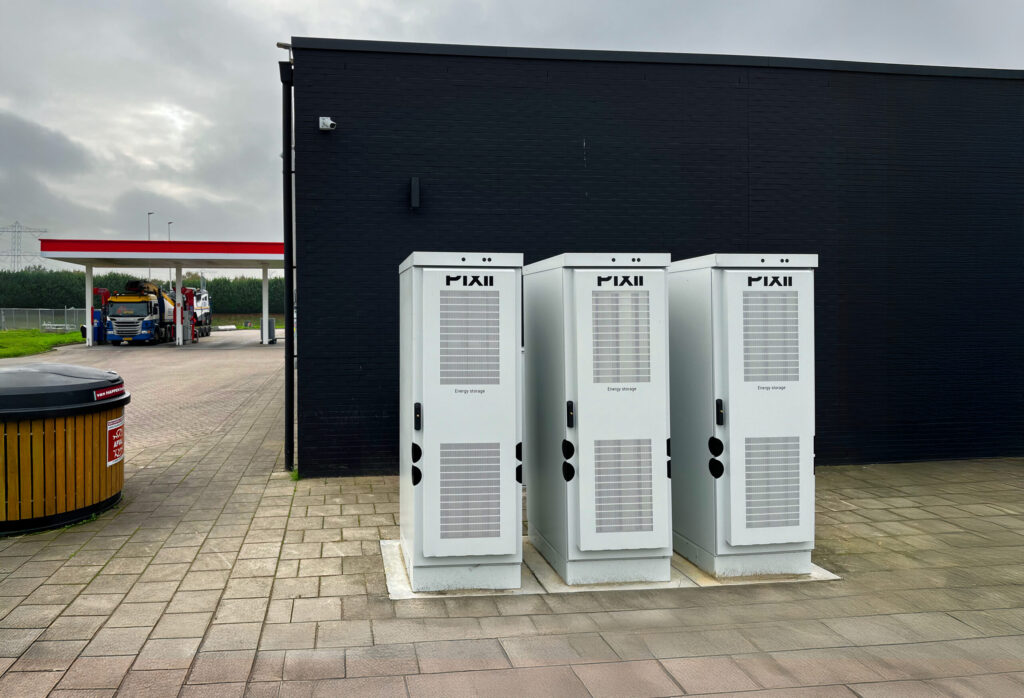
Thanks to open and close communication with TSG, a battery storage system (BESS) was quickly proposed. This would allow S’Jegers to store their own generated solar energy during the day and use it for the e-trucks at night. A 4MWh battery was chosen that continuously analyzes the situation on-site with the help of a smart energy management system (EMS). This prioritizes charging the trucks using solar energy when charging is required during the day, while the battery is charged around these times. Even in winter, when self-generation is significantly lower, the battery remains a sensible investment. At that time, the EMS system responds to the price of electricity. This allows the battery to store energy at a low rate, which S’Jegers can use at a later, more expensive time to charge the vehicles.
The project at S’Jegers serves as an example for any company looking to electrify and maintain control over its energy bill.
Everything you need to know about these installations: