The key TSG provides.
As the leader in technical services for responsible mobility solutions, TSG is uniquely positioned to deliver turnkey solutions, offering service stations, fleet operators, and bus depots tailored expertise in the design, installation, and maintenance of charging infrastructure.
Infrastructure for e-trucks.
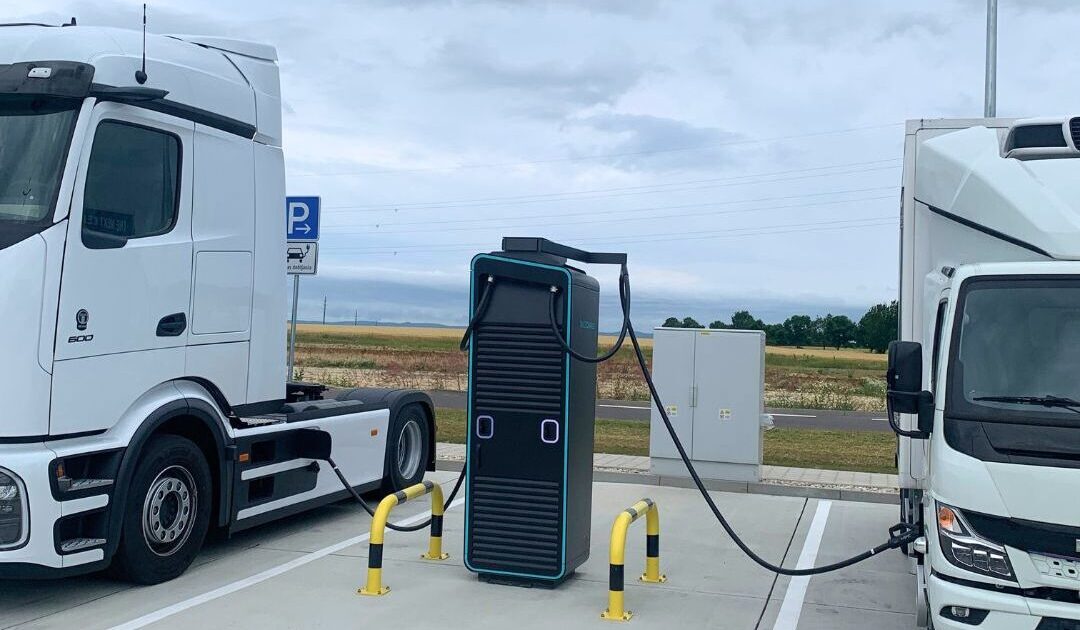
The rise of electric trucks presents an enormous opportunity for service stations to reinvent themselves as next-generation mobility hubs. TSG, leveraging its extensive expertise, is already working with service stations across Europe to prepare for the e-truck revolution. In the Netherlands, for instance, TSG is leading the development of the Whatthub project, a state-of-the-art e-truck charging hub tailored to meet future mobility needs.
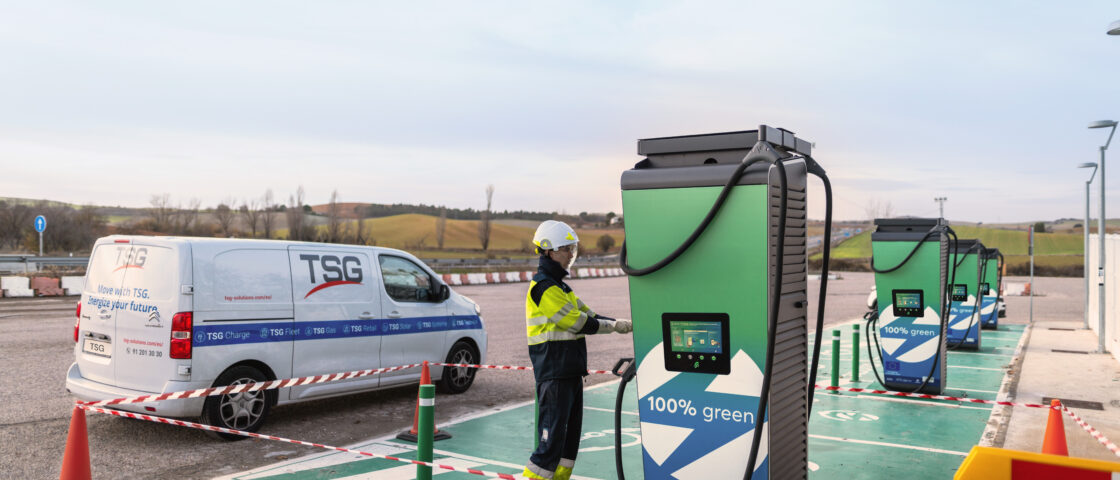
With a team of 6,000 skilled technicians physically based in all European countries, TSG provides end-to-end solutions – ensuring reliable, efficient, and sustainable charging infrastructure. By integrating high-power DC chargers, solar panels, and energy storage systems, TSG helps service stations offer optimal charging for heavy vehicles while reducing their carbon footprint.
The deployment of Megawatt Charging Systems will be a game-changer for long-haul e-trucks, enabling them to recharge during mandatory rest breaks. TSG’s technicians are experts in the design and implementation of these systems, ensuring that every station is tailored to meet the specific needs of drivers. Charging stations are designed with truck drivers in mind, offering ample parking space and additional services such as rest areas, restaurants, and gyms to enhance their experience.
In Germany, TSG is executing the large-scale Milence project at Hermsdorfer Kreuz, which serves as a prime example of the company’s expertise in large-scale e-truck charging infrastructure.
As a true one-stop-shop, TSG not only provides installation but also offers 24/7 maintenance services, ensuring that every charging station operates smoothly and efficiently, minimizing downtime for operators and drivers alike.
Supporting the electrification of bus depots.
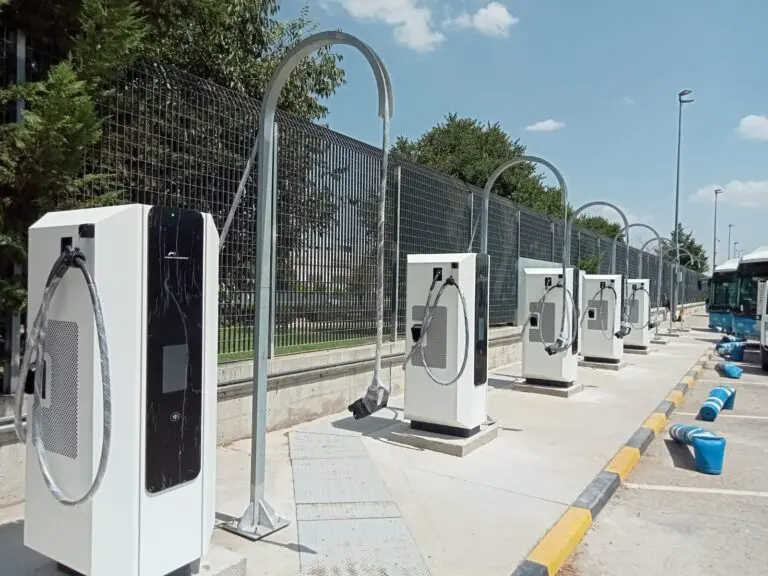
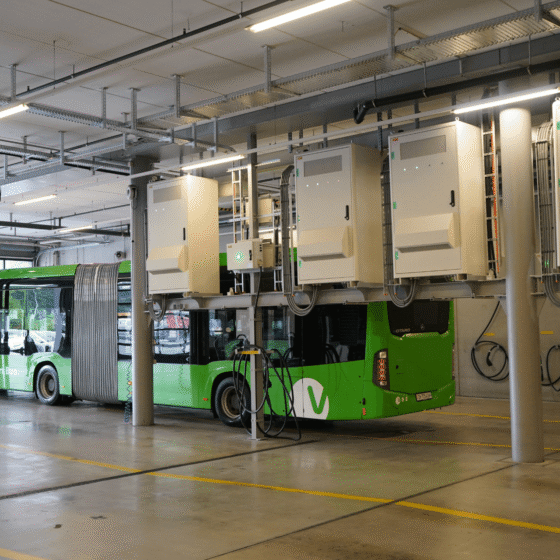
For bus operators, TSG provides fully integrated solutions that address every aspect of depot charging, from grid connections and internal power distribution to software that integrates charging operations with fleet schedules.
TSG is carrying out Engineering, Procurement, and Construction (EPC) of e-bus infrastructure in Italy with the SETA project, which spans two major depots in Reggio Emilia and Piacenza. Additionally, TSG is constructing a new e-bus depot for TPER in Ferrara, where it will also install eight chargers and two pantographs in the main city square.
By prioritizing energy efficiency, TSG’s systems enable bus operators to minimize costs while ensuring that their fleets are fully charged and ready for daily operations. Advanced energy management software also supports preconditioning, which optimizes vehicle performance by regulating internal temperatures before journeys begin.
Sustainable energy integration.
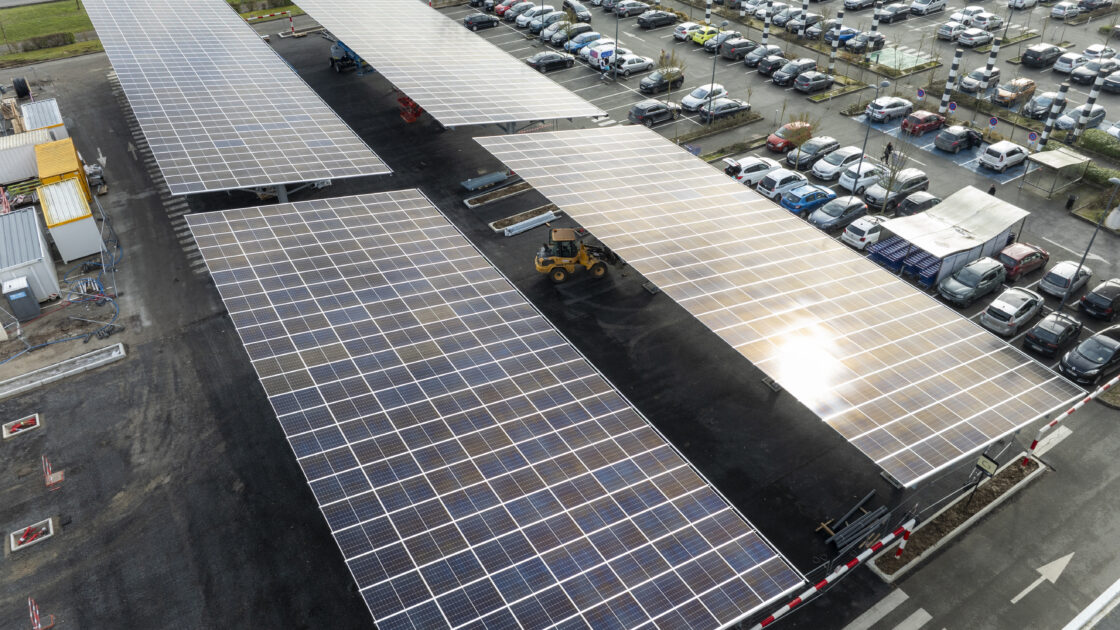
TSG’s approach goes beyond charging. By incorporating renewable energy sources like solar and wind, TSG helps operators reduce dependency on the grid and lower operational costs. Battery storage systems further enhance sustainability by balancing energy demand and supply, ensuring reliability even during peak hours. Additionally, TSG provides smart energy management solutions that optimize energy usage across sites, enabling operators to maximize efficiency.
With a deep understanding of the unique challenges faced by its clients, TSG tailors its solutions to each operator’s specific needs and circumstances. Whether it’s upgrading a service station for e-truck charging or designing a state-of-the-art e-bus depot, TSG combines technical expertise with a commitment to sustainability to deliver projects that are both innovative and practical.
As the demand for e-trucks and e-buses will grow exponentially, operators must act now to build the infrastructure of the future. With TSG as a trusted partner, they can navigate the complexities of this transition and position themselves as leaders in the era of sustainable mobility.