Solar energy: a game changer for responsible mobility

25.03.2026 Decode 6 mins read
Read the article

The framework we work within.

As the mobility ecosystem electrifies, energy sourcing is becoming a decisive operational challenge. For fleet operators, retailers and energy distributors, solar power is emerging as more than just a sustainable option: it’s a concrete answer to the growing complexity of managing energy on-site. 

With the deployment of EV charging infrastructure accelerating, many operators are now confronted with new energy constraints. Connection delays, grid limitations and on-site capacity issues increasingly interfere with installation schedules — especially when high-power chargers are involved. In this context, solar energy, combined with battery storage, offers a credible solution to secure and optimise energy usage locally. 

By combining photovoltaic systems with smart integration, solar energy allows logistics platforms, forecourts and mobility hubs to meet part of their own demand, reduce dependency on the grid, and create new headroom for infrastructure development — particularly for EV charging. 

While solar energy adoption continues to grow, the mid-sized B2B segment — between 50kWp and 2MWp — remains structurally underserved. Clients in this range often fall between two market extremes: local installers without integration capacity, and utility-scale developers focusing on large infrastructure projects. 
The gap we face.

Energy and infrastructure constraints.

For many operators, going solar is no longer a strategic debate — it’s an operational one. The real challenge lies in turning solar into a functional, reliable system that fits with existing infrastructure, charging needs and regulatory constraints. 

A successful project must be precisely sized, technically compatible with local systems, and able to interact with transformers, batteries and charging stations already in place. It also requires close attention to performance tracking, safety and maintenance over time. 

These systems are particularly useful in locations where grid capacity is limited or reinforcement timelines are uncertain. 

Regulatory and market pressures.

Some regulatory frameworks are reinforcing this dynamic. In France, for example, all parking areas over 1,500 m² will be required to include solar canopies in the coming years. Other European countries are tightening their emission thresholds or offering new incentives for on-site production and self-consumption. 

Clients in this range often fall between two market extremes: local installers without integration capacity, and utility-scale developers focusing on large infrastructure projects. 
Operational performance expectations. 

For professional clients, this means having reliable access to power for EV charging, lowering exposure to energy price volatility, and creating the conditions for greater autonomy on-site. It also means ensuring compliance with regulations and anticipating future demands — without compromising on safety, performance or business continuity. 

The key TSG provides.

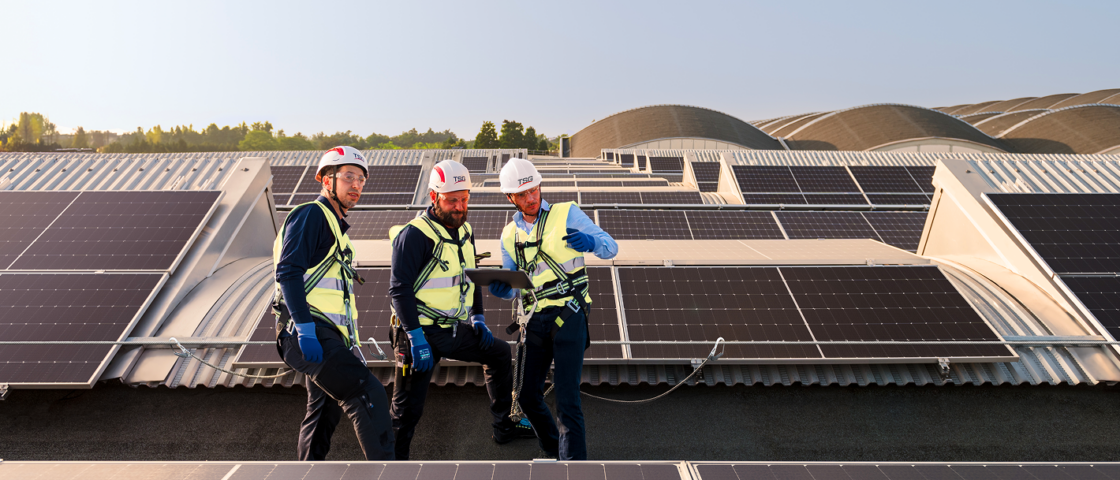
That’s where TSG brings value. The Group supports clients across Europe with the ability to deliver fully integrated solar installations — not just panels, but systems that work. From feasibility studies and permitting to civil engineering, electrical integration, and long-term maintenance, every stage is handled with professional mobility needs in mind. 

Each installation is designed according to the site’s energy profile, usage patterns and technical constraints. This integrated approach allows clients to accelerate deployment, reduce coordination complexity, and ensure consistent performance — whether it’s a retail chain deploying 20 similar sites or a logistics platform with custom load profiles. 

TSG integrates battery storage systems to store excess solar production for later use, stabilise energy flows on-site, and reduce grid dependency during high-demand periods.


  • At Trieste Airport, for example, TSG co-developed a 3MWh battery installation in combination with a large-scale solar project. The system enables the airport to meet up to 80% of its daytime energy demand with self-generated electricity, while powering mobility infrastructure and terminal operations — even during consumption peaks. 
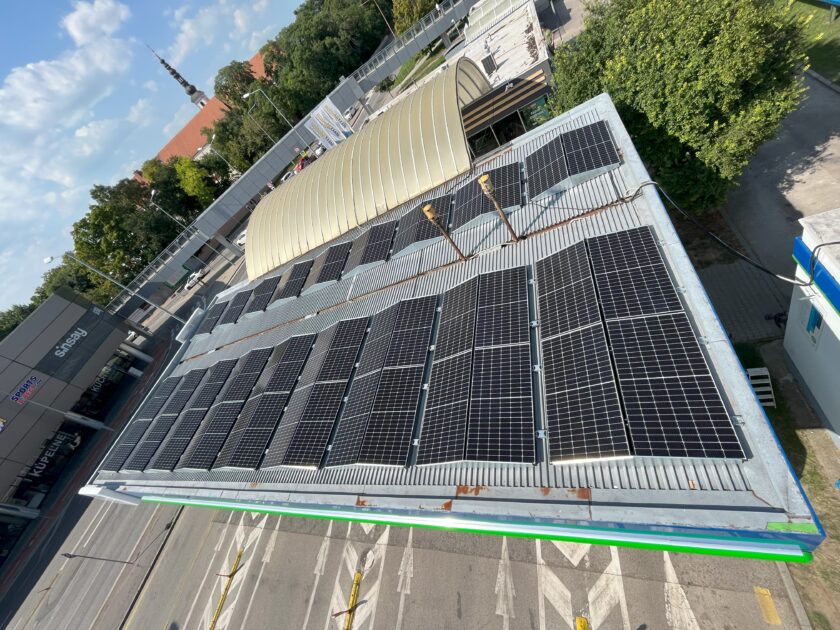
  • In Italy, a multi-phase rooftop installation designed and built by TSG now exceeding 1MWp combines solar generation with battery storage and peak shaving. The system helps reduce electricity costs while securing the charging infrastructure of a large logistics operator. 
  • In France, solar canopies have been installed on several TotalEnergies sites, including Volcans d’Auvergne and Ferrière. Ranging between 10kWp and 30kWp, these systems supply on-site charging hubs and contribute to the station’s autonomy. 
  • In Spain, a 300kW battery system was deployed by TSG at a fast-charging hub to compensate for limited grid capacity. The storage unit buffers demand during peak hours, reducing the strain on local infrastructure and ensuring charger availability. 

In each case, the configuration is adjusted to reflect not only regulatory or grid conditions, but the operational priorities of the client — whether it’s business continuity, speed of rollout, or performance guarantees. 

TSG positions itself in this strategic middle ground. With pan-European coverage and industrial execution standards, the Group provides consistent, scalable support to mobility professionals — helping them deploy solar solutions aligned with their needs, timelines and technical contexts. 

TSG’s approach is based on one idea: that integrating energy systems is the key to making the mobility transition work. And solar is now a critical part of that equation. 

Key takeaways.

The Tangible Impact of TSG Solar Solutions.

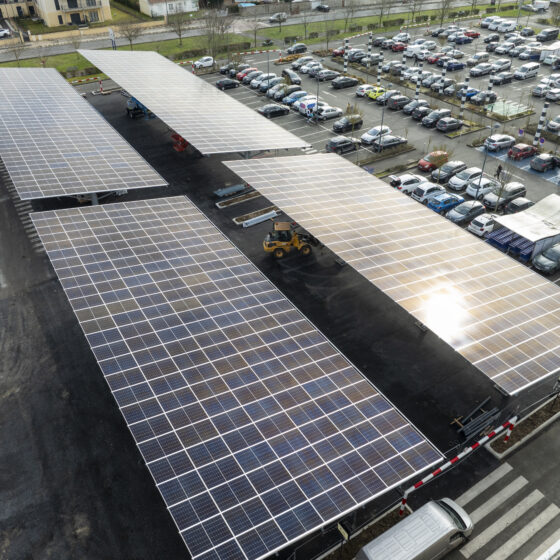
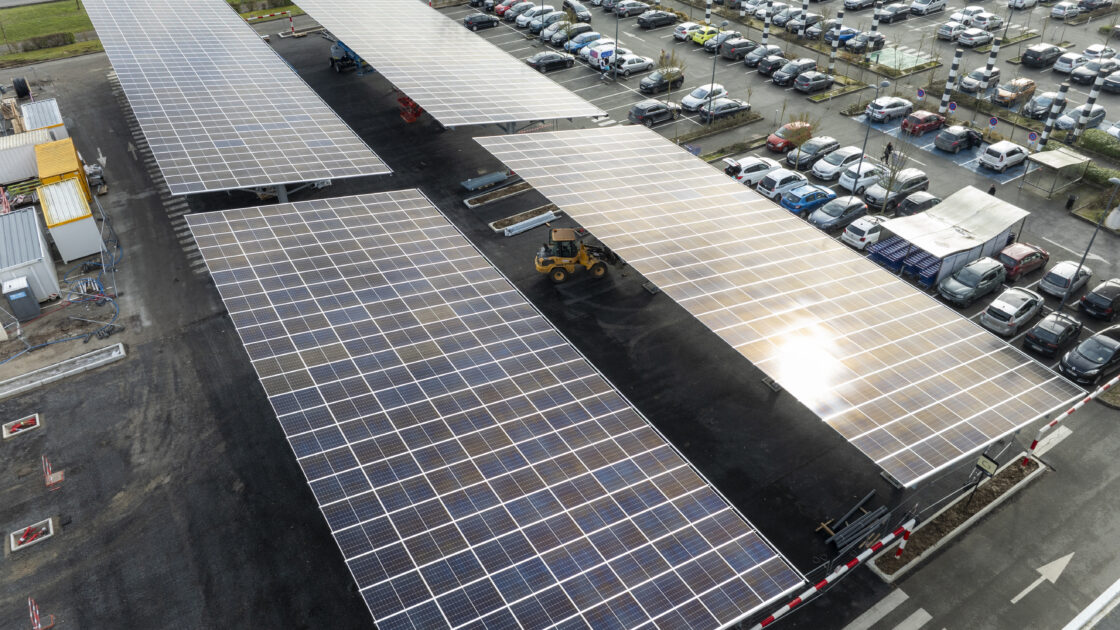
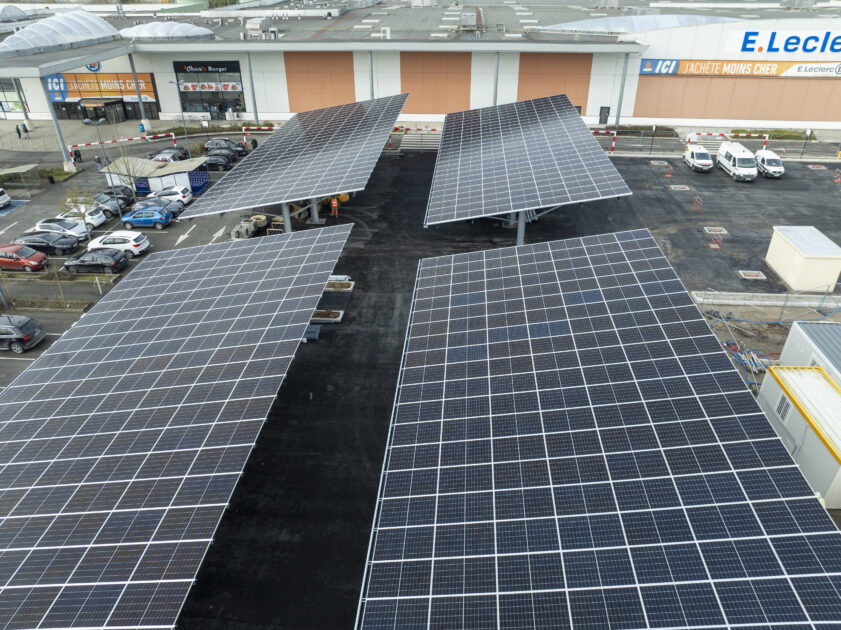
The E.Leclerc shopping center in Plessis-Belleville entrusted TSG France with the design and installation of a photovoltaic carport project aimed at optimizing its parking area and supporting its energy transition. With a total installed capacity of 831.6 kWp, the system allows for self-consumption of electricity produced. This project, designed and implemented by TSG France, contributes to reducing the site’s energy costs and reinforces its CSR image.

Photovoltaic Carport Installation at the Leclerc Supermarket Parking Lot, Plessis-Belleville.

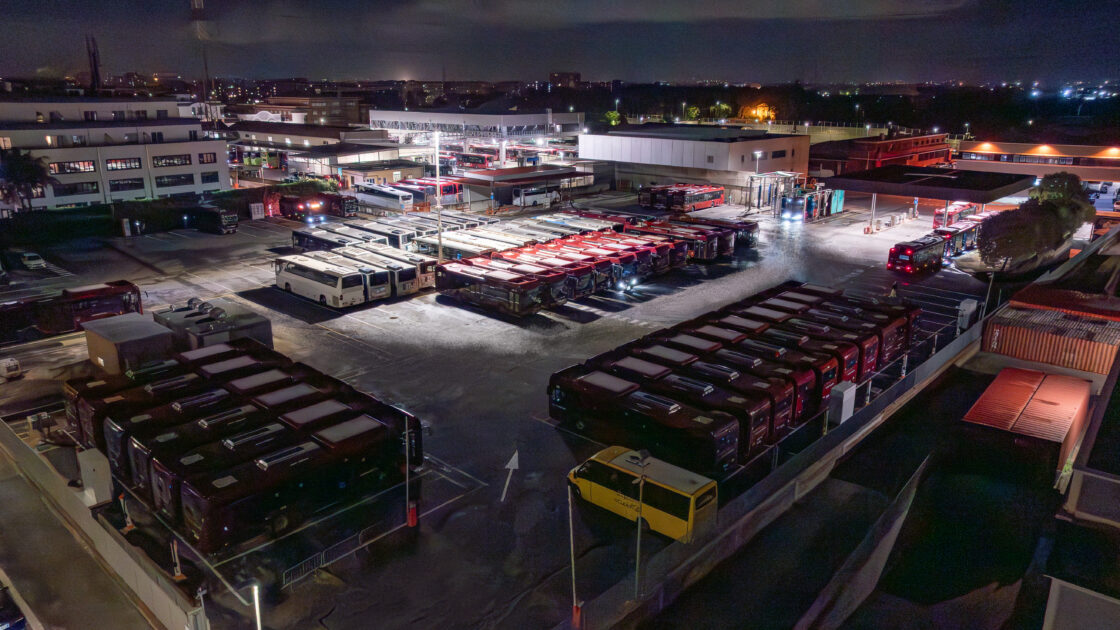
Electric buses are coming: How will depots adapt for charging infrastructure?

Read More