The framework we work within.
Across Europe, businesses are accelerating their energy transition to meet ambitious climate goals set by initiatives like the European Green Deal and the Net Zero Industry Act. This shift is not just about switching to cleaner energy sources; it requires a comprehensive approach that optimizes electricity, mobility, and energy management.
Optimizing EV charging with solar energy.
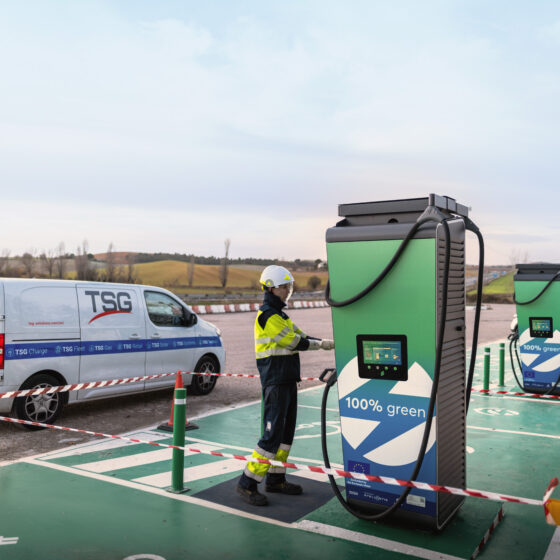
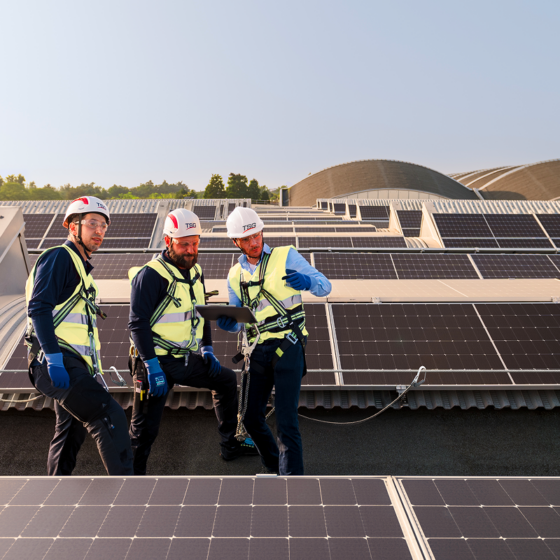
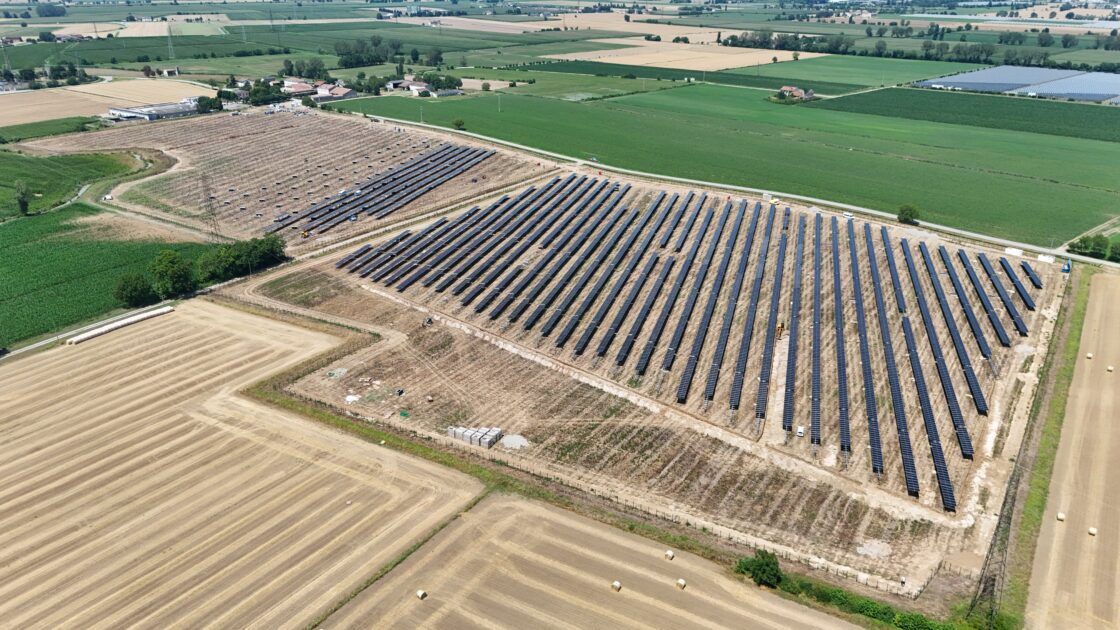
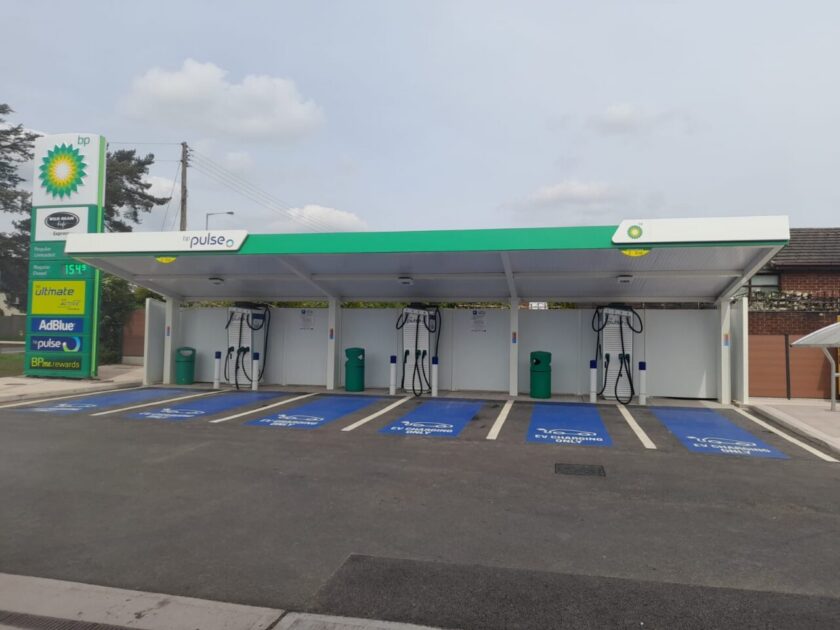
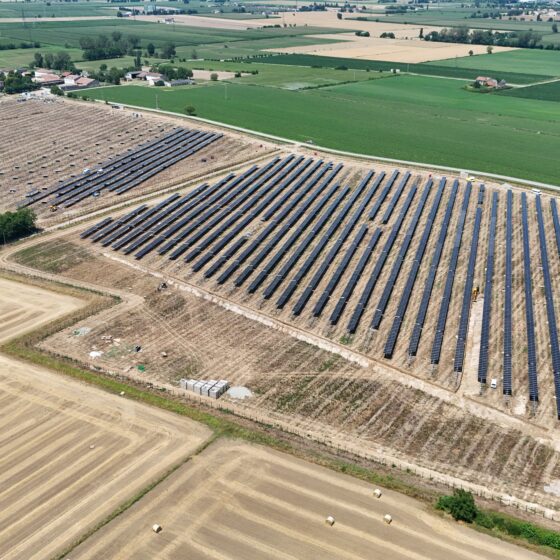
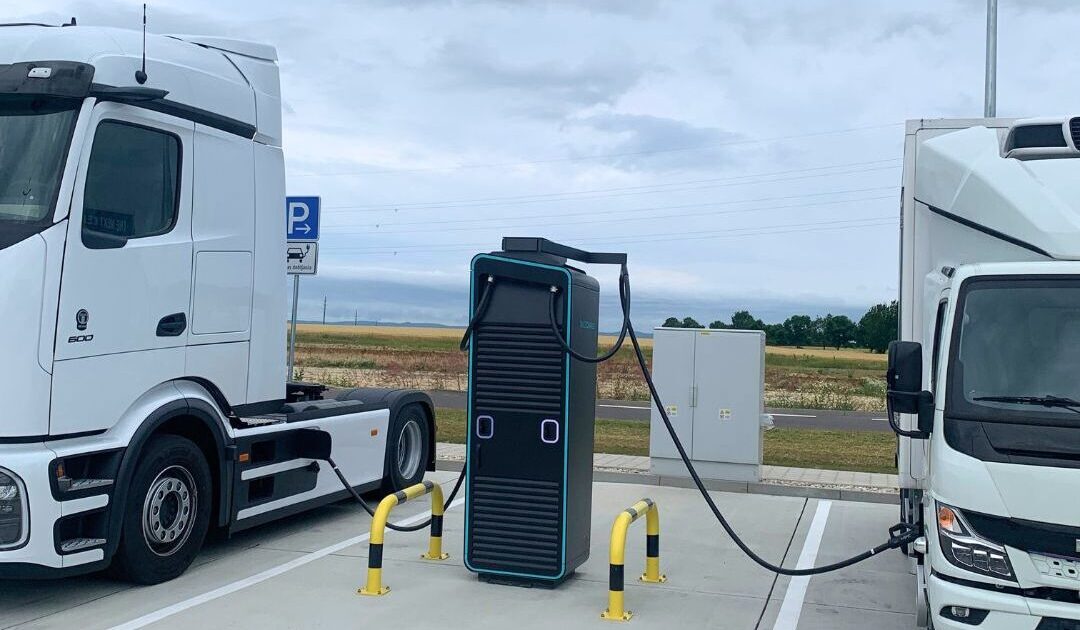
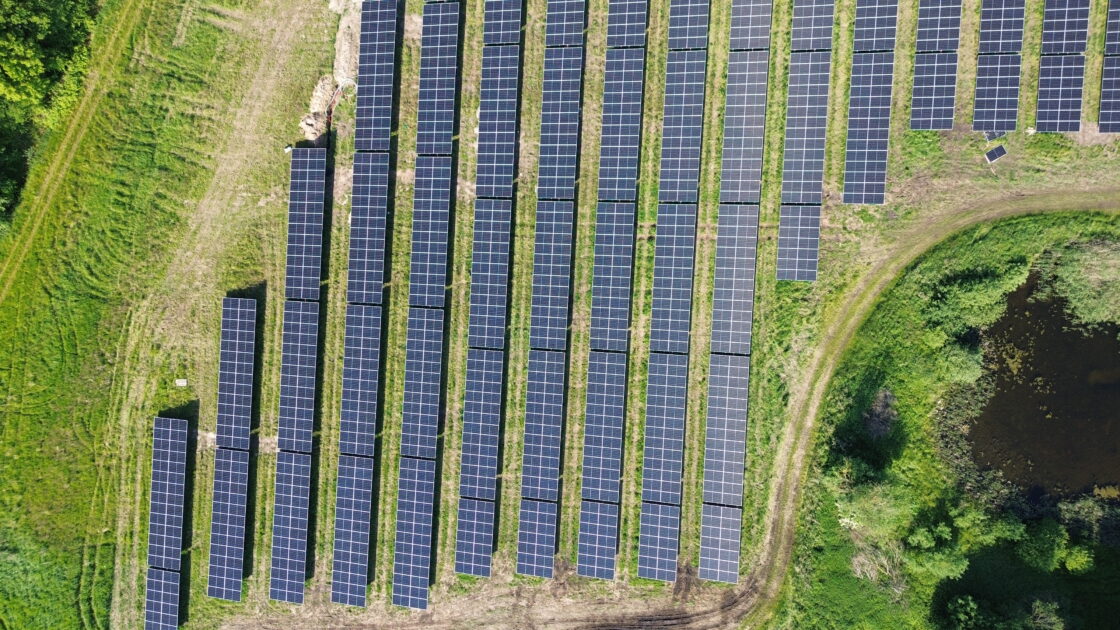
One of the most immediate ways businesses can take control of their energy consumption is by producing their own electricity on-site. At logistics hubs, commercial centers, and mobility stations, TSG deploys solar-powered EV charging stations, integrating photovoltaic panels into canopies to maximize self-consumption of renewable energy.
For example, TSG has equipped over 70 TotalEnergies fast-charging forecourts and hubs across France and Africa with solar canopies ranging from 10 to 40kWp. These canopies not only provide shade and weather protection but also supply renewable electricity for charging infrastructure and site operations. Notable installations include the 29.5kWp solar canopy at Aire des Volcans d’Auvergne and a 28kWp system at the Aire de Ferrière – Bussy St Georges.
By using solar energy to power EV chargers during the day, businesses gain greater energy autonomy and resilience. Any surplus electricity can be stored for later use or fed back into the grid, further improving efficiency and reducing exposure to fluctuating energy prices.
Beyond just charging stations, this ability to store and strategically manage energy paves the way for a broader optimization of energy flows across a site.
Energy management is about more than just charging vehicles or producing and storing solar power, it’s about ensuring electricity is available where and when it’s needed most. Many businesses still operate with disconnected energy systems: separate EV chargers, solar panels, heating and cooling infrastructure, and facility operations.
Energy infrastructures are no longer just passive assets, they drive cost efficiency, resilience, and sustainability.