The framework we work within.
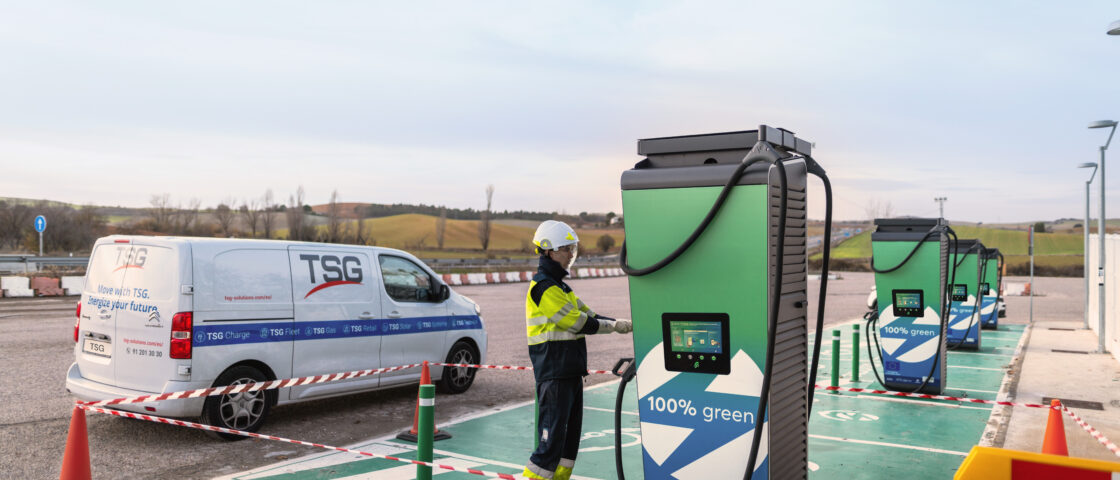
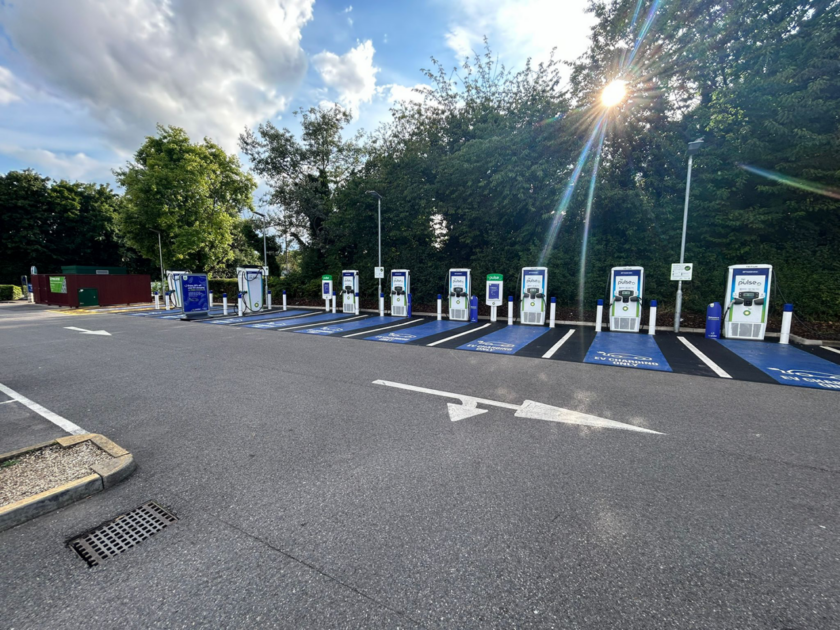
The world is moving towards a multi-energy approach on mobility, and the adoption of electric vehicles by consumers and fleets plays an important role in supporting the reduction of CO₂ emissions. Service stations are on the forefront of the energy transition, with several opportunities to evolve to comprehensive mobility hubs.
In the first eight months of 2023, one million fully electric vehicles (EVs) were sold in the European Union (EU). At the beginning of November that year, Europe also reached the milestone of 600,000 charging points, just a few months after reaching 500,000 EV charging points. The figures show that 2023 will be another relevant year for the European EV market.
The transport sector is moving in the direction of greener, multi-energy mobility. This is consequently changing driving habits with the gradual introduction of electric vehicles, which are 4.4 times more efficient in using energy than internal combustion engine vehicles (ICEs) to move the same payload. EVs are also becoming cheaper for consumers, thanks to support mechanisms on the way to cost parity.
One of these mechanisms is the Fit for 55 plan, a regulatory incentive from the European Union to support the shift to a future with diverse energy options. The Fit for 55 is accelerating the technological development and making manufacturers prioritise carbon-neutral vehicle options, thereby promoting more sustainable mobility.
The Fit for 55 programme also addresses the need for development with the Alternative Fuels Infrastructure Regulation (AFIR). It stipulates that all major motorways in the EU must have fast-charging stations every 60 km with a minimum capacity of 150 kW for cars and 350 kW for trucks. It sets out further requirements, such as a simpler and more transparent process for paying for the energy used to charge vehicles.