Gas, plural by nature… and by design.
Most people speak of “gas” as if it were a single solution. In practice, the term covers a family of molecules — each with distinct characteristics and technical implications.
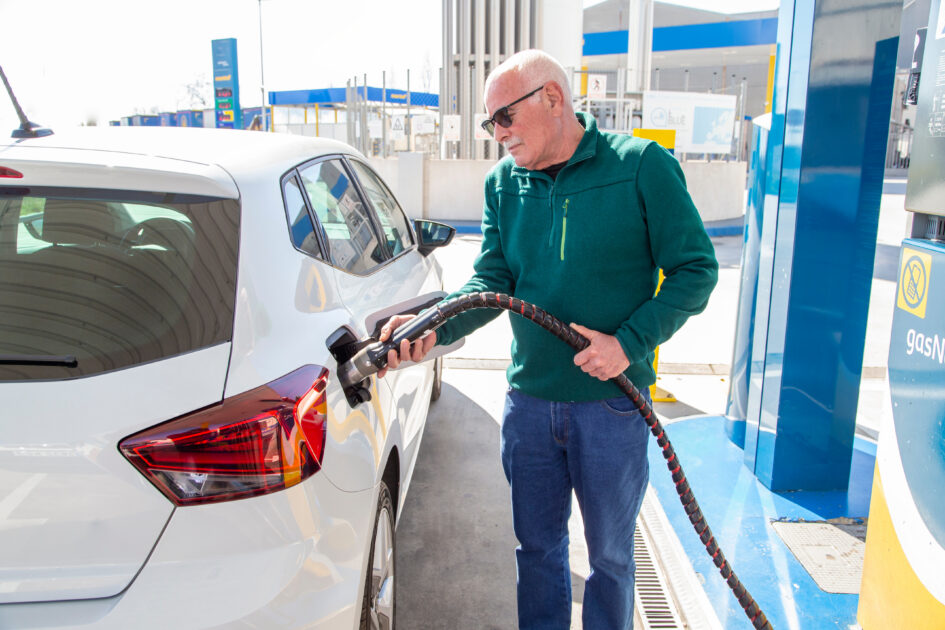
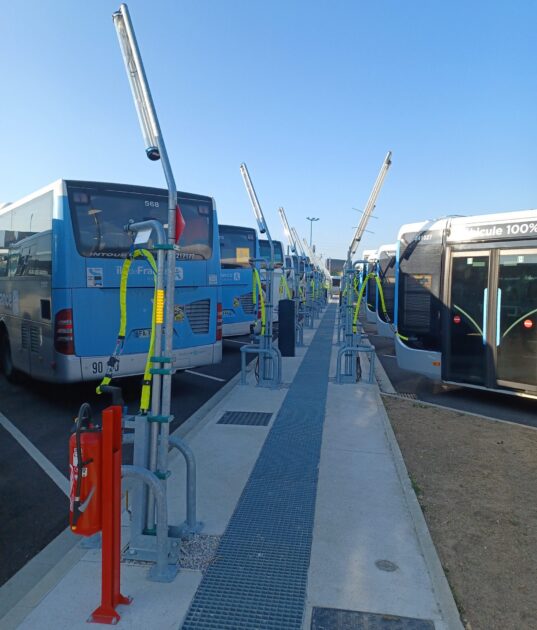
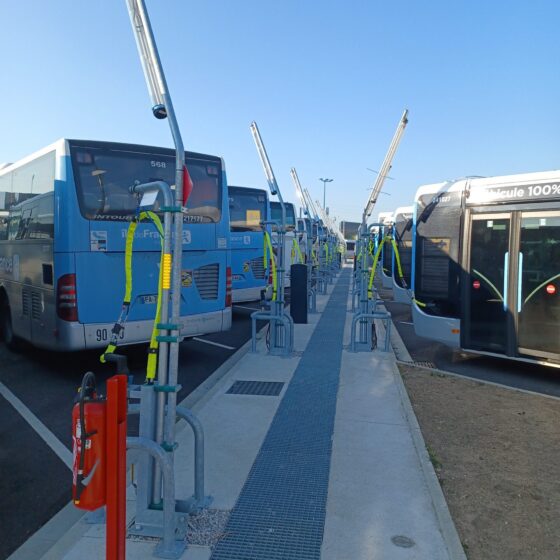
Compressed Natural Gas (CNG), transported via pipeline and stored on-site under pressure, is particularly suited to urban applications like city buses, refuse trucks and delivery fleets.
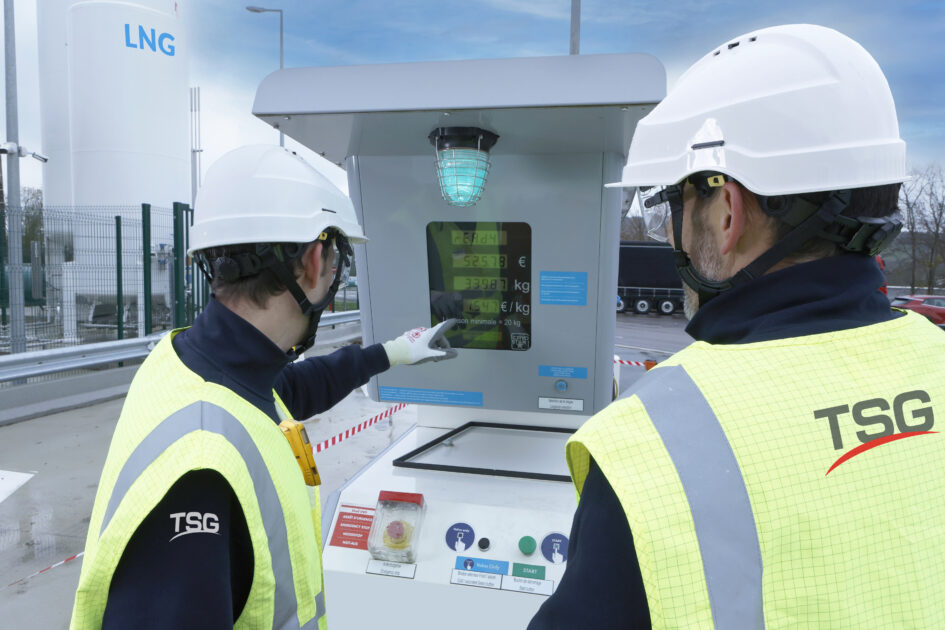
Liquefied Natural Gas (LNG), cooled to -162°C and stored in cryogenic tanks, provides the range required for long-haul transport across areas with limited pipeline access.
Liquefied Petroleum Gas (LPG), first gas molecule to be used for mobility at the end of the XXth century and still predominant in regional markets where it remains prevalent, offers compact and flexible configurations for specific fleet types.
Across all formats, biogas is emerging as a low-carbon alternative, compatible with existing infrastructure and increasingly injected into national grids.
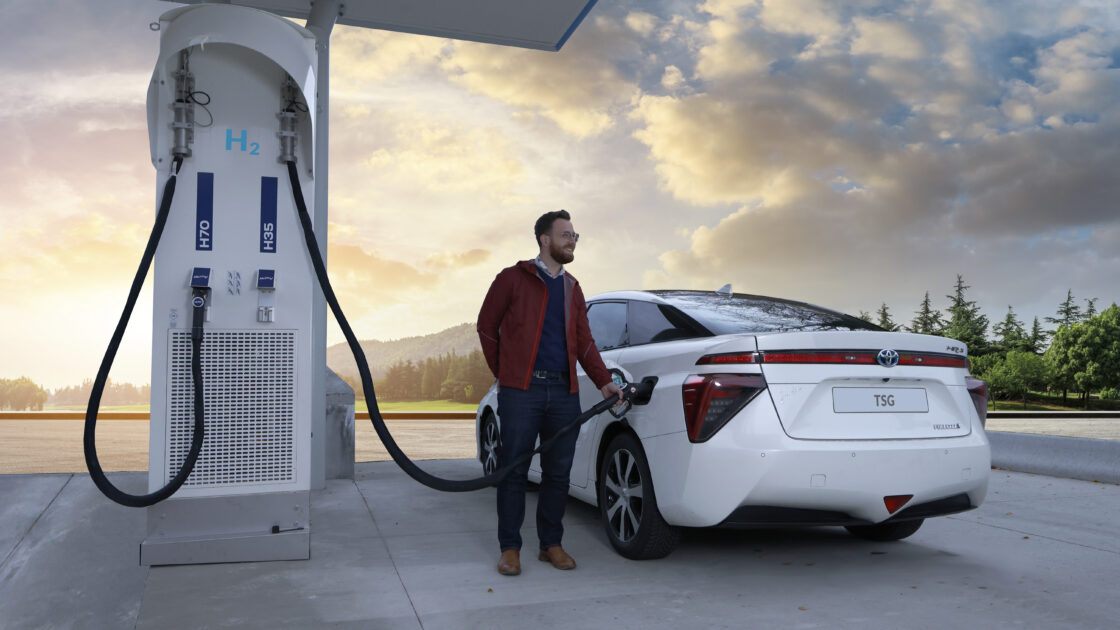
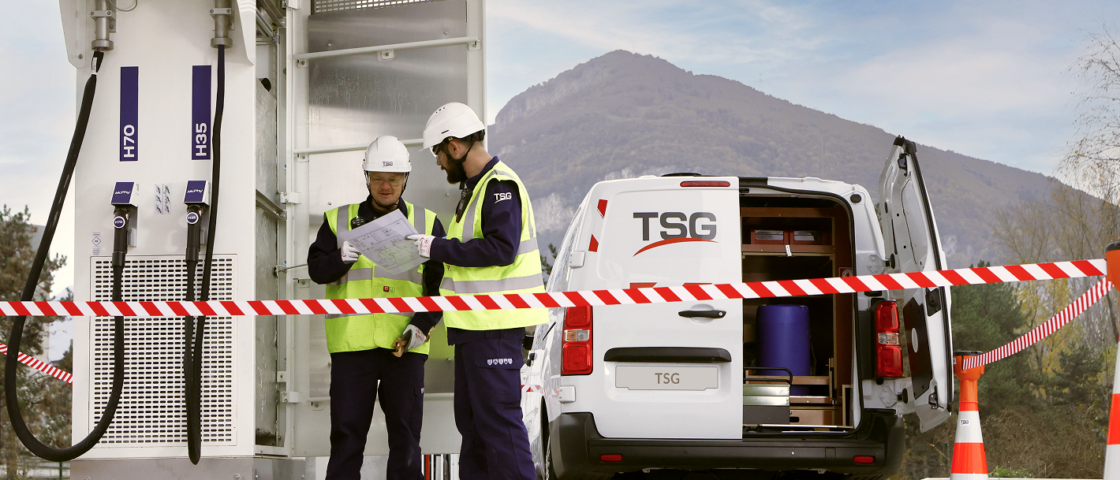
Hydrogen is also part of this gas ecosystem and more and more part of the public conversation. As a high pressure molecule (up to 700 bar), it requires purpose-built infrastructure and advanced safety engineering. While still at an early stage in its deployment, hydrogen is gaining momentum across Europe, particularly for heavy-duty and captive fleets.
Biogas: a quiet revolution within existing systems.
Perhaps the most promising evolution of all lies in the molecule itself. In France, biogas already represent 40% of injected volumes. In parts of Scandinavia, it reaches 100%. Because it relies on the same infrastructure as fossil gas, it allows operators to decarbonise without changing vehicles, routines, or refueling habits.
The quiet force of functional energy.
For cities, logistics groups or waste operators, gas technologies offer proven answers to immediate operational needs. And as the energy transition accelerates, the value of pragmatic, functional solutions only increases.
While electricity attracts increasing investment and attention, gas continues to play a crucial and complementary role in the energy mix. It answers use cases where autonomy, refueling speed or infrastructure maturity remain decisive factors. The technologies are proven, the networks exist, and the serviceability is high.