The journey of buses towards electrification.
The transformation in the public transport segment is set to continue with the backing of the European Union (EU). In December 2023, it reached the Euro 7 level, imposing stricter measures on the limits of pollutant emissions for the manufacturing of new heavy-duty vehicles. It supports the transition of buses and trucks to clean mobility.
Since April 2024, another important reinforcement was set: AFIR, the Alternative Fuels Infrastructure Regulation, now governs the implementation of new energy infrastructure in the EU. It also sets new targets for zero-emission buses.
Which buses will go electric?
Bus operators that offer public or private services are converting part of their fleets to electricity in response to stricter regulations. They are also responding to passenger demand for cleaner transport.
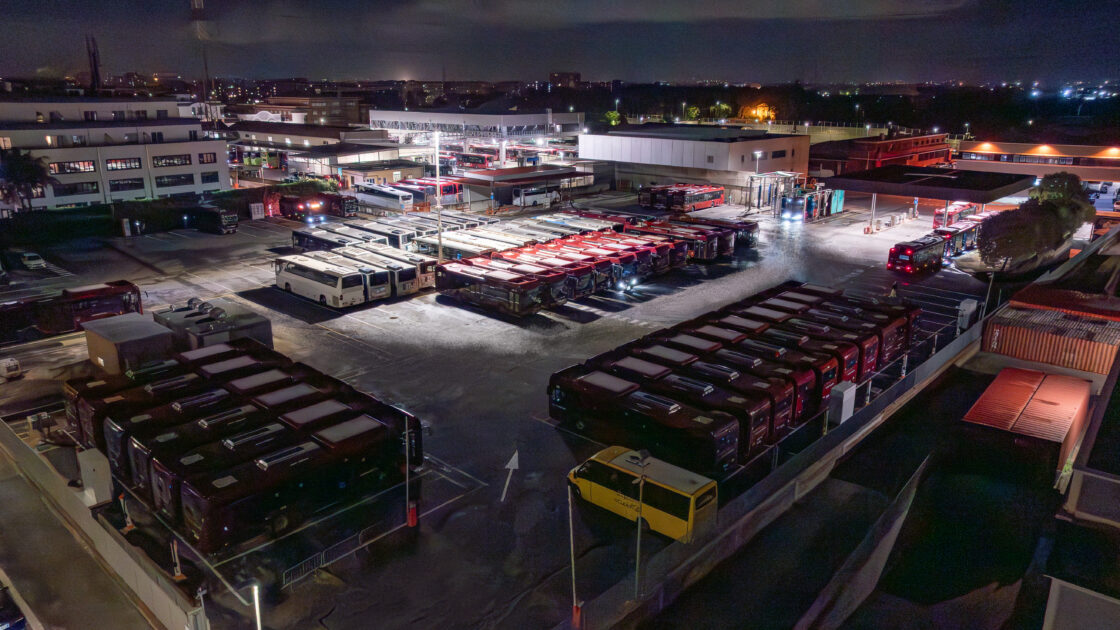
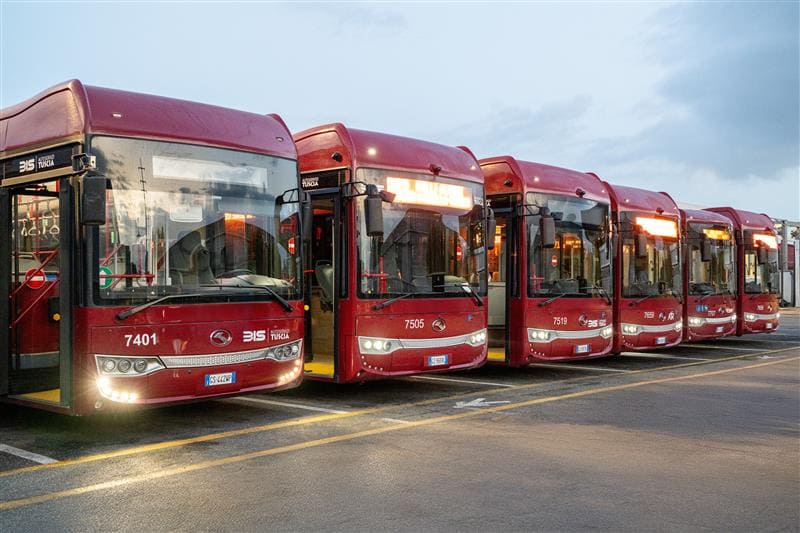
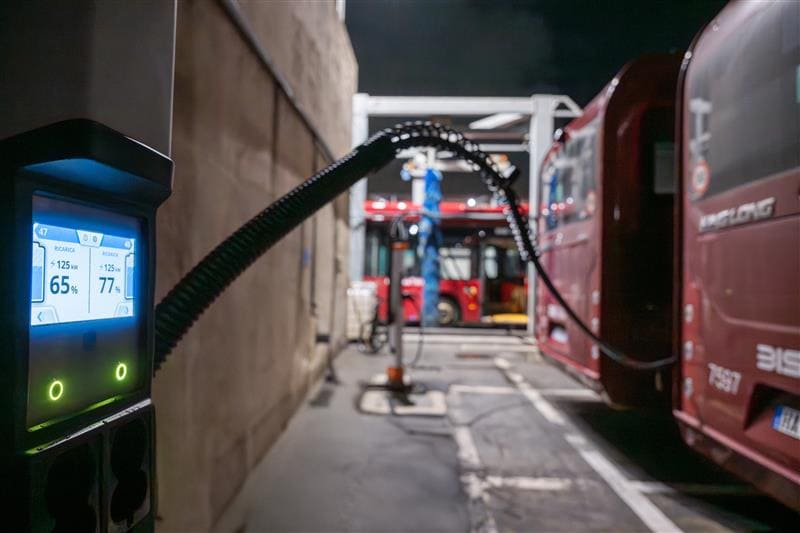
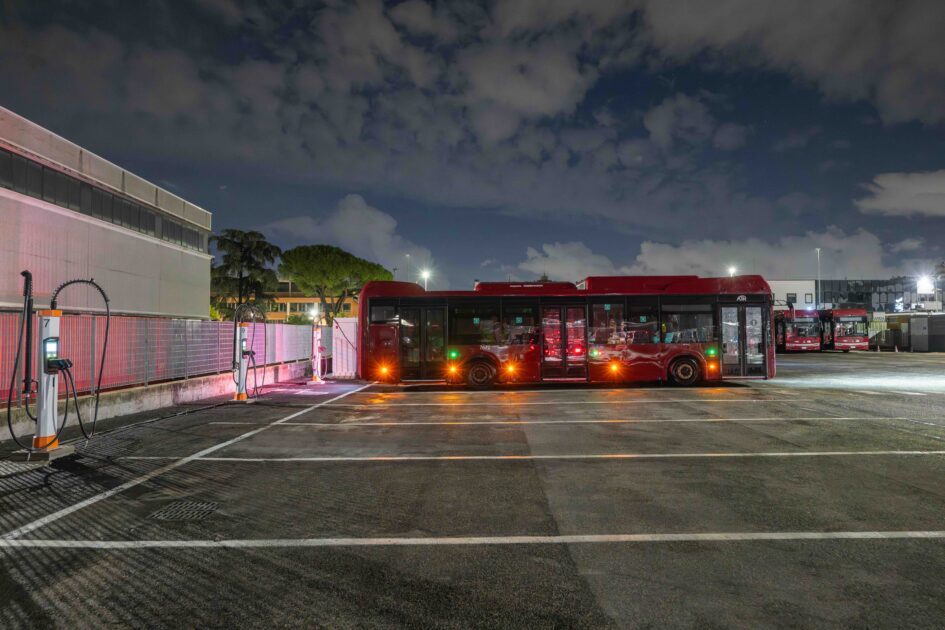
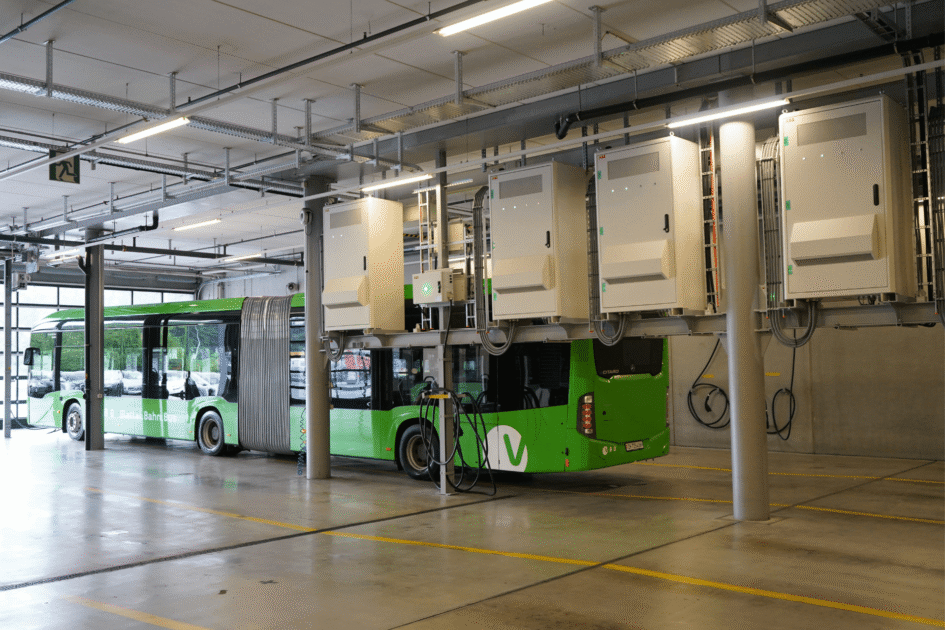
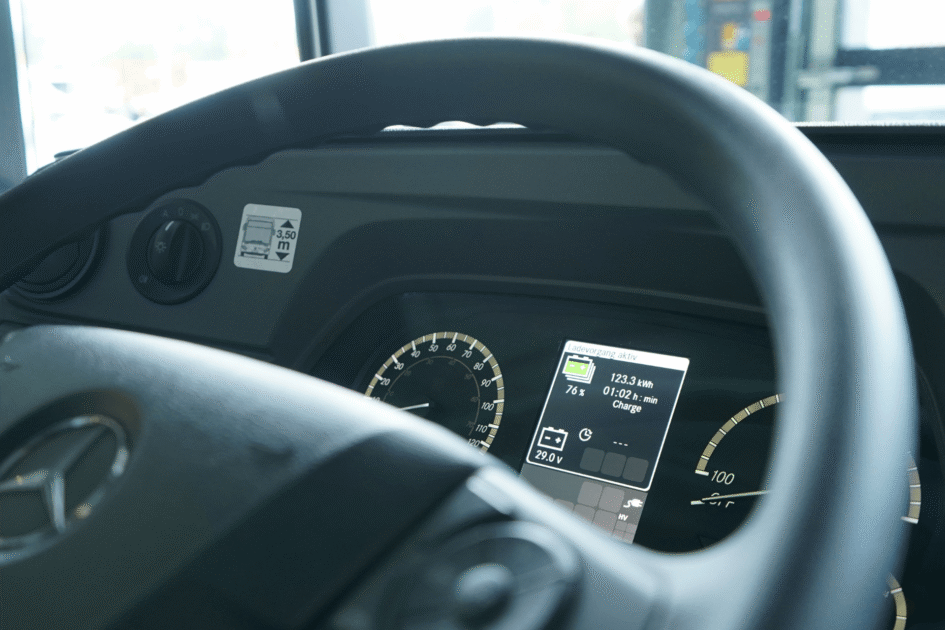
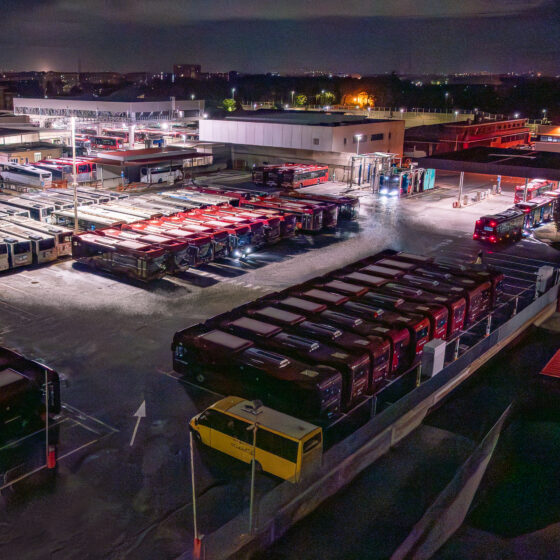
The first buses to be electrified are urban ones used for public transport in cities. This type of e-bus meets the stricter regulations on CO2 emissions in the main European municipalities. Moreover, urban buses have predictable routes. This matters because, in most cases, an overnight charge at the depot can provide them with enough energy to run for a whole day. In some situations, they can also benefit from opportunity charging with the help of pantographs. These can quickly recharge a good percentage of the bus battery in 3 to 6 minutes.
Suburban buses are also becoming electrified. Their charging process combines depot and opportunity charging with the help of pantographs or very fast chargers along the route.
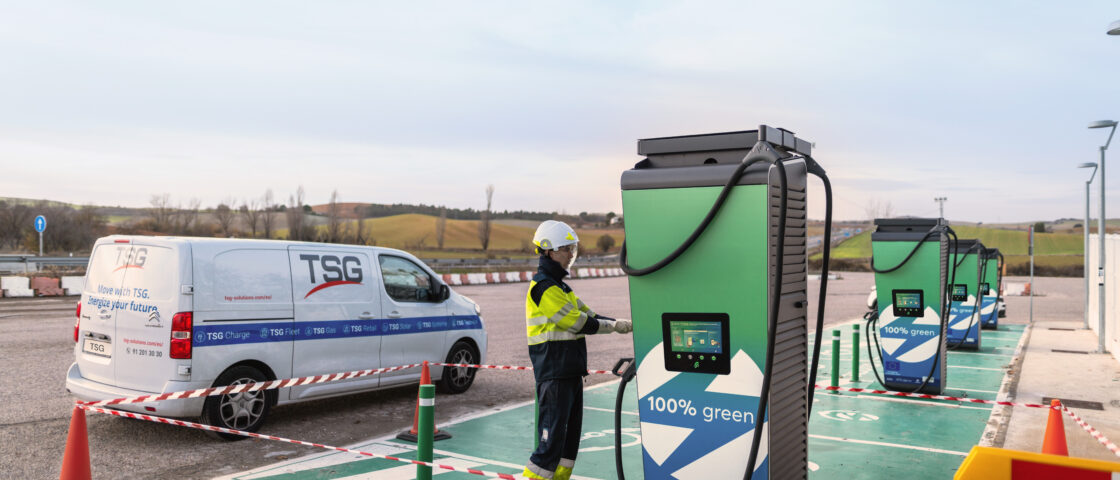
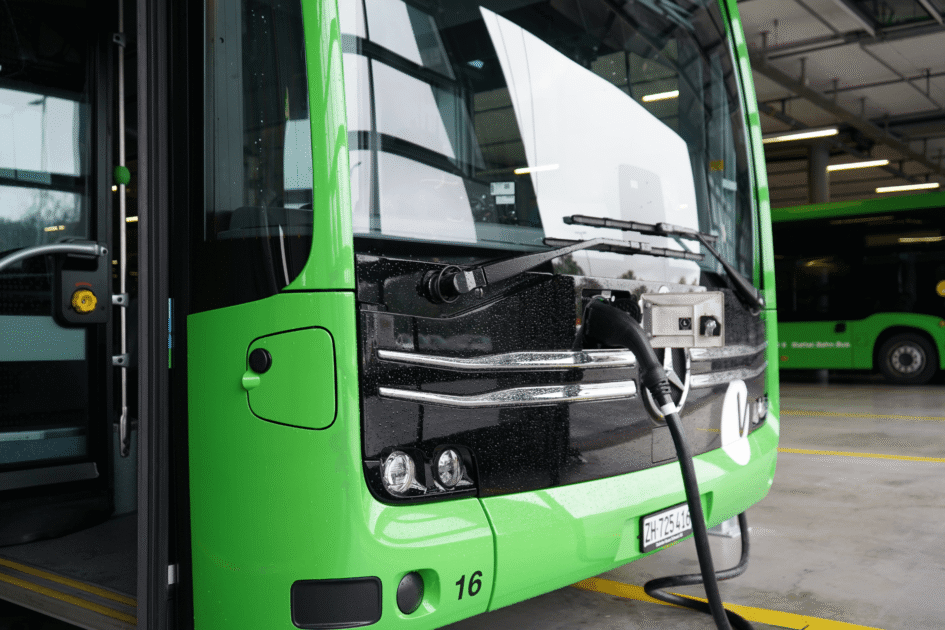
Some coaches, used for leisure and tourist activities, are also becoming electrified, providing travellers with cleaner transport options. Their charging process combines overnight charging at the depot with opportunity charging along the route, using CCS2. Multi-energy refuelling stations equipped with heavy-duty vehicle charging infrastructure and heavy-duty vehicle charging hubs will play a key role in facilitating on-route charging.
Across Europe, several public transport operators have started electrifying part of their fleets. In the United Kingdom, bus operators such as Stagecoach are already rolling out more zero-emission buses. In Italy, the city of Bologna opened the country’s first electric bus depot in March. In Germany, the national company Deutsch Bahn is using electric buses for local public transport in cities such as Frankfurt. In France, the Paris public transport is expected to add 3,500 new electric buses to its fleet.