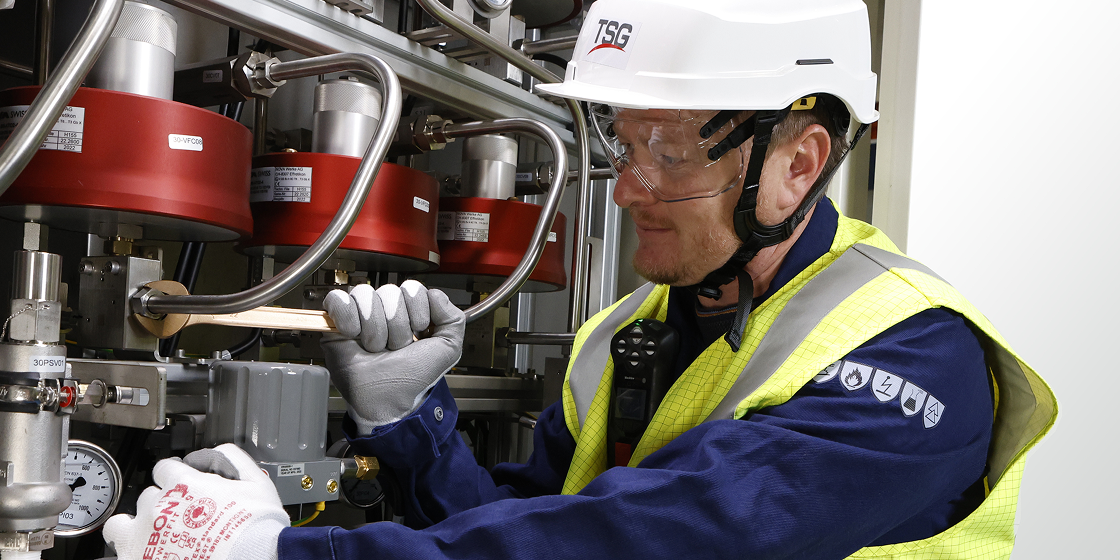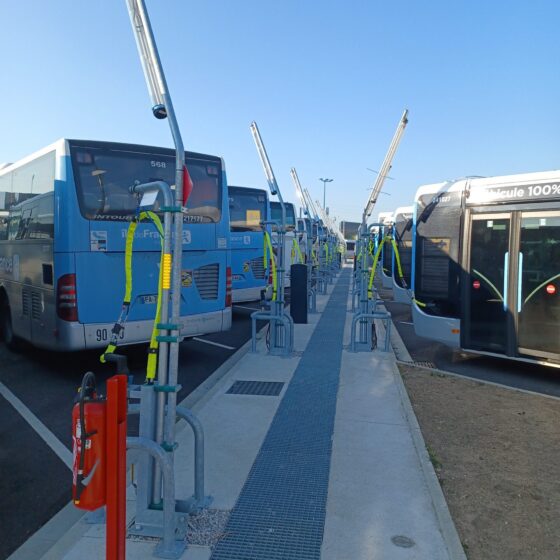
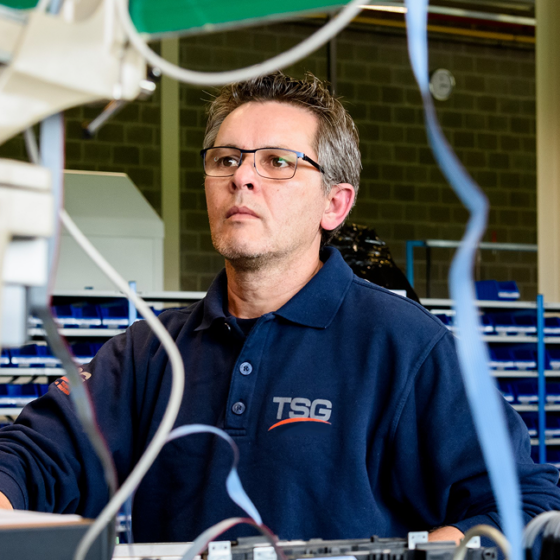

We offer a one-stop shop technical services for innovative energy and retail solutions.
Read more
Our fuel legacy helped us quickly become a leader in LNG, CNG, biogas, and hydrogen.
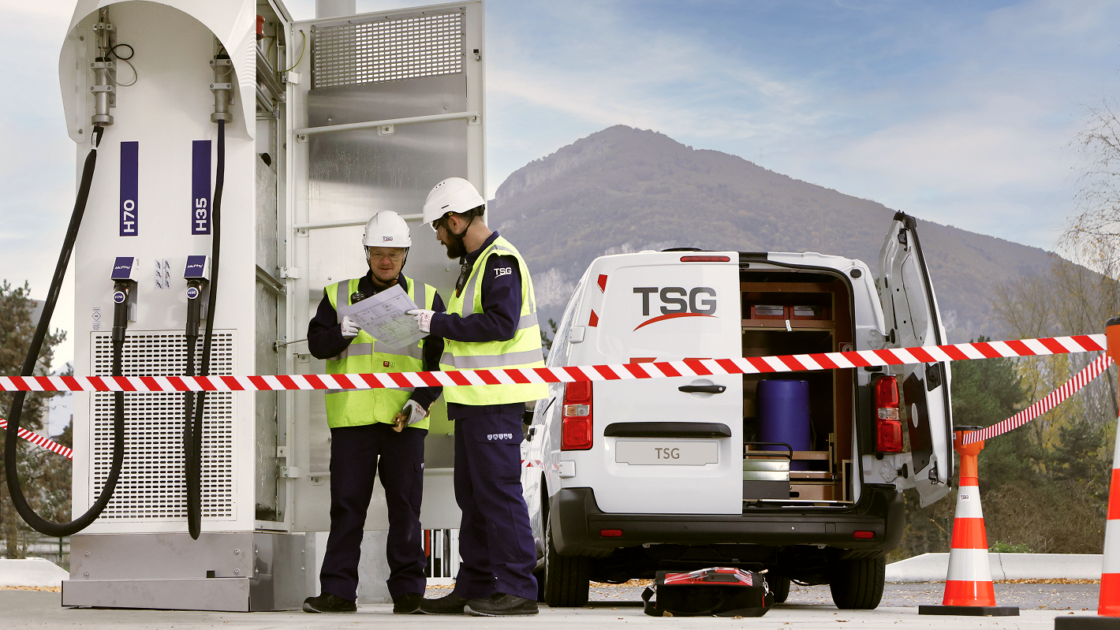
As the world is moving to sustainable mobility, gas is becoming more and more popular due to its efficiency and low emissions offering fast refuelling notably to heavy transportation, public transport and industrial needs.
TSG is the dedicated partner of choice to enable new forms of responsible mobility by every gas used, from site assessment and approvals through to the project completion and maintenance of the facility.
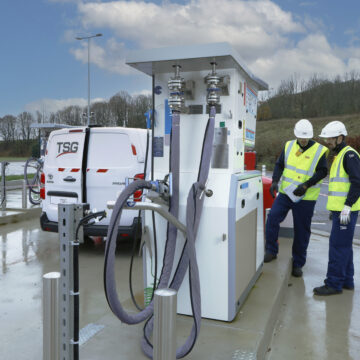
Working with our trusted industrial partners for the supply of equipment, we provide all gas solutions and services that include total project management with design, construction and maintenance for the installation of service stations, commercial fleet industry and other multi-energy stations. Our full project management service facilitates the integration of monitoring and payment systems to support any business operation, including financing options.
TSG has expertise in installing and maintaining natural gas tanks, dispensers and hydrogen stations across Europe and Africa, working with highly skilled Health, Safety, Security & Environment (HSSE) compliant teams. With our turnkey solutions, we support businesses to transition their fleets to more sustainable energy and ultimately reduce their carbon footprint.
Offer.
Natural gas.
Most people speak of “gas” as if it were a single solution. In practice, the term covers a family of molecules — each with distinct characteristics and technical implications. Compressed Natural Gas (CNG), transported via pipeline and stored on-site under pressure, is particularly suited to urban applications like city buses, refuse trucks and delivery fleets. Liquefied Natural Gas (LNG), cooled to -162°C and stored in cryogenic tanks, provides the range required for long-haul transport across areas with limited pipeline access.
Biogas.
Biogas is a renewable energy source made from organic waste, helping reduce greenhouse gas emissions and combat climate change. TSG is advancing biogas technologies for the mobility sector, offering solutions that integrate it as an alternative fuel. TSG collaborates with clients to design and implement efficient, eco-friendly biogas fueling stations, supporting sustainable vehicle operation and the circular economy.
Hydrogen.
The gases used in eco-friendly travel are constantly evolving and Hydrogen, also known as “H2”, is the latest development. Hydrogen has a higher specific energy (energy per unit mass) than conventional fuels and is considered to be environmentally friendly. TSG is at the forefront of hydrogen application in the mobility industry.
TSG Gas offers turnkey hydrogen solutions, from dispensers to control and management systems for a complete station or a network of stations. TSG Gas is the preferred partner for total project management including the provision of equipment, preparatory works, civils, commissioning and training.
We offer gas solutions for B2B market segment.
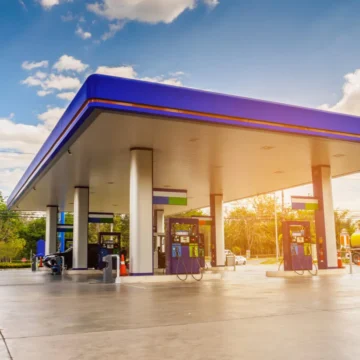
Service stations.
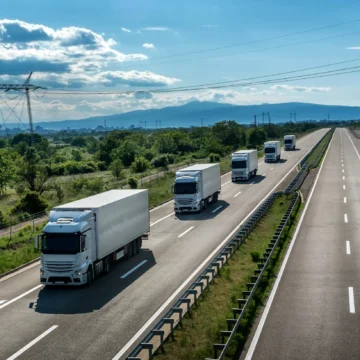
Logistics and own transport.
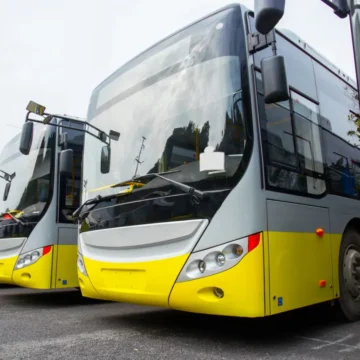
Bus, Train & Taxi operators.
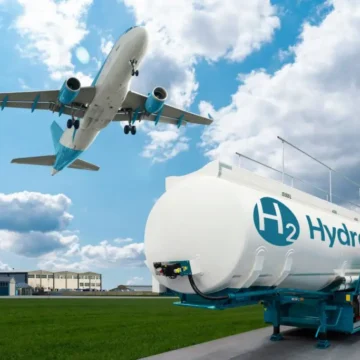
Aviation.

Car, Truck dealership & OEM.
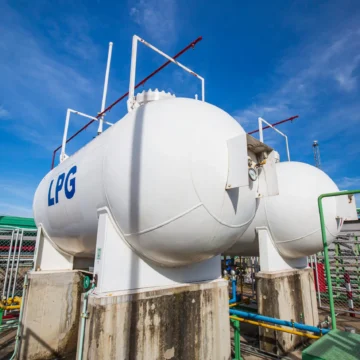
Industrial.
Solutions.
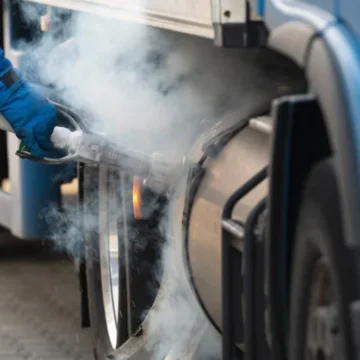
Gas solutions.
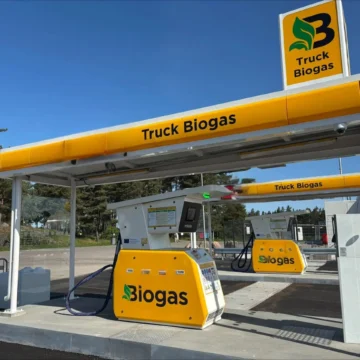
Biogas.
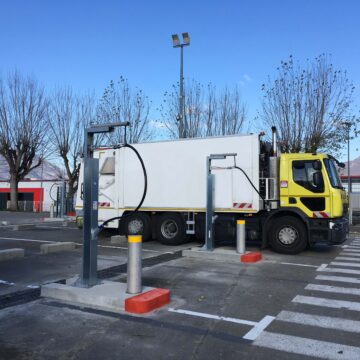
Fleet depot management.
Forecourt management.

Expertise in selecting the best partners.
Consulting and support services.