Fuel
TSG Fuel.

Many new consumer offerings, beyond refueling.
Explore

At TSG, we are driving the shift from traditional energy to low-emission and renewable energy solutions. As a European leader in multi-energy distribution, we offer a comprehensive range of products and services designed to optimize fuel management, improve operational efficiency, and support sustainable mobility for businesses of all sizes.

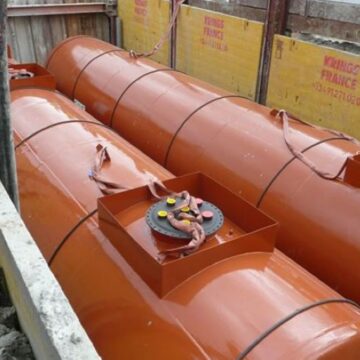
Our solutions include the design, supply, and installation of above-ground and below-ground storage tanks, fuel dispensing equipment, and systems for payment and automatic tank gauging. We provide a one-stop service for companies modernizing their fuel infrastructure with a focus on environmental responsibility.

We are at the forefront of renewable fuel adoption, offering HVO, biofuels (biodiesel and bioethanol), and e-fuels to help businesses reduce carbon emissions and meet sustainability goals. TSG plays a key role in supporting mobility hubs, all fleet operators and public actors and infrastructurs as they integrate low-emission fuels into their operations, furthering eco-friendly local deliveries and reducing their carbon footprint.

TSG Fuel is committed to helping businesses transition to a more sustainable future while optimizing their existing infrastructure.

40.000+
Stations under direct service.
10.000+
Private fleet depots under service.
3.600+
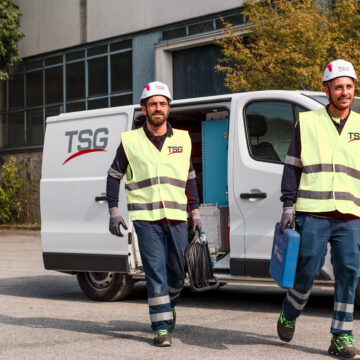
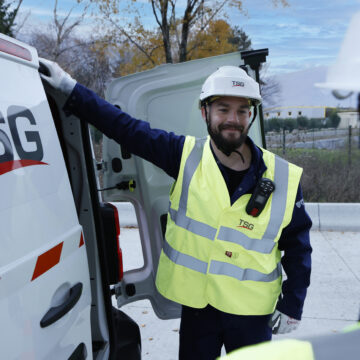
Technicians on sites.
2.000+
Total number of people trained on technical.

Services.

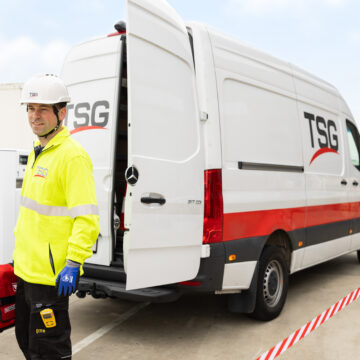
We are a 24/7 full-service provider.

TSG is here to help and advise operators every step of the way, providing a solution that will suit any operation.

TSG can supply and install the equipment and create the infrastructure to support business growth.

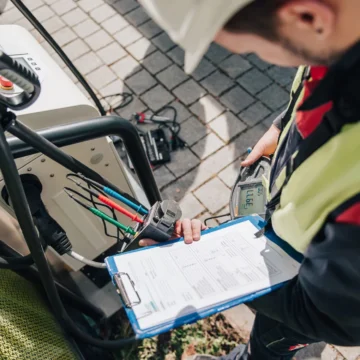
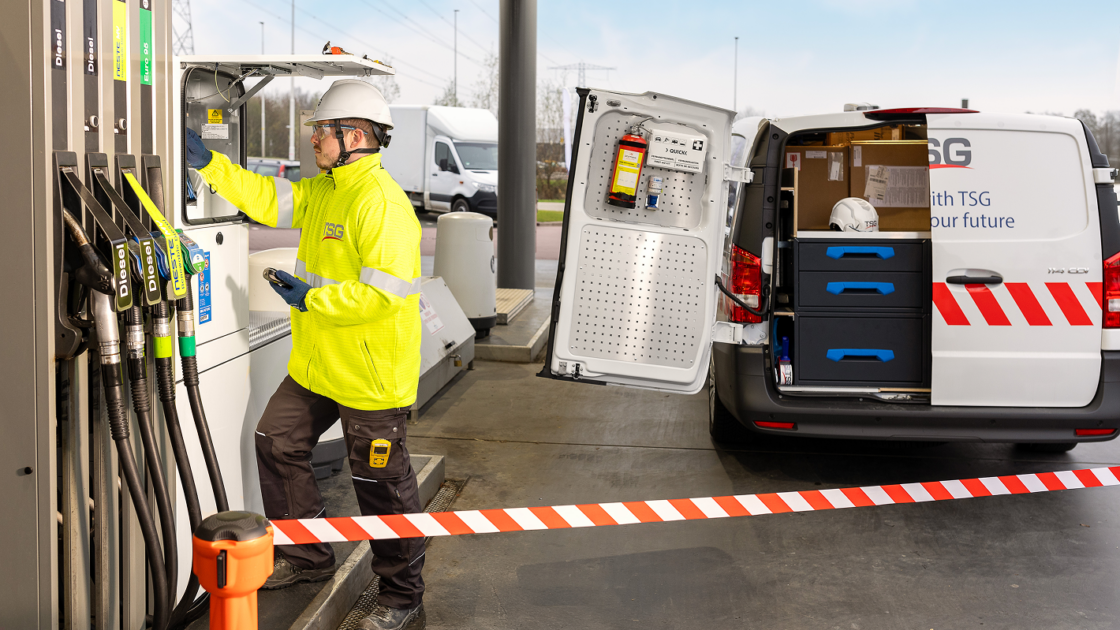
TSG’s service and maintenance solutions ensure maximum uptime for all forecourt equipment, remove operational challenges and keep businesses compliant.

Frequently Asked Questions.

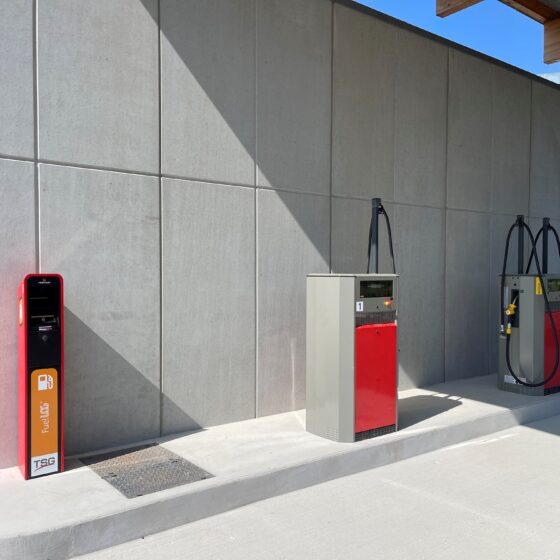
Installing fuel dispensers requires proper infrastructure and utilities to ensure safety, efficiency, and compliance:

  • Foundation: Reinforced concrete base with drainage for spill control.
  • Fuel Lines: Double-walled underground piping with isolation valves.
  • Containment System: Installation of Tank Sump and Dispenser Sump to ensure full capture of any potential leaks at connection points.
  • Electrical Setup: Dedicated power supply, explosion-proof wiring, grounding, and emergency shut-off switches.
  • Control Systems: POS integration, data cables, and networking for monitoring.
  • Safety Measures: Fire extinguishers, spill kits, and compliance with local regulations (ATEX, NFPA, etc.).
  • Utilities: Reliable electricity and adequate lighting; optional air and water points for customer convenience.

Installing fuel systems involves strict compliance with safety and environmental standards:

  • Environmental Protection
    • Leak detection, containment system and corrosion protection for underground tanks.
    • Spill and overfill prevention systems.
    • Vapor recovery systems to reduce emissions.
  • Safety & Fire Codes
    • Compliance with international and national standards for hazardous areas.
    • Explosion-proof electrical equipment and proper grounding.
    • Emergency shut-off and fire suppression measures.
  • Permits & Documentation
    • Site plans and installation permits from local authorities.
    • Spill prevention, control, and countermeasure plans for large storage capacities.
    • Regular inspection, testing, and recordkeeping.
  • Operator Training & Compliance
    • Certified personnel for operation and maintenance.
    • Adherence to local and international standards (EPA, EN, UL).

A standard fuel dispenser can typically handle these fuel types:

  • Gasoline – Regular, mid-grade, and premium.
  • Diesel – For cars, trucks, and heavy equipment.
  • HVO – Hydrotreated Vegetable Oil, a renewable diesel alternative made by hydrotreating vegetable oils, animal fats, or waste oils.
  • Ethanol Blends – Such as E10 or E85 (depending on dispenser compatibility).
  • Biodiesel Blends – Commonly B5 to B20.

Special fuels and other liquids:

  • Kerosene (jet fuel) – Is lighter than gasoline and has a higher flame point asking for some modifications of the standard fuel dispenser also pending local legislation (seals, hoses, gaskets).
  • AdBlue – AdBlue is in fact not a fuel, it is an additive injected in the diesel exhaust system to reduce emissions. It is highly corrosive asking for the use of corrosive resistant materials. It also freezes at -11 degrees Celsius often asking for heating.

Installation Costs

  • Equipment: Fuel dispensers, pumps, valves, piping, sumps and safety systems.
  • Civil Works: Concrete islands, drainage, oil-water separators and site preparation.
  • Electrical & Control Systems: Explosion-proof wiring, grounding, POS integration.
  • Permits & Compliance: Local authority approvals and environmental assessments.

Ongoing Maintenance Costs

  • Routine Servicing: Calibration, filter changes, leak checks.
  • Repairs & Parts: Nozzles, hoses, meters, electronics.
  • Compliance Testing: Annual inspections, leak detection, safety checks.

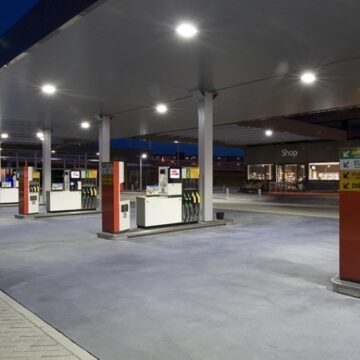
Retail Dispensers (Public Use)

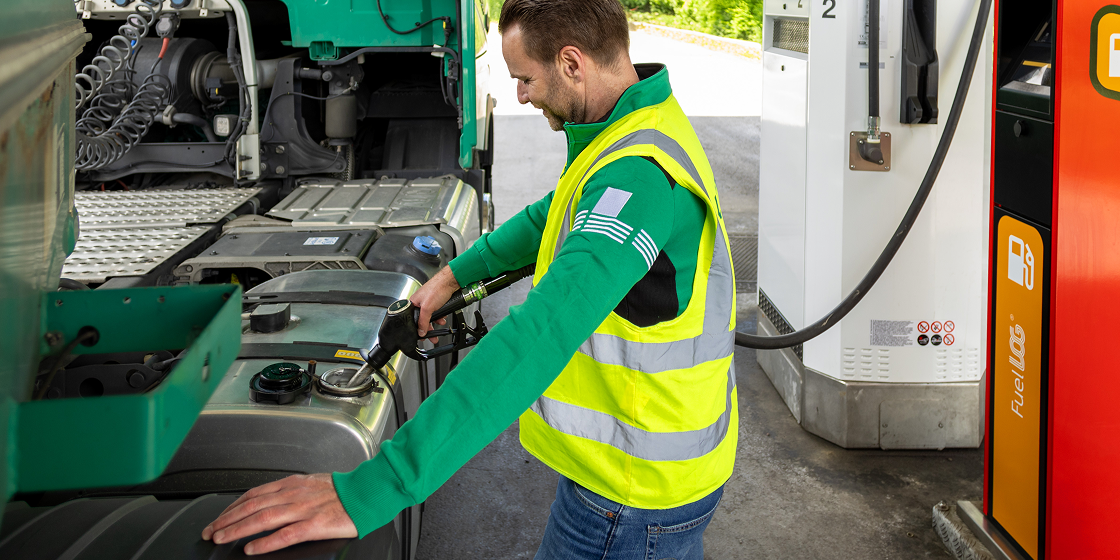
  • Designed for high-volume, multi-user environments like fuel stations where end-users / visitors are customers.
  • Integrated with payment systems (card readers, POS terminals).
  • Supports multiple fuel grades (gasoline, diesel, premium).
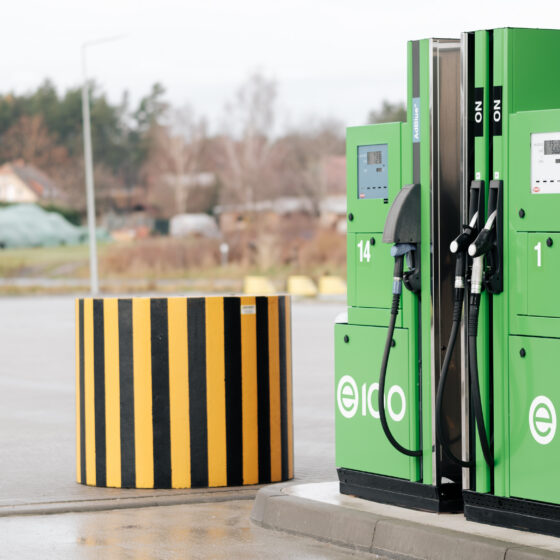
  • Often equipped with hose retractor system for a clean forecourt and reduced risk of hose tangling.
  • Enhanced branding and customer interface with digital displays.
  • Complies with weights & measures regulations for public transactions (MID).
  • Price display mandatory.

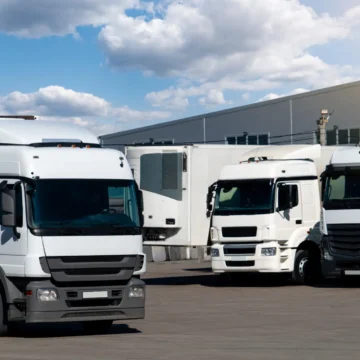
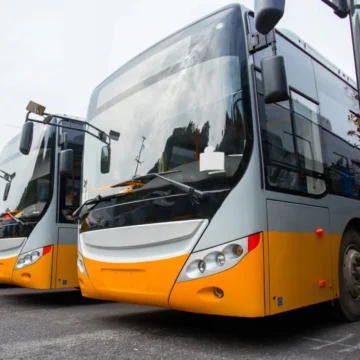
Fleet Dispensers (Private Use)

  • Installed at company depots or private yards for internal fueling where end-users are normally employees.
  • No payment systems – uses access control (manual: PIN, RFID, key cards, barcode, automatic: ANPR, MAC-ID).
  • Focused on fuel management and reporting for fleet efficiency.
  • Typically simpler design, lower cost, and fewer fuel grades (diesel and Adblue).
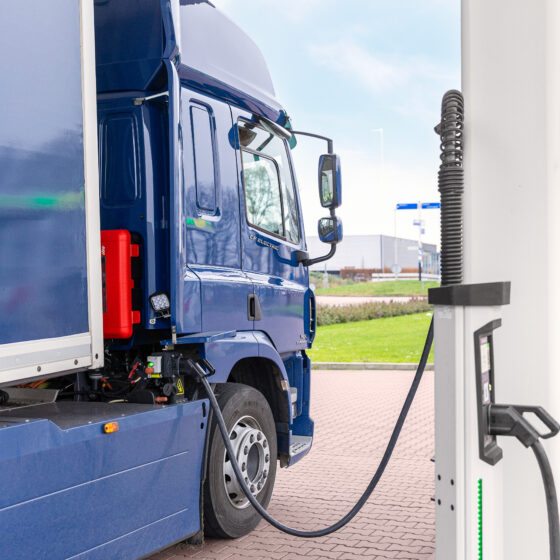
  • Very often equipped with long hoses without hose retractor mechanism for easy fueling of different types of vehicles (trucks, buses, cars, vans).
  • Optimized for controlled access and cost tracking.
  • Optionally complies with weights & measures regulations for public transactions (MID) when selling to a neighbour.
  • Price display as option.

Why choose TSG?

We offer a one-stop shop technical services for innovative energy and retail solutions.